



🗓️ How to Get Through the Darkness Without Falling Into Winter Blues: Hygge and Lagom the Swedish Way
🌘 Winter in Sweden without panic: why darkness is normal
The first surprise for many first‑time visitors to Scandinavia isn’t the cold, but how early it gets dark. Your brain reacts honestly to the lack of daylight, so tiredness and a touch of low mood during the first days in Sweden can happen to anyone. The good news is that you can offset it gently with small habits, not sheer willpower.
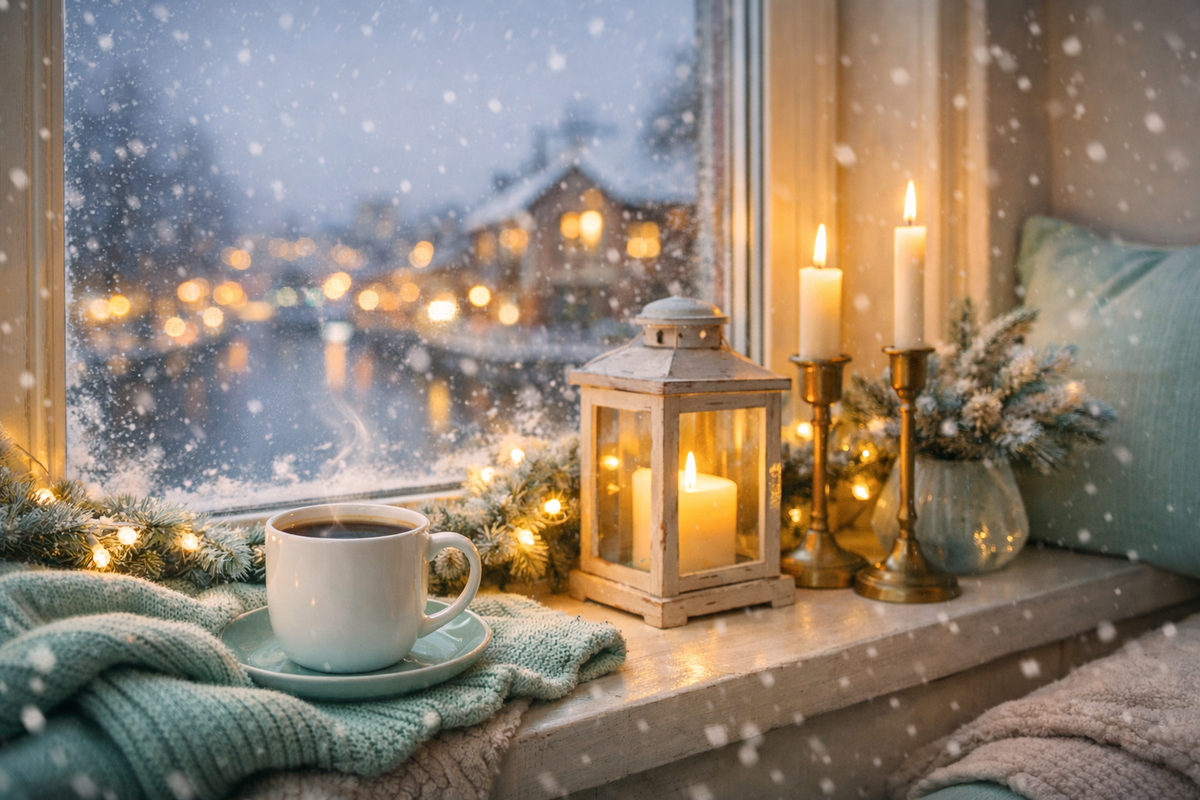
🫶 Realistic expectations instead of “something is wrong with me”
Scandinavians don’t try to “defeat” winter, they learn to live inside it. Hygge, lagom, and Swedish mys act like a set of small supports that keep your mood steadier. If you live here year‑round, these supports help you move through the season without burnout.
When you travel, it’s smart to plan more pauses and warmth than you would in summer. Leave your evenings free from rushing between attractions so you can actually feel the city and its rhythm. Then winter in Sweden stops feeling like a test and becomes its own beautiful way to travel.
- Get daylight for at least 20 minutes.
- Find a cozy café for your first fika and don’t rush it.
- Plan a warm evening: shower, candles, a book, or a calm film.
🌗 Where it feels darkest: Stockholm, southern Sweden, and the north
In December, the short daylight hours feel different depending on latitude. In Stockholm you can still fit in a walk and a museum, while in northern Sweden it gets dark earlier and you’ll rely more on a “plan built around daylight.” If you’re visiting Scandinavia in winter for the first time, it can be easier to start with the capital or the south and save the far north for a dedicated trip.
🕒 The golden daylight window and a calmer pace
The brightest part of the day is usually late morning into early afternoon, so put your key walks there. Tours and viewpoints look better in daylight, while cafés, shopping, and museums work perfectly after sunset. This rhythm reduces fatigue and helps you avoid winter blues by day three.
If you live in Scandinavia, it helps to redesign your schedule instead of blaming yourself for “lazy” evenings. Meetings, workouts, and important tasks often go better earlier, when energy is higher. Then you can leave evenings for mys, quiet hobbies, and recovery.
🕯️ Hygge and lagom, Swedish‑style: what mys looks like in real life
Many travelers come looking for Danish hygge, but in Sweden you’ll more often hear mys and live by lagom. It’s about comfort that doesn’t require a perfect aesthetic or big spending, especially in winter. For visitors, mys is permission to slow down and enjoy simple things.
🍂 Atmosphere, action, and balance
Think of hygge as a mood, while mys is something you actively do right now. Lagom adds the Swedish measure: not too many plans, not too little movement—“just right.” Together, they turn darkness into a backdrop for warmth, not a reason to feel down.
Try choosing one small ritual for each evening and repeating it without guilt. It can be a candle by the window, hot tea, journaling, or calm music while snow falls outside. After a couple of days your brain starts expecting that moment, and winter becomes easier to navigate.
- mys
- Cozy action in the moment: candles, tea, quiet.
- fika
- A coffee break with something sweet and human connection.
- lagom
- “Just enough” balance: no overload, no emptiness.
💡 Light vs. winter blues: a simple kit that works
If the darkness feels heavy, start with light—not motivation. Even a short daytime walk and brighter indoor lighting can noticeably shift how you feel. In Scandinavia, this isn’t a luxury; it’s basic winter hygiene.
🔆 Light therapy and evening habits, without going extreme
Many residents use light therapy lamps, but it’s better to treat them as a tool, not magic. It also helps to reduce late‑night screen time and keep at least 30 quiet minutes before sleep. If you have persistent fatigue or strong anxiety, it’s safer to discuss options with a professional.
While traveling, the easiest rule is “light plus movement”: go outside during the brightest hours and walk briskly. In your hotel, make warm light your default and use harsher overhead light mainly in the morning. This helps you adapt faster and feel less “foggy” in the evenings.
- Get outside during the brightest hours, even briefly.
- Use warm lighting in the evening; keep overhead light minimal.
- End the day calmly without scrolling in bed.
- Keep bedtime roughly consistent, especially when traveling.
☕ Fika in Sweden: a delicious pause that protects your mood
Fika in Sweden isn’t just coffee—it’s a small pause that supports your mood and your connection to people. For visitors, fika is a perfect way to warm up, slow down, and see the city from the inside. For Scandinavia residents, it’s a practical anti‑stress habit you can easily bring back into your week.
🥐 How to build fika into a winter day
Start with the classic: a kanelbulle, coffee, or hot chocolate—and don’t eat it on the go. Sit by a window, watch the street, and let your brain switch from tasks to senses. That simple step often helps more than another hour in a mall.
If you want a hygge effect, add one tiny intention to fika, like reading a few pages or writing a mini plan for your day. Then the break stops being random and becomes a Swedish‑style anchor, in the spirit of lagom. In the evening you can repeat it at home as mys, without pressure.
❄️ Movement and nature: the fastest way to enjoy Scandinavian winter
Winter in Sweden can feel quiet, but movement is what keeps you from getting stuck in the dark. A short walk along a waterfront, through a park, or on a forest trail is often enough to “switch on” your body and mood. For travelers it brings energy back into the day, and for residents it restores a sense of control over the season.
🧥 The secret is layers and warm stops
Winter activities become genuinely enjoyable when you dress in layers and don’t freeze while standing still. A base layer keeps you dry, a mid layer keeps you warm, and an outer layer blocks wind and wet snow. This simple comfort math works in Stockholm and in northern Sweden alike.
Plan a “warm stop” in advance: a café, a library, a spa, or any place where you can heat up. Then a walk stops being a challenge and becomes a route with rewards. That’s how many people avoid winter blues without heroics—just smart design.
✨ Social warmth: Lucia, lights, and the feeling of “we’re in this together”
In Swedish winter you really notice how people create light themselves. Street lights, candles in windows, and seasonal traditions add a shared rhythm to the dark months. For first‑time visitors, it’s a fast way to feel less alone in the season.
🎄 How to catch winter atmosphere on a short trip
Lucia celebrations and winter markets often bring families and friends together, and the atmosphere is genuinely warm. Even if you don’t know every tradition, it’s enough to show up, taste seasonal treats, and listen to music. One evening like that can feel like a soft reset after a grey day.
If you live in Scandinavia, it helps to plan small meetups instead of rare big events. Tea with a friend or a short walk together beats sitting alone at home. Social warmth is as much a part of hygge and mys as candles and blankets.
- A short walk among lights and shop windows, no rush.
- Fika or a warm drink to heat up and breathe out.
- Home for mys: candles, quiet, a book, or calm music.
🧭 Mini guide: where to go in Sweden in winter and what to pack
If you’re visiting Scandinavia in winter for the first time, choose a route that includes a city, nature, and warm pauses. Stockholm is great for museums and evening lights, the west coast is ideal for cozy neighborhoods and sea air, and northern Sweden offers snow and a chance to see the Northern Lights. The key is not trying to do everything, but building a trip in a lagom way.
🗺️ A Plan B and a checklist that truly helps
Bring comfortable boots with solid grip, thermal base layers, and thin gloves that still let you use your phone and camera. Add a small thermos, lip balm, and an extra pair of socks because comfort matters more than the number of locations. And leave space for fika and an early return if the day feels heavy.
Make a simple Plan B for every day: one warm place, one short walk, and one indoor activity. Then wind and snow won’t ruin your trip—they’ll just set a different mood. With that approach, winter in Sweden feels friendly for both travelers and locals.
Stockholm: city + lights
West coast: a calmer pace
The north: snow + a chance for aurora

0 comments
Log in to leave a comment