


🎅 Trip budget: how much does it cost to spend Christmas and New Year in Sweden
🎄 Why the holidays in Sweden feel expensive — and still totally doable
Christmas in Sweden and New Year’s in Sweden are all about lights, candles in windows, and that calm Scandinavian coziness. Yes, during the festive peak, prices in Sweden jump noticeably, especially for accommodation and transport. But once you understand the main cost buckets, your budget becomes predictable and easy to manage.
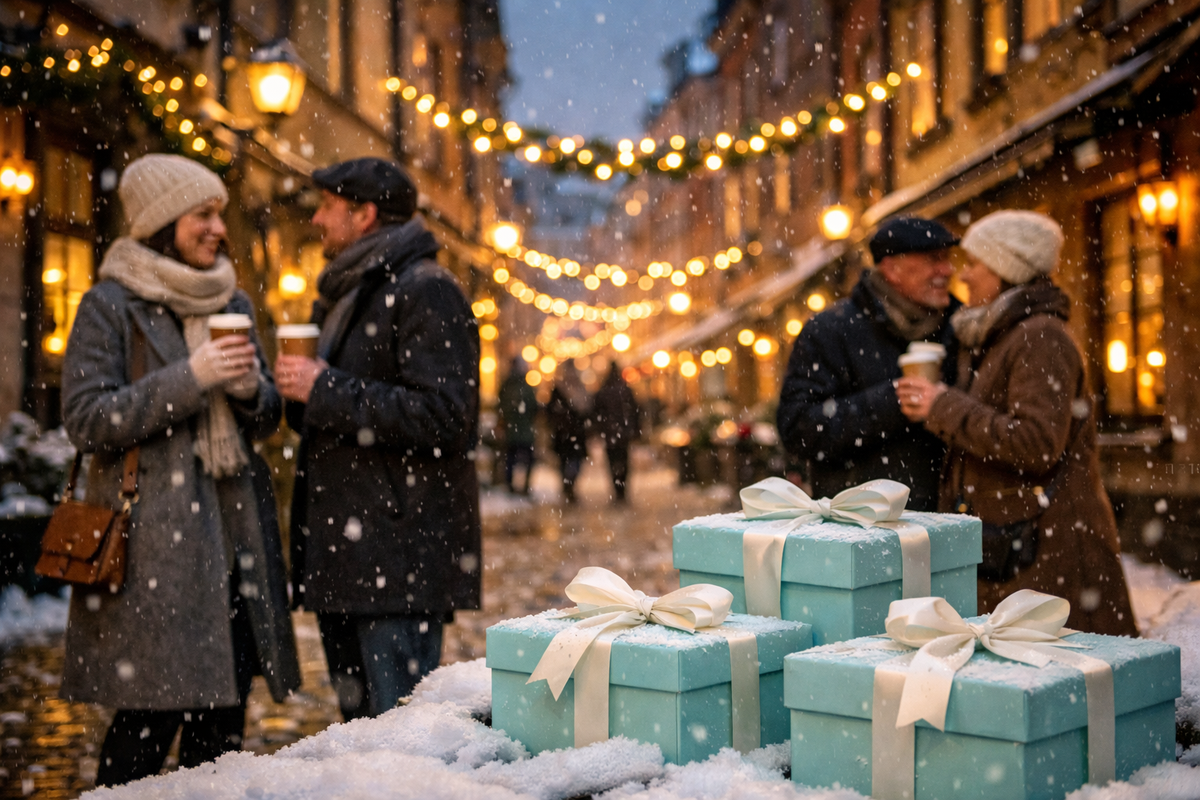
This guide is for anyone planning their first winter trip to Scandinavia and wanting to avoid overpaying. It’s also useful for Scandinavia-based travelers who are thinking about a quick winter weekend across the border. We’ll use Swedish kronor (SEK) as simple reference points and show where you can save without losing the holiday vibe.
The core rule is simple: lock in transport and accommodation first, then calculate the rest “per day.” That way you won’t end up with only pricey leftovers when the best options are gone. And you’ll keep money reserved for experiences instead of stress.
Stockholm is usually pricier, while smaller towns can feel calmer and cheaper.
Prices peak around Dec 24–26 and Dec 31, shifting by 1–2 days often helps.
One “wow” evening + simple days gives both savings and atmosphere.
🗓️ When it’s cheaper: dates that truly change the price
If you’re calculating a winter travel budget for Sweden, start with the dates. The hottest period is usually Dec 23–26 and Dec 30–Jan 2. During these windows, accommodation and tickets tend to rise fastest because demand spikes.
✨ How to pick dates that fit your rhythm and logistics
If you have flexibility, avoid weekend arrivals and evening peaks. Shifting your trip by just one or two days can reduce costs more than any “discount code” ever will. The days between holidays can be a sweet spot: the city is still magical, but the rush is softer.
For Scandinavia residents, it helps to watch school holidays and regional travel waves. When several countries have the same time off, not only hotels but also cross-border routes get more expensive. Booking with free cancellation lets you compare a couple of scenarios without pressure.
Dec 23–26 and Dec 30–Jan 2, accommodation and transport jump fastest.
Dec 18–22 and Dec 27–29, often the best mix of price and atmosphere.
Early December and the first days of January, more chances for good deals.
💳 What your budget is made of: 5 key spending buckets
To estimate how much a winter trip to Sweden costs, it helps to split expenses into clear buckets. Think: getting there, accommodation, local transport, food, and experiences. During the holidays, accommodation and intercity tickets are usually what “take off,” so those come first.
✨ Where extra costs usually hide
Accommodation gets cheaper if you look near metro lines or in well-connected suburbs. Food stays manageable if you mix supermarket meals with cozy fika, and keep restaurants for one special evening. For activities, a good rule is “one paid wow-moment, the rest free or low-cost.”
Also set a separate line for gifts, Christmas markets, and spontaneous small buys. Each purchase is small, but together they can become a real number. A simple spending cap makes shopping feel lighter and more intentional.
✈️ Getting there
Flight, train, or ferry, plus transfer to your accommodation.
book early🏠 Accommodation
Hostel, hotel, apartment, or a countryside stuga cabin.
biggest price driver🚇 Local transport
Day passes, commuter trains, and intercity routes.
look for passes🥐 Food
Supermarket meals + fika, plus one festive dinner.
easy to control⛸️ Experiences
Museums, skating, spa, tours, and winter activities.
pick 1–2 daily🧾 Budget scenarios: four simple options in SEK
Here are quick reference points if you’re wondering how much money to bring to Sweden in winter. These ranges depend on the city, your exact dates, and how early you book. It’s easiest to calculate in SEK and add a 10–15% buffer for holiday surcharges.
✨ Choosing the right scenario for your travel style
The “budget” option works well for solo travelers and anyone who values walks and markets over hotels. The “comfort” option adds personal space, a couple of restaurant meals, and a smoother pace. Families often do best with an apartment, because a kitchen can cut food costs dramatically.
For Scandinavia-based travelers, a separate format is a short 2–3 night getaway with minimal moving around. It’s the easiest way to get the atmosphere without spending heavily on transfers. In many cases, one “main evening” with julmarknad, glögg, and fika is enough to make it feel festive.
💡 Budget
≈ 900–1500 SEK / day
Hostel, travel pass, supermarket meals, one paid activity every other day.
🧣 Comfort
≈ 1700–2800 SEK / day
Private room, cafés, 1–2 restaurant meals, museums or a tour.
👨👩👧 Family
≈ 3800–6000 SEK / day (family total)
Apartment with kitchen, simple transport, kid-friendly activities at an easy pace.
🚆 Scandi weekend
≈ 3500–7500 SEK / trip
2–3 nights, minimal transfers, markets, fika, and one “main evening.”
❄️ How to save in Sweden and still feel the holiday magic
Saving money in Sweden works best when you decide in advance what you’re happy to pay for. The real holiday feeling comes from walks, lights, and small rituals like fika, not from nonstop shopping. Even in peak season, you can keep your trip warm and joyful without blowing your budget.
✨ Small habits that make the biggest difference
Book early and always check nearby dates, because the price gap can be surprisingly big. Make breakfast at your place and keep one meal a day “simple” with supermarket food to protect your budget. Turn your restaurant night into an event, like julbord, instead of repeating it every day.
Collect experiences through free things Sweden does brilliantly in winter. That can be a walk through the light displays, a julmarknad visit, or a city skating rink. Then add one paid “wow” activity per day to balance savings and memories.
- 1
Shift dates by 1–2 days and compare prices across nearby nights.
- 2
Stay near good public transport instead of paying for the perfect center.
- 3
Mix supermarket meals + fika, and keep restaurants for one “main evening.”
- 4
Combine free highlights with one paid “wow” activity per day.
- 5
Set a clear cap for gifts and souvenirs so spending doesn’t run away.
🧭 Where to go: cities and regions for different budgets
Your destination choice strongly affects how expensive New Year’s in Sweden will be. New Year’s in Stockholm usually means a higher accommodation budget, but you get the highest concentration of places to see. Gothenburg and Malmö are often easier for short trips and can feel friendlier for logistics.
✨ A quick pick based on your mood
Stockholm is perfect if you want museums, an old town feel, and plenty of evening lights. Gothenburg is loved for its cozy pace, cafés, and “festive without the rush” vibe. Malmö works well if you’re arriving by train and want a smooth, simple city break.
If you want postcard Sweden, consider smaller towns and nature-focused regions. For strong winter thrills, many travelers head north for snow activities and a chance at the Northern Lights. Just remember that the journey itself often increases the overall budget.
🏙️ Stockholm big-city sparkle, higher accommodation budget
- Budget focus: accommodation and bookings for popular spots.
- Best approach: one “main evening” and simple days around it.
🌉 Gothenburg cozy pace, often easier to stay on budget
- Budget focus: plan restaurants selectively.
- Best approach: a pass + walks + skating or spa as your “wow.”
🚆 Malmö smooth logistics for short trips and mixed routes
- Budget focus: fewer transfer and taxi costs.
- Best approach: markets, fika, and neighborhood strolls.
🌌 The North & Lapland pricier to reach, bigger “winter wow”
- Budget focus: transport and winter activities, book early.
- Best approach: fewer days, more meaningful experiences.
🧤 What first-timers should know about winter in Scandinavia
Your first winter visit to Sweden is easier when you embrace the local pace. Daylight is shorter, so plan your main walks around midday. Dressing in layers and wearing truly waterproof shoes will bring more joy than “enduring the cold for photos.”
✨ Practical notes about schedules and a calm Plan B
During holiday dates, opening hours can change, especially Dec 24–26 and Jan 1. On Dec 31, restaurants and popular activities fill up quickly, so reservations save time and nerves. Keeping basic groceries at your place is a simple way to stay comfortable if things are closed.
Card payments are common, but having a backup option is smart for small technical hiccups. A power bank helps if you’re using maps and taking photos of the lights all evening. In peak days, add extra time at stations and airports so you don’t have to rush.
🕒 Opening hours
Dec 24–26 and Jan 1 often run on special schedules.
Buy groceries and small essentials ahead to avoid last-minute searching.
📌 Reservations
For Dec 31 and peak dates, reserve restaurants and trains early.
Keep a calm Plan B for evenings: a walk, skating, or cozy fika.
✅ Mini checklist: build your budget in 10 minutes
If you want a clear answer to “how much will the holidays in Sweden cost,” use a quick checklist. First write down the fixed costs: accommodation per night and your round-trip transport. Then add a daily allowance for food, local transport, and experiences so the picture becomes clear.
✨ How to make the plan simple and usable
Split expenses into “must-have” and “nice-to-have,” and your budget becomes easier to control. Put gifts and shopping into a separate line so they don’t steal from your actual itinerary. Add a 10–15% buffer, and you’ll stop worrying about every small detail.
Keep tickets, bookings, and addresses in one folder and save offline screenshots. If possible, choose accommodation with a kitchen, because it’s one of the biggest budget helpers. A small thermos or refillable bottle for hot drinks can save more than you’d expect.
Accommodation: nightly rate, taxes, and cancellation terms.
Transport: round-trip tickets and transfer to your stay.
Local transport: day pass or a daily spending cap.
Food: supermarket + fika, plus one festive dinner.
Experiences: 1–2 paid highlights, the rest free or low-cost.
Buffer: 10–15% for surprises and holiday surcharges.
🎆 Final takeaway: make Sweden feel festive — and stay on budget
Holiday Sweden can be bright and busy, or quiet and cozy, and that’s the best part. You can choose a big city full of events, or a smaller town built for slow winter walks. Once the format is clear, Sweden’s prices stop feeling scary.
✨ How to start if this is your first trip
For first-timers, 3–4 nights in one city is the easiest, least stressful approach. For Scandinavia residents, a short weekend is often enough to get that Christmas feeling and come home refreshed. In both cases, two things matter most: your dates and your accommodation, because they shape the entire budget.
Fix the basics, add a daily limit, and leave room for spontaneous walks. One “main evening” with julmarknad, glögg, and fika often delivers more holiday magic than piles of random purchases. When the numbers feel calm, the trip becomes genuinely warm.
Build your budget in 3 steps
Pick your dates, lock in accommodation, then add a daily limit for food, transport, and experiences.
1) Dates
Shift by 1–2 days to find calmer prices and fewer queues.
2) Accommodation
Stay near transport and avoid paying extra just for a “perfect center.”
3) Atmosphere
One “main evening” with julmarknad, glögg, and fika makes it feel festive.

0 comments
Log in to leave a comment