



🌦️ Seasons and weather in Sweden
🌍 Climate of Sweden: Overview
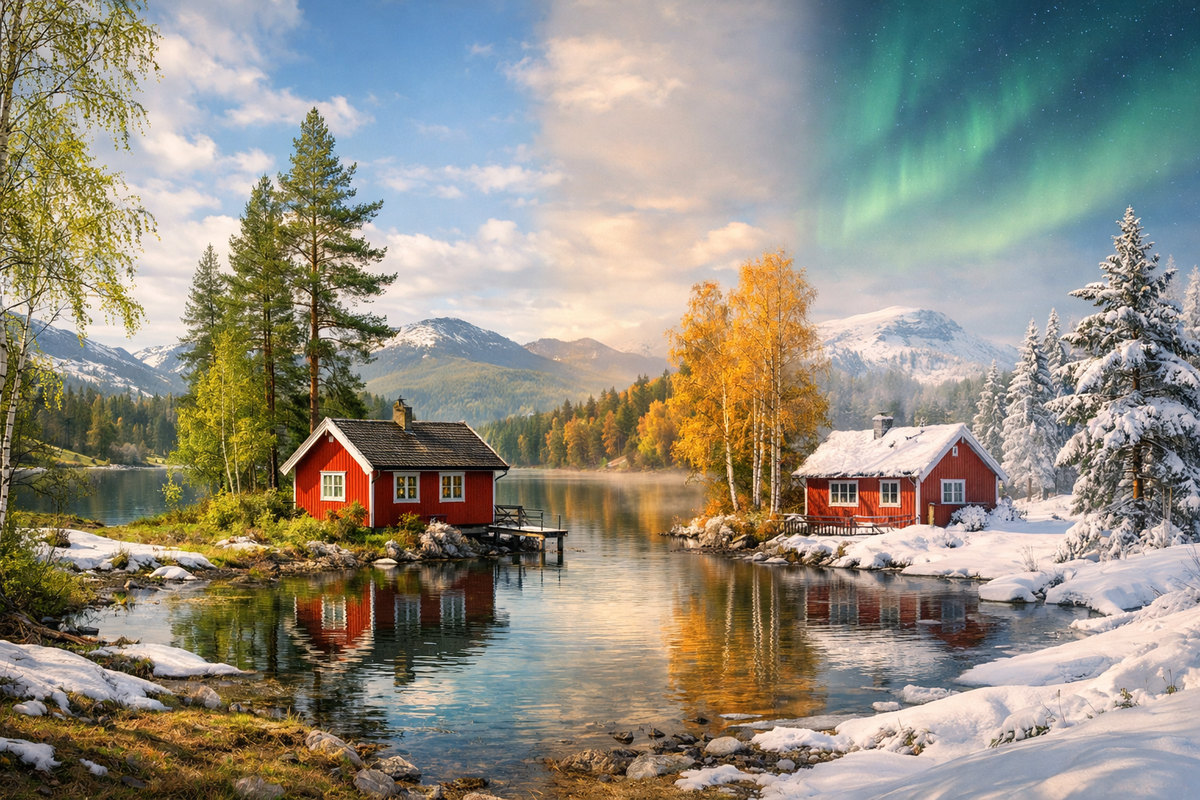
Sweden is a country of contrasts, and the weather here strongly depends on latitude and proximity to the sea. Even within a single trip, travelers may experience very different conditions when moving between regions. It is important to understand that weather forecasts can change quickly, and this is a normal local feature. The good news is that these changes are easy to manage with proper clothing and planning. This section helps you quickly understand what to expect from Sweden’s climate overall.
🧭 What Tourists Should Know
Sweden stretches from south to north, so weather conditions can vary greatly across regions. The south is generally milder and more humid, while the north is colder and drier. Knowing exactly where and when you are traveling is essential.
Weather in Sweden can change rapidly, so even in summer it’s wise to have a backup plan. A sunny morning can turn into wind and rain by evening. This is typical Scandinavian weather and easy to adapt to.
Overall, Sweden is comfortable for travel year-round if the season matches your goals. City trips work well almost anytime, while nature is most vibrant in summer and autumn. In winter, the country becomes ideal for snowy experiences.
🌸 Spring (March–May)
Spring in Sweden feels like a gradual return of light and movement after winter. Some areas already show green parks, while others still experience cold and lingering snow. This season is ideal for travelers who prefer fewer crowds and a calmer pace. However, spring weather can be unpredictable and windy. This section explains how to plan a spring trip without surprises.
🌱 Nature Awakens and Weather Is Unstable
During spring, Sweden slowly transitions out of winter, but temperatures rise unevenly. March is often chilly, while May can feel quite warm, especially in the south. Wind is common and often makes it feel colder than expected.
This is a great season for walking around cities and visiting museums without crowds. Nature begins to wake up, colors return, and daylight hours increase. However, footwear and outerwear should still be suitable for wet conditions.
In northern regions, spring arrives later. Snow may still be present in April, and May can feel like a mix of winter and spring. Plan routes that don’t rely on perfect weather.
☀️ Summer (June–August)
Summer is the most versatile season for tourists in Sweden. Days are long, allowing walks well into the evening, and both cities and nature feel open and lively. Planning routes is easier with fewer weather-related risks. Even so, cool evenings and coastal winds are common. This section explains what to expect and how to prepare.
🌞 The Best Season for Nature, Islands, and Walks
Summer in Sweden is comfortable for travel because daylight is long and activities are widely available. In some places, it stays light almost until night, changing the sense of time. Temperatures are usually pleasant, though evenings can be cool.
This is the season for lakes, islands, parks, hiking trails, and city walks. Coastal areas can be windy, so a light jacket is useful even in July. Rain happens, but it is often brief and followed by clear skies.
For the full summer atmosphere, plan your trip for late June or July. In August, the first signs of autumn may appear, especially at night. Tourist infrastructure works very well throughout the entire season.
- Light wind jacket for evenings
- Sunscreen and sunglasses, even on cloudy days
- Rain poncho or compact raincoat
- Museums and observation decks
- Cafés, markets, covered galleries
- Short routes near your accommodation
🍂 Autumn (September–November)
Autumn in Sweden is a season of cozy cities, colorful forests, and noticeable cooling. It suits travelers who enjoy atmosphere and a slower pace. Weather becomes wetter and windier, and daylight shortens quickly. At the same time, there are fewer tourists and a more cinematic northern feel. Below is what to keep in mind when traveling in autumn.

🌧️ Atmospheric, Cool, and Often Windy
Autumn brings cooler temperatures and frequent weather changes throughout the day. Rain and wind are common, especially near water. However, autumn landscapes can be very beautiful and dramatic.
This season is great for city tourism and calm trips without summer crowds. Prices and queues are often more favorable. Walks should be planned with warm clothing and time buffers.
By late autumn, daylight becomes short, which affects route planning. Schedule outdoor activities during daylight hours. Evenings are best spent in cozy indoor places.
❄️ Winter (December–February)
Winter in Sweden offers two very different experiences: cozy city trips and true northern winter adventures. For tourists, darkness and wind are often more challenging than temperature itself. Still, winter brings snow, seasonal activities, and a special atmosphere. With the right clothing, winter travel can be very comfortable. This section gives key winter guidelines.
🌨️ Snow, Frost, and Northern Mood
Winter conditions vary greatly by region. The south is milder and wetter, while the north is colder and snowier. Long hours of darkness mean planning daily schedules carefully.
Winter is perfect for skiing, snowy forest walks, and northern experiences. Cities feel cozy with lights, markets, and cafés. Shoes must have good grip because icy sidewalks are common.
For a true winter fairy-tale experience, head north. Snow is more reliable and winter activities are more diverse. Even in cities, layering and wind protection are essential.
Warm socks and grip shoes.
Plan walks during daylight.
🗺️ Regional Weather Differences
Sweden may not look large on a map, but weather varies greatly. Tourists should not apply expectations from Stockholm to northern regions or vice versa. Sometimes the difference feels like traveling between two countries. This block helps you choose the right region for your travel style. Below is a quick regional comparison.
📍 South, Central, and North — Three Different Scenarios
Southern Sweden has milder temperatures but feels wetter and windier. Rain is more common, and the climate feels maritime. This region works well for city trips year-round.
Central Sweden offers the most balanced conditions. Seasons are clear, summers are comfortable, and winters are manageable. It is the most predictable choice for multi-city travel.
Northern Sweden is a different world with stronger winters and shorter summers. Choose it for snow, winter sports, and northern scenery. Be prepared for stricter conditions and longer travel distances.
🗓️ Best Time to Visit for Tourists
Choosing a season in Sweden means choosing a travel scenario. Some travelers want long daylight and walks, others want snow and winter atmosphere. A good trip is not about perfect weather but matching the season to your goals. This section explains how to choose by month and purpose. Below are simple guidelines.

🎯 Choosing the Right Month for Your Goals
For walks, nature, and long days, summer is the best choice. Planning routes is easier, and most activities are available. It is ideal for a first visit.
For atmosphere and fewer crowds, autumn is an excellent option. It works well for cities, photography, cafés, and museums. Just account for shorter daylight.
For snow and northern experiences, choose winter and head north. This season offers unique moods and activities. Proper clothing and weather awareness are essential.
🎒 What to Pack
Packing for Sweden is mainly about practicality. Fewer items that work well together are better than many specialized ones. Even in summer, wind and rain protection is useful, and in shoulder seasons, good shoes are essential. This block helps you pack smartly. Below are key tips.
👕 Practical Clothing and Gear
Layering and versatility are the best principles. Instead of one heavy item, use multiple layers you can adjust. This keeps you comfortable during sudden weather changes.
Shoes should be comfortable and water-resistant. Even in cities, wet surfaces and wind are common. In rainy seasons, a compact raincoat is often better than an umbrella.
Wind and light rain protection is useful year-round. Weather in Sweden is rarely “bad,” just changeable. Prepared travelers feel comfortable almost always.
❓ Questions & Answers (FAQ)
June and July are generally the most comfortable. Days are long and activities are plentiful. Evenings can still be cool near water.
Occasionally, but heat rarely lasts long. Most of the time, temperatures are mild and pleasant. Be ready for quick changes and brief rain.
Autumn and transitional seasons feel wetter. Rain is often light but persistent, combined with wind. A raincoat and waterproof shoes solve most issues.
Cities are manageable with proper clothing. Wind, darkness, and icy streets are the main challenges. Northern regions are harsher but more rewarding.
Winter in northern regions offers the best chance. Snow is more reliable and activities are more varied. Plan routes around limited daylight.

0 comments
Log in to leave a comment