



🌟 Culture & Basics
Sweden is a country of harmony and modernity.
Traveling here reveals an amazing blend of nature, history, and culture.
Knowing the basics of the culture helps travelers feel comfortable and safe.
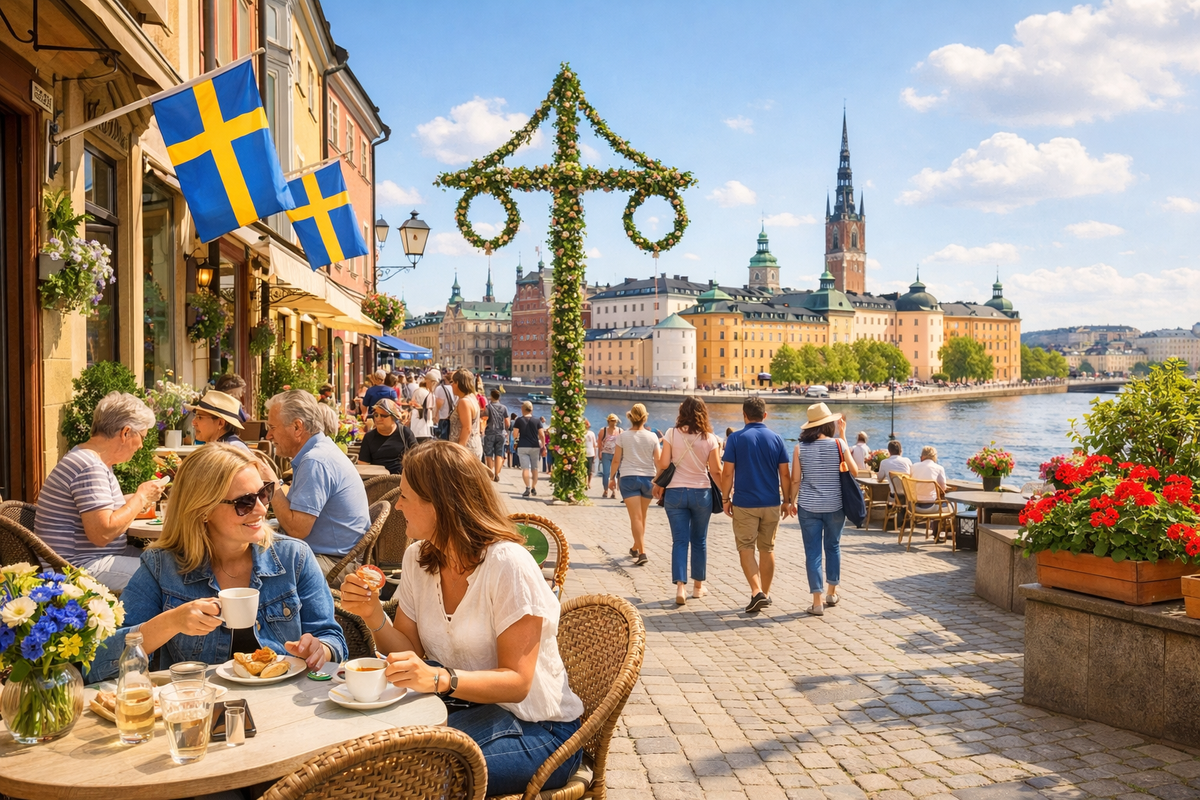
Locals value calmness, respect, and friendliness, making the country pleasant to visit.
In this article, you will learn about traditions, social norms, and Swedish culture to make your trip easy and enjoyable.
🏞️ What You Need to Know Before Your Trip
Before your trip, it’s important to learn the language, customs, and basic rules of behavior.
Understanding these aspects helps you connect with the locals.
Even a small knowledge of the culture makes your journey more interesting and fulfilling.
You will better understand Swedish habits and adapt more quickly to the country.
It’s also useful to learn about transportation and payment systems.
Many places use cashless systems, which may surprise tourists.
Knowing these nuances saves time and avoids misunderstandings.
Planning your trip in advance makes your travel comfortable and stress-free.
Finally, familiarize yourself with key attractions and neighborhoods.
Understanding the cultural context helps you appreciate architecture and museums more deeply.
Tourists find it easier to navigate and enjoy their visit.
Preparation allows you to fully immerse yourself in the Swedish atmosphere.
💬 Language and Communication
The Swedish language sounds soft and melodic, and even a few phrases can help you connect with locals.
English is widely spoken, so communication is generally not a problem.
It’s important to pay attention to non-verbal signals — Swedes value personal space and restraint.
Even a smile or a nod shows respect and friendliness.
Knowing a few phrases creates a positive impression and increases travelers’ confidence.
🗣️ Essential Phrases for Tourists
Greetings, thanks, and simple questions make communication easier.
Learn “Hej” (Hello), “Tack” (Thank you), and “Ursäkta” (Excuse me).
Using these words shows respect for the culture and willingness to engage.
Even a small set of phrases helps when navigating cafes, shops, and public transport.
It’s also useful to know how to address people politely in public.
Swedes value politeness and respectful interactions, especially with older generations.
A smile and friendly tone create a positive first impression.
Conflict-free communication is key to a comfortable stay in the country.
🎨 Social Norms and Behavior
Sweden is known for its culture of respect and restraint.
Here, the principle of “lagom” — balance and moderation in everything — is highly valued.
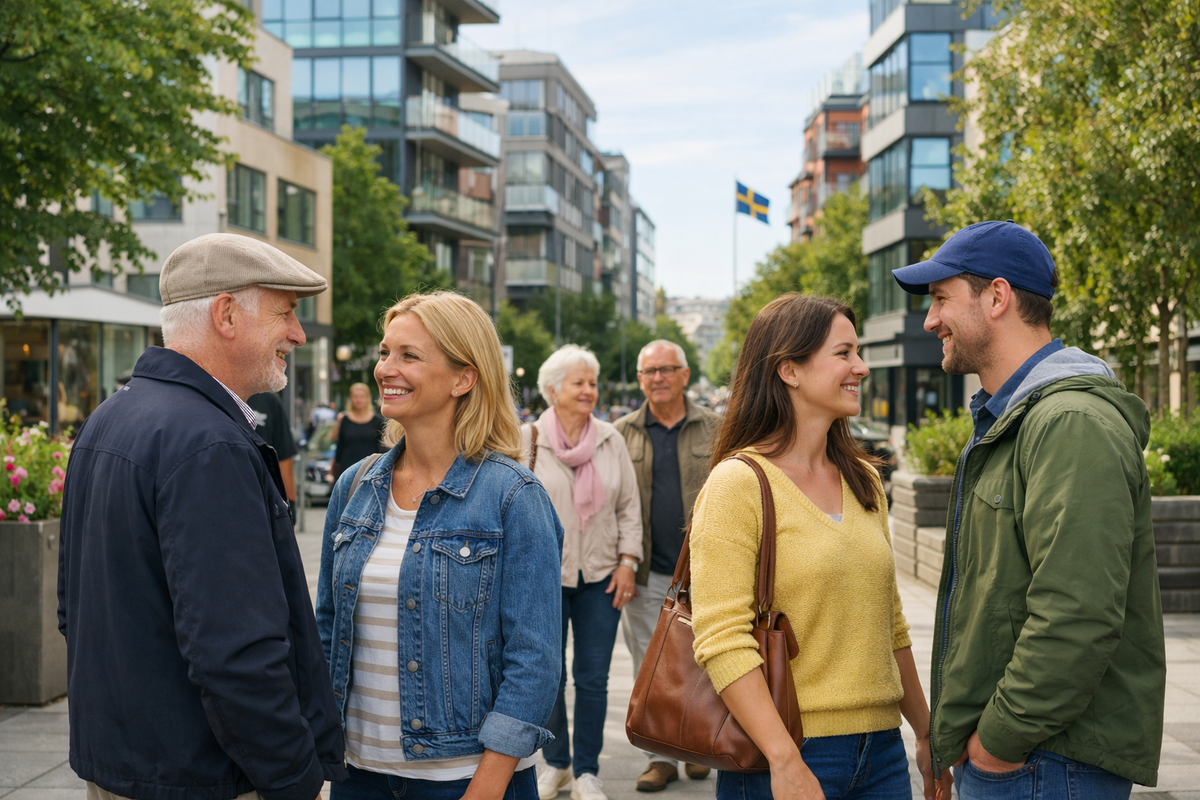
Punctuality is very important and is seen as a sign of respect.
Swedes prefer calm behavior and respect personal space.
Friendliness is expressed through calm gestures, smiles, and polite words.
Knowing these features helps travelers feel confident and comfortable.
🌿 Behavior Guidelines
Keep quiet on public transport and respect personal space.
Be polite and patient in lines and public places.
These simple rules help avoid misunderstandings.
Following norms makes locals perceive you as friendly.
Understanding cultural differences makes communication and adaptation easier.
Swedes value honesty, directness, and calmness in all situations.
Learning these norms is useful for both tourists and business visitors.
Mutual respect is key to a positive impression of your trip.
It’s also important to consider social interaction rules.
For example, inviting yourself into someone’s home without permission is not acceptable.
Tourists should respect local customs and guest etiquette.
Following these norms ensures a comfortable and safe stay.
🤝 Social Norms and Behavior
In Sweden, the principle of "lagom" — moderation and balance — is highly valued. This applies to lifestyle, work, and social interactions.
Punctuality is very important — being late is considered rude.
Respect for personal space and calmness in public areas makes the country comfortable for visitors.
Swedes prefer restraint, so loud or overly expressive behavior may seem surprising.
🎉 Traditions and Holidays
Swedish holidays are unique and give tourists a chance to experience the culture firsthand.
Midsummer is celebrated in the summer with dancing, flower crowns, and traditional food.
Santa Lucia is celebrated in December, lighting up the winter with candles and music.
“Fika” is a daily coffee break that’s an important part of social life.
Learning about traditions helps you better understand the lifestyle of locals.
🎀 The Culture of Fika
Fika is not just coffee, it’s an important social ritual.
During the break, people talk, share news, and enjoy sweet treats.
Even tourists are encouraged to participate to experience the Swedish atmosphere.
Fika helps build social connections and feel the rhythm of life in Sweden.
Midsummer is a time for colorful flower crowns and outdoor dances.
Traditions help tourists immerse themselves in the local atmosphere and feel part of life.
Santa Lucia brightens dark winter days with songs and sweets.
Knowing holidays allows you to plan your visit to see unique cultural events.
🎶 Art, Design, and Culture
Sweden is famous for its musicians, writers, and modern design.
The architecture combines historical buildings with contemporary constructions.
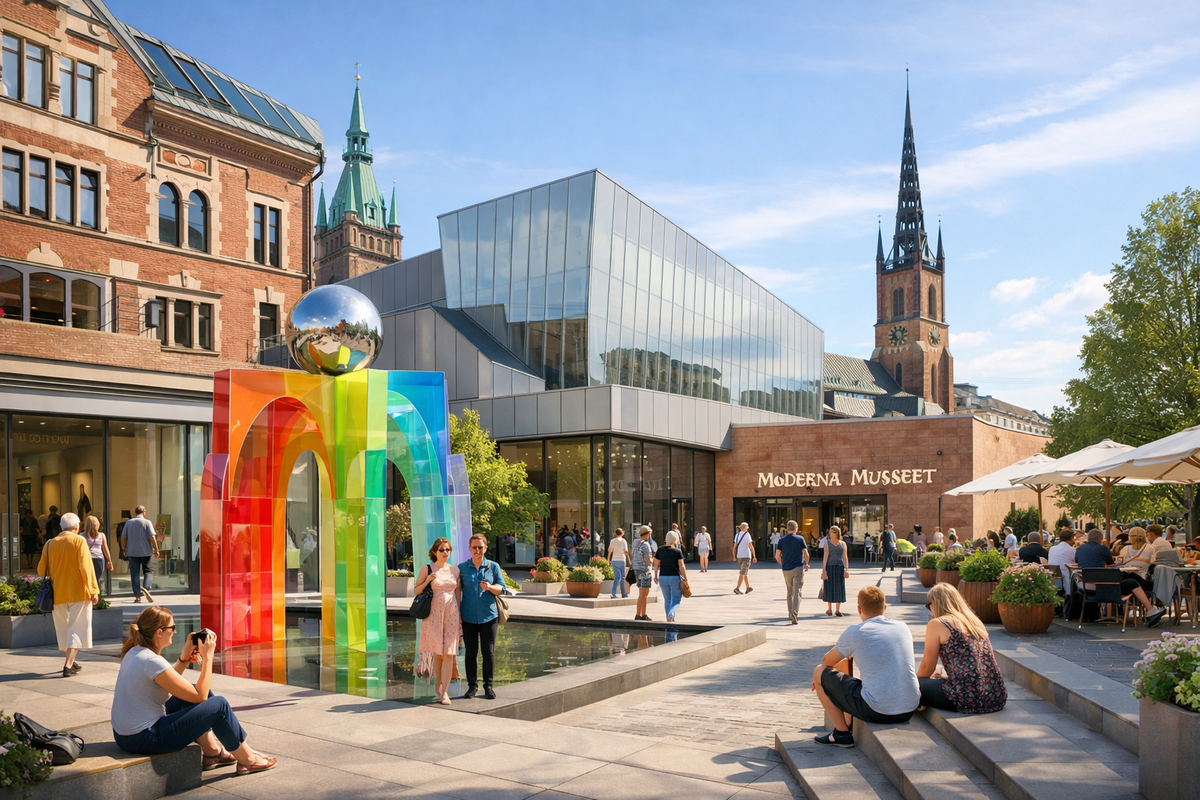
Museums, theaters, and galleries offer diverse cultural experiences for tourists.
Even walking through historic districts immerses you in Swedish culture.
Tourists can draw inspiration from Swedish art, design, and architecture at every step.
Visiting cultural sites helps understand both history and current trends.
🏛️ Places to Visit
Try museums, art galleries, and cultural exhibitions.
Swedish design emphasizes simplicity, functionality, and elegance.
Even street installations can be a fascinating part of your trip.
Art lovers will find inspiration in music, literature, and architecture.
Architecture reflects the rich history and modern trends of the country.
Walking through old towns, castles, and cultural districts allows you to feel the spirit of Sweden.
🎨 Art, Design, and Culture
Sweden is known for its musicians, writers, and modern design.
Architecture combines historical buildings and modern structures.
Museums, theaters, and galleries offer diverse cultural experiences.
Even walking through historic districts immerses you in Swedish culture.
🍽️ Culinary Features
Swedish cuisine is a mix of tradition and simplicity.
Köttbullar (meatballs), smörgåsbord (open sandwiches), and fish are popular dishes.
Seasonal products and fresh ingredients create unique flavors.
Tourists appreciate cafes and restaurants where they can try local desserts.
Cuisine helps travelers better understand the culture and traditions of the country.
🥐 Where to Try Local Food
Try local dishes at cafes and markets.
Don’t miss desserts and sweets, especially during fika.
Many restaurants offer tasting menus for tourists.
Lunch or dinner in a traditional cafe is a way to experience the local atmosphere.
Also pay attention to seasonal dishes and drinks.
Swedish cuisine values natural and fresh ingredients.
Every dish reflects the country’s history and traditions.
Tourists note that the food is not only tasty but also aesthetically pleasing.
Don’t be afraid to try new flavors and recipes.
Local products create unique combinations.
Try fish, berries, and seasonal vegetables to fully experience the culture.
Culinary experience is an important part of traveling in Sweden.
❓ Questions and Answers (FAQ)
No, most Swedes speak English, but knowing a few basic phrases (“Hej”, “Tack”) helps you connect.
“Lagom” means “in moderation” or “balanced.” It’s a principle of moderation, respect for others, and harmonious living.
Midsummer is celebrated in summer with dancing, flower crowns, and outdoor feasts.
Fika is a traditional coffee break with social interaction and treats.
It helps people relax and strengthen social connections.
Keep quiet, don’t take up extra space, and pay carefully.
In cafes, polite behavior and respect for staff are expected.
Meatballs (köttbullar), open sandwiches (smörgåsbord), fish, and seasonal desserts. Also try local berries, bread, and coffee during fika.
Yes, many cities in Sweden have free museums, parks, and historic areas.
Some exhibitions and cultural sites are open for free on certain days.
Combine walks, museum visits, and participation in local traditions.
Also, try local cuisine and interact with locals for the full experience.

0 comments
Log in to leave a comment