



🧳 What to take seasonally to Sweden
🧳 Introduction: Sweden and Stress-Free Packing
Sweden feels easy and comfortable for travel, but the weather often changes faster than your plans. Wind near the water makes the air feel colder, and humidity increases the chill. Even in summer, evenings can be cool, especially along the coast and islands. That’s why packing for Sweden isn’t about taking “more warm clothes,” but about choosing items that work well together. This short guide helps you pack compactly and feel confident from day one.
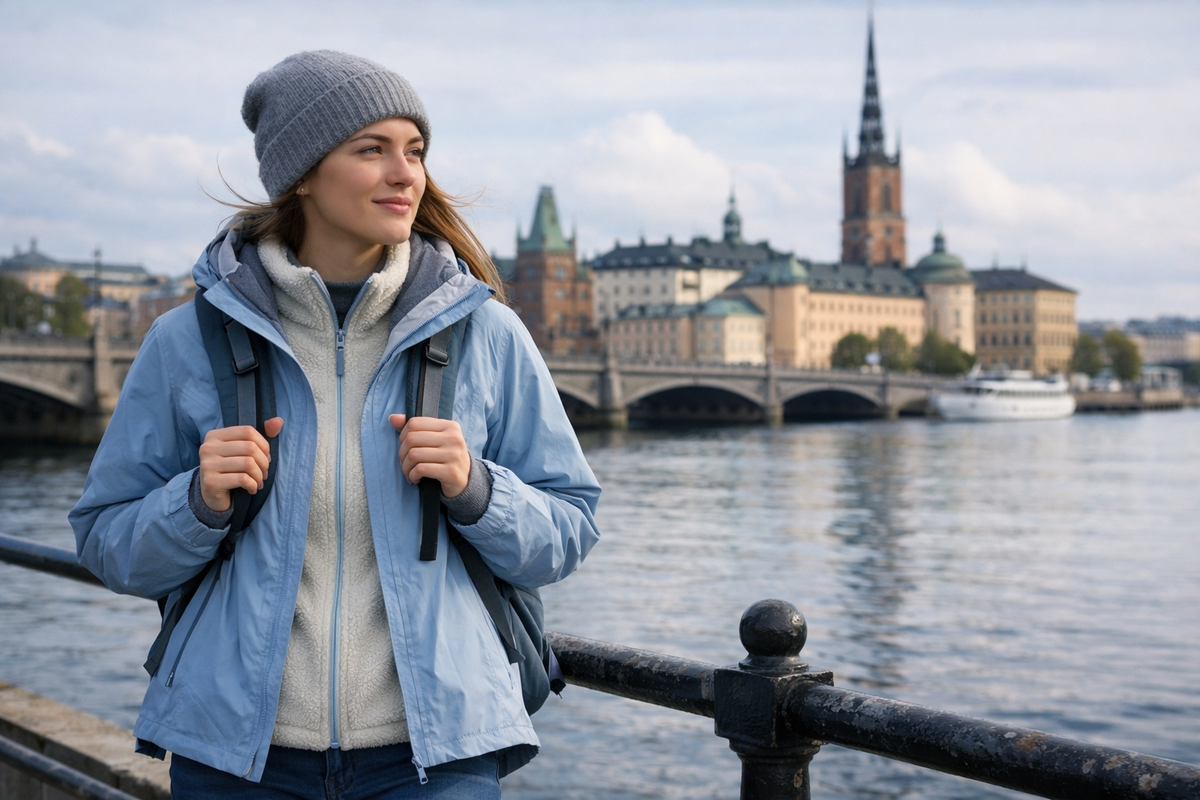
🌬️ Why Layers Matter More Than “The Warmest Outfit”
Sweden can be deceptive: the forecast looks mild, but the wind tells a different story. This is especially noticeable on waterfronts, bridges, and open spaces. One heavy all-purpose outfit often loses to a smart layering system.
The idea is simple: you should be able to add warmth or protection in seconds. This way you’re not dependent on sudden chills and don’t carry unnecessary items. The same approach works equally well in cities and in nature.
If this is your first trip to Scandinavia, don’t try to predict the weather perfectly. Focus on practicality: comfortable shoes, wind protection, and one reliable warm layer. Then your walks will be about experiences, not discomfort.
🧩 The Core Principle: Layered Clothing (The 3-Layer Rule)
Layers are the most “Swedish” way of dressing: calm, practical, and lightweight. They help you adapt easily to wind, rain, and temperature changes between outdoors and indoors. This is especially useful when you walk a lot and frequently stop at cafés or museums. A layering system keeps your suitcase compact and your look clean and versatile. Remember: three light layers beat one heavy garment.
🧥 How to Dress “the Swedish Way” and Stay Weather-Ready
Layered clothing lets you adjust without changing your whole outfit. If it gets warm, remove the mid-layer; if it rains, add the outer shell. This prevents both overheating and freezing.
The base layer keeps you dry and comfortable against your skin. The mid-layer provides warmth without bulk. The outer layer blocks wind and moisture, which is crucial near water.
Think in one formula: dry + warm + protected. It works in summer, winter, and everything in between. With this logic, packing becomes fast and intuitive.
🎒 All-Season Essentials: A Universal Packing List
A universal set is your safety net against “I packed the wrong thing.” It’s perfect if you’re visiting Sweden for the first time and don’t yet feel the climate. This approach is ideal for mixed itineraries: cities, nature, and island trips. It helps you pack light and leave space for souvenirs. Most importantly, it covers the majority of weather scenarios with one system.
✅ What to Pack to Cover 80% of Situations
Start with an outer layer: a windbreaker or shell protects from wind and rain. For insulation, fleece or a lightweight down jacket packs small and works well. For bottoms, choose comfortable pants and keep thermal layers optional.
Shoes determine half your comfort: one ultra-comfortable pair and one more water-resistant option. A buff, thin gloves, and a beanie often come in handy even in “warm” months. These small items take little space but give peace of mind.
Useful extras include a power bank, reusable water bottle, and a small first-aid kit. Sunscreen and sunglasses aren’t just for summer—light near water can be intense. A compact daypack is great for daily walks and excursions.
🌦️ Spring in Sweden (March–May)
Spring in Sweden is very photogenic: more light, fresh colors, lively streets and parks. At the same time, the air often remains cool, especially in the mornings and evenings. Wind intensifies the chill, and rain can start and stop suddenly. That’s why spring packing is about protection and layers, not bulky clothes. When packed right, spring is perfect for long walks.
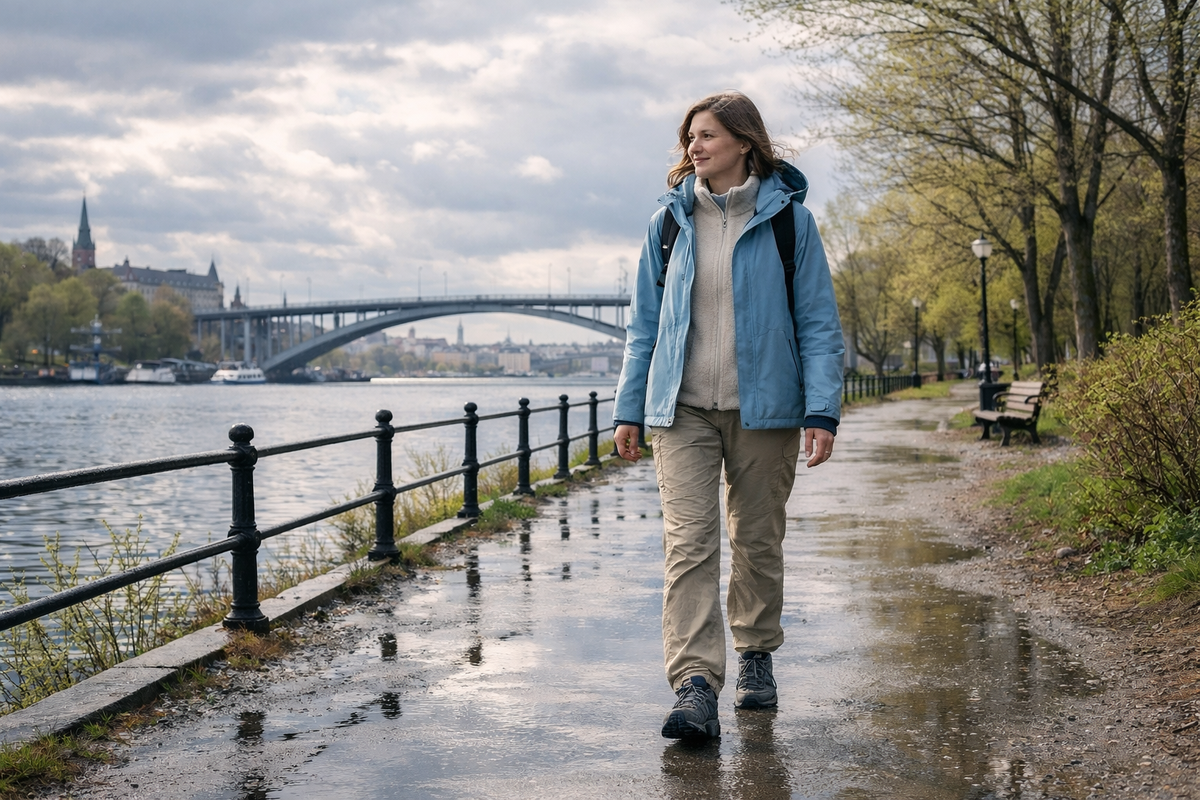
🌧️ Cool, Windy, Sometimes Wet — but Beautiful
Daytime can feel comfortable, but evenings cool down quickly. Wind is stronger near water and in open areas. That’s why spring calls for a shell and a backup warm layer.
The best combo is a base layer + fleece/sweater + protective outer layer. It’s compact and flexible. Add a lightweight rain jacket if you plan lots of walking.
Choose water-resistant, stable shoes, as wet pavements are common. In cities, waterproof sneakers work well; for trips outside town, light boots are better. Spring in Sweden is about walking comfortably, not fighting the weather.
☀️ Summer in Sweden (June–August)
Summer in Sweden feels like the day lasts forever and everything is possible. True heat is rare, and water always brings a cool breeze. Weather can change quickly: sun, clouds, then clear skies again. That’s why even summer packing should be smart, not just light. This way you’re ready for lake swims and evening waterfront walks alike.
🌿 Long Days, Nature, and Cool Evenings
Light clothing works during the day, but a warm layer is almost always needed later. A windbreaker or thin shell is perfect near water and on islands. Small item, big comfort.
For nature trips, pack insect repellent and quick-drying clothes. Don’t forget swimwear—lakes and saunas are a Swedish classic. Extra socks are surprisingly useful after rain.
If you’re heading north, bring a sleep mask for long daylight hours. Sunscreen and sunglasses matter too—reflections near water can be strong. Swedish summer is perfect when you’re ready for +20°C days and +10°C evenings.
- windbreaker or light shell
- thin fleece/sweater for evenings
- repellent, SPF, sunglasses
- comfortable shoes + spare socks
🍁 Autumn in Sweden (September–November)
Autumn is the season of cozy cafés, golden parks, and unhurried walks. It’s also when damp cold feels stronger than the thermometer suggests. Rain can be light but persistent, and wind sharp and unpleasant. Daylight shortens, and evenings arrive sooner than expected. Autumn packing focuses on moisture protection and comfortable warmth without bulk.
🌫️ Rainy Season and Slow, Cozy Walks
A protective outer layer is key for wind and rain. A hood often works better than an umbrella in strong wind. With a good shell, autumn becomes far more enjoyable.
Choose medium-weight layers like fleece, wool, and a warm base layer. This lets you regulate temperature easily indoors and outdoors. It’s especially convenient for city sightseeing.
Waterproof shoes are essential so puddles don’t ruin your day. Warm socks and a spare thin layer help with evening chills. A thermos and small flashlight are useful for trips outside the city.
❄️ Winter in Sweden (December–February)
Winter in Sweden means lights, snow, coziness, and real northern magic. Comfort depends more on details than on the number of clothes. Wind and slippery surfaces can spoil impressions if you’re unprepared. Cities are milder, while the north feels much colder and demands proper layering. With the right setup, winter becomes the most atmospheric season to visit.

🌌 Snow, Frost, and Northern Lights
Start with shoes: warm and with good grip. Then add layers so you can remove insulation indoors. This prevents sweating and freezing later.
For cities, a warm base layer, fleece, and windproof jacket are usually enough. Hat and gloves are almost always necessary. A buff replaces a scarf and packs small.
If you’re heading to Lapland, add mittens, thicker socks, and optional hand warmers. A headlamp is useful for evening walks and aurora watching. Winter Sweden truly shines when you’re warm and steady on your feet.
🗺️ Packing by Trip Type: Mini Sets
The same season feels different in cities and in nature. In cities, you often move between indoors and outdoors, so removable layers matter. In nature, moisture protection, stable shoes, and extra warmth are key. The north adds darkness and wind, making accessories even more valuable. That’s why packing by scenario is just as important as packing by season.
🎯 City, Nature, or North — Pack for Your Route
For city trips, focus on comfortable shoes, a shell, and one warm layer. This covers waterfront walks, museums, and evenings out. Choose capsule pieces that mix easily.
For nature trips, add spare socks and sturdier shoes. Clothes should dry quickly and allow free movement. This keeps long walks enjoyable.
For the north, warm accessories and a headlamp are essential. Short daylight makes hands-free light practical. This approach keeps luggage light while boosting comfort.
⚠️ Common Beginner Mistakes
Packing mistakes usually become obvious on the first day. Travelers often overestimate warmth and underestimate wind and humidity. Another common issue is uncomfortable shoes that ruin walks. Many bring too many clothes but forget moisture protection and small accessories that actually help. The good news: most mistakes are easy to fix with layering logic.
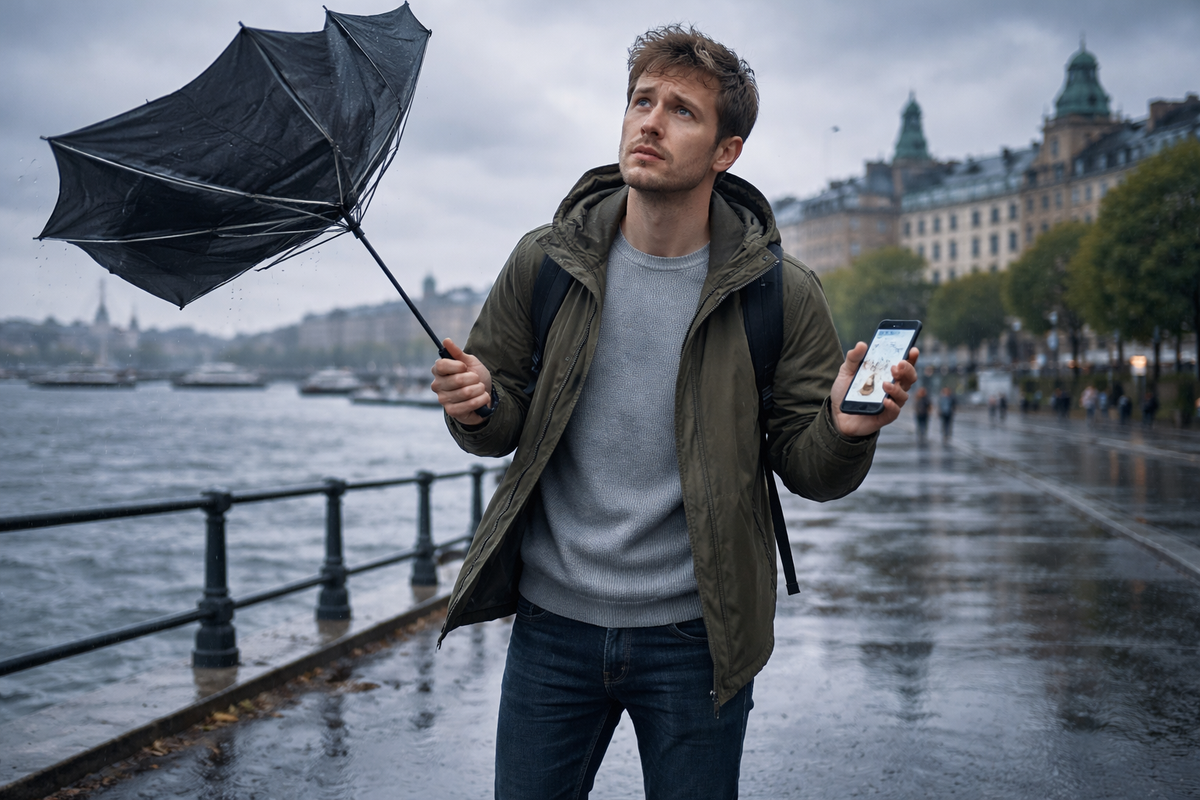
🔧 What Ruins the Trip — and How to Fix It
Mistake #1: one very warm item instead of layers. Indoors you overheat, outdoors you freeze. Layers give control.
Mistake #2: cotton as a base layer in cool, damp weather. It dries slowly and chills quickly in wind. Moisture-wicking fabrics work far better.
Mistake #3: poor footwear—slippery, wet, or uncomfortable. Walking is a big part of Sweden travel. Good shoes matter more than an extra sweater.
❓ Questions & Answers (FAQ)
Use layers: base, insulation, protection. It handles wind and rain easily. It saves space and stress.
A shell or rain jacket and water-resistant shoes. A hood often beats an umbrella in wind. Spare socks are surprisingly important.
Yes, at least one warm layer for evenings. Water makes it feel cooler. A windbreaker is ideal.
A windproof jacket and removable layers. Non-slip shoes are the top priority. Hat and gloves are almost always needed.
Spring/autumn: water-resistant sneakers or boots. Summer: comfortable sneakers with rain backup. Winter: warm boots with good grip.
Warm accessories, optional hand warmers, and a headlamp. Reflective details help in darkness. Layers beat one oversized jacket.
🎒 Final Thoughts: Pack Light, Travel Comfortably
A good Sweden suitcase means you don’t think about the weather every two hours. A capsule wardrobe gives more combinations with less weight—and more freedom. Before departure, check the forecast and note how much time you’ll spend near water or outdoors. For mixed routes, prioritize a shell and one warm layer. Comfort in Sweden almost always starts with good shoes and wind protection.
🧠 Capsule Instead of Overpacking
Choose items that work together easily. You’ll change outfits without adding weight. This is perfect for transfers and long walks.
Check your route and forecast to judge how much warmth and protection you need. Cities need removable layers; nature needs stability and moisture defense. This approach saves space and time.
Sweden reveals itself through walking—along waterfronts, parks, islands, and small towns. When you’re warm and comfortable, you see more and enjoy more. Pack by season and enjoy the Nordic atmosphere.

0 comments
Log in to leave a comment