



🌍 Abisko: how to see Aurora
🧭 Introduction: Why Abisko Is a Place Where You Can Truly “See”
Abisko is a destination in northern Sweden where travelers come for the northern lights and authentic Arctic atmosphere. The region is valued not only for its beauty but also for its practicality, as clear skies are common and access is relatively straightforward. For first-time visitors to Scandinavia, Abisko offers a comfortable and manageable introduction. For residents of Sweden or Norway, it works perfectly as a short northern getaway or weekend reset. The key is deciding what you want to observe: aurora borealis, Arctic landscapes, hiking trails, or a cinematic winter experience. This guide will help you choose the right season, base location, and trip length to make your journey successful.
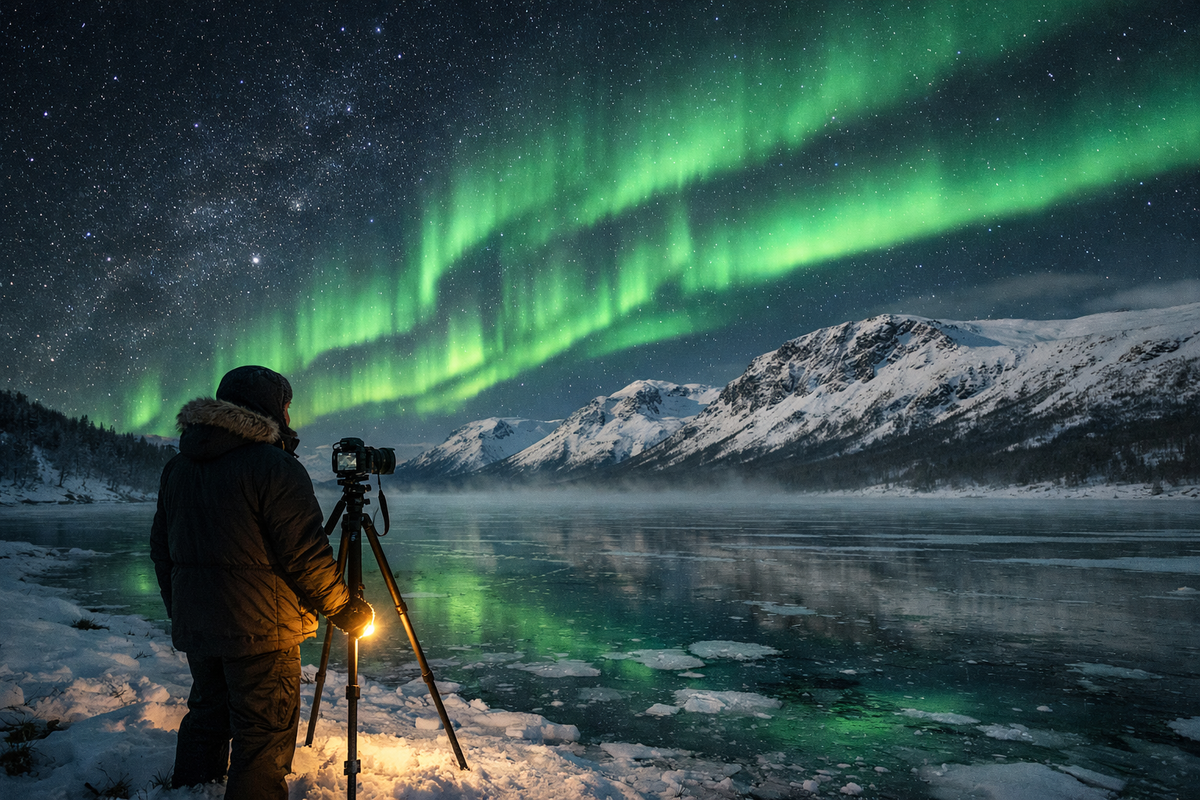
🌍 Who Abisko Is Perfect For
Abisko is ideal for travelers planning their first trip to Scandinavia who want to see the northern lights without complicated logistics. It is also a great destination for Scandinavian residents looking for a short Arctic escape. The region is compact and easy to navigate, so it does not require extreme outdoor experience. You can combine active days with quiet evenings under the sky. Even a short trip can feel like a true Arctic expedition. The most important step is choosing the right season and travel style.
🌌 What to Observe in Abisko
Abisko is known as one of the best places in Sweden to observe the northern lights. Thanks to its stable microclimate and frequent clear skies, the chances of seeing the aurora borealis are higher here than in many other regions. However, the experience is not limited to nighttime outings. The national park offers dramatic mountain views, Arctic valleys, and pristine lakes. In winter, the landscape turns into a snowy wonderland; in summer, it becomes a gateway to hiking adventures. Observing Abisko means not only watching the sky, but also learning to see the Arctic landscape itself.
✨ Northern Lights and Arctic Nature
The best season for northern lights is from autumn to early spring, when the nights are dark and long. Success depends on both solar activity and clear skies. It is recommended to plan at least two or three consecutive nights. During the day, you can explore nearby trails and prepare your observation spots. In summer, the focus shifts to hiking and experiencing the midnight sun. In every season, nature remains the main highlight of Abisko.
- Northern Lights (aurora borealis)
- Arctic landscapes and mountain panoramas
- Polar night or midnight sun
❄️ How to Choose Your Route by Season and Interests
Your Abisko itinerary should reflect your main goal. If the priority is northern lights, the best period is September to March. For hiking and relaxed nature walks, summer and early autumn are ideal. Consider daylight hours and weather conditions when planning. First-time visitors should avoid frequent relocations and choose one stable base. Radial day trips help maintain flexibility and comfort. This approach makes the journey more resilient to changing weather conditions.
🗓️ Seasonal Travel Logic
In winter, your schedule revolves around evening aurora observations and daytime snow activities. In summer, the focus shifts to trails and long daylight hours. Autumn offers a balance between soft Arctic light and the first chances to see the aurora. Spring still allows northern lights sightings, though days become longer. It is important to align the itinerary with your energy level and experience. Fewer locations often mean deeper impressions.
🏡 Where to Stay
Your base location strongly influences your comfort. If your goal is to maximize northern lights viewing and proximity to nature, staying in Abisko village is the best option. It saves time and makes evening outings easier. An alternative is Kiruna, which offers more infrastructure and an airport. This option works well if you combine nature with urban convenience. Some travelers split their stay between the two locations. The key is not to turn your trip into constant relocation.
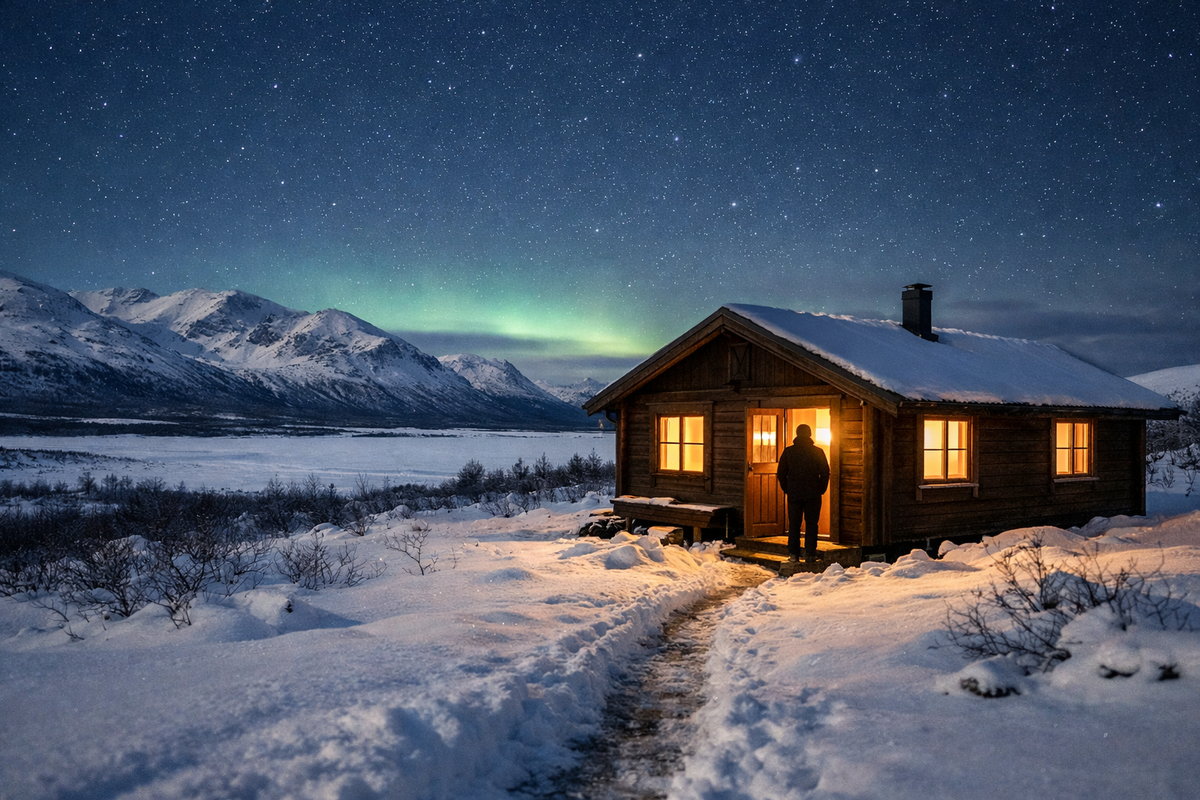
🛏️ Accommodation Strategy
Staying in Abisko allows quick access to observation points. Kiruna offers broader accommodation choices and easier transport connections. For short trips, it is better to select one base. With 4–5 days, combining both locations can be practical. If traveling without a car, consider transport logistics in advance. A stable base makes the Arctic feel more accessible.
⏳ How Many Days to Plan
Trip length directly affects your chances of seeing the northern lights. The minimum stay is 2–3 days, though it depends heavily on luck. Ideally, plan 4–5 days for flexibility. A full week suits travelers adding hiking or extended exploration. The longer you stay, the higher your chances of clear skies. In winter especially, time becomes your greatest advantage. It is better to allow extra days than to rush.
📆 Optimal Duration
A short trip offers a quick introduction to the region. A medium stay balances activities and aurora observation. A longer stay allows adaptation to the Arctic rhythm. In winter, plan at least three consecutive nights. In summer, duration depends on hiking ambitions. Always leave time for weather adjustments.
- 2–3 days — Short Arctic visit
- 4–5 days — Ideal balance
- 7 days — Extended northern adventure
🎒 Practical Tips for Your First Trip to Scandinavia
Your first Arctic trip requires preparation, but not overcomplication. Layered clothing is essential in every season. Keep your schedule flexible to adapt to weather conditions. Book accommodation early during high season. Be aware of short daylight hours in winter. Allow time for rest between activities.
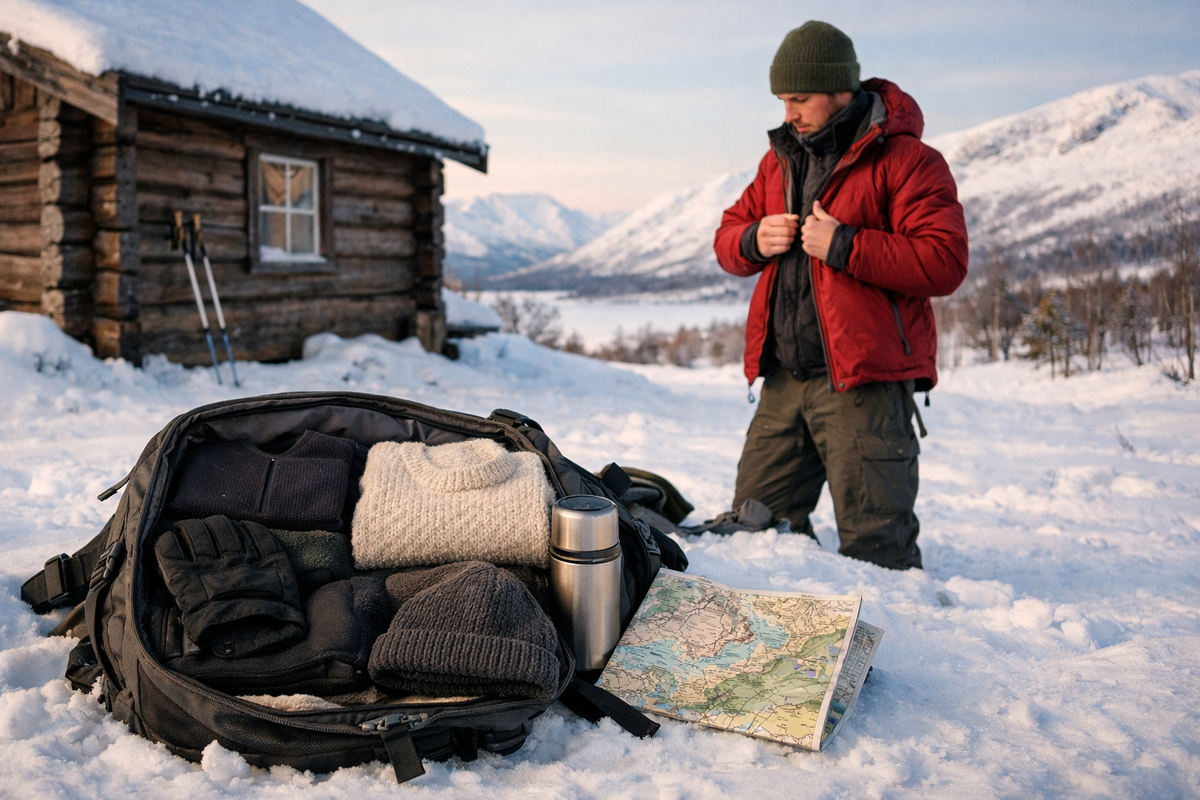
🧣 What First-Time Visitors Should Know
Weather in the north changes quickly and may alter your plans. Always check cloud forecasts before heading out for aurora viewing. If you are traveling without a car, plan transport carefully. Avoid scheduling early morning activities after late-night aurora sessions. Respect nature and stay on marked trails. Most importantly, enjoy the process — the Arctic is about experience as much as results.
❓ Questions & Answers
From late September to March.
Ideally 3–5 days.
Abisko for nature access, Kiruna for infrastructure.
Yes, for hiking and the midnight sun.
Yes, it is compact, accessible, and visually unforgettable.

0 comments
Log in to leave a comment