



🚗 Road trips
🚗 Road Trips as the Perfect Way to Travel in Sweden
Sweden is made for road trips: smooth roads, clear navigation, and distances that naturally break into enjoyable stops. It’s easy to combine cities and nature without spending hours on complicated transfers. This format works equally well for tourists and Scandinavia residents, whether you have a long weekend or a full week. The biggest advantage is flexibility — you can adjust plans based on weather or mood. Along the way, you’ll often find cozy cafés, viewpoints, and small museums worth spontaneous stops. For first-time visitors to Scandinavia, road trips offer a calm, intuitive way to explore.
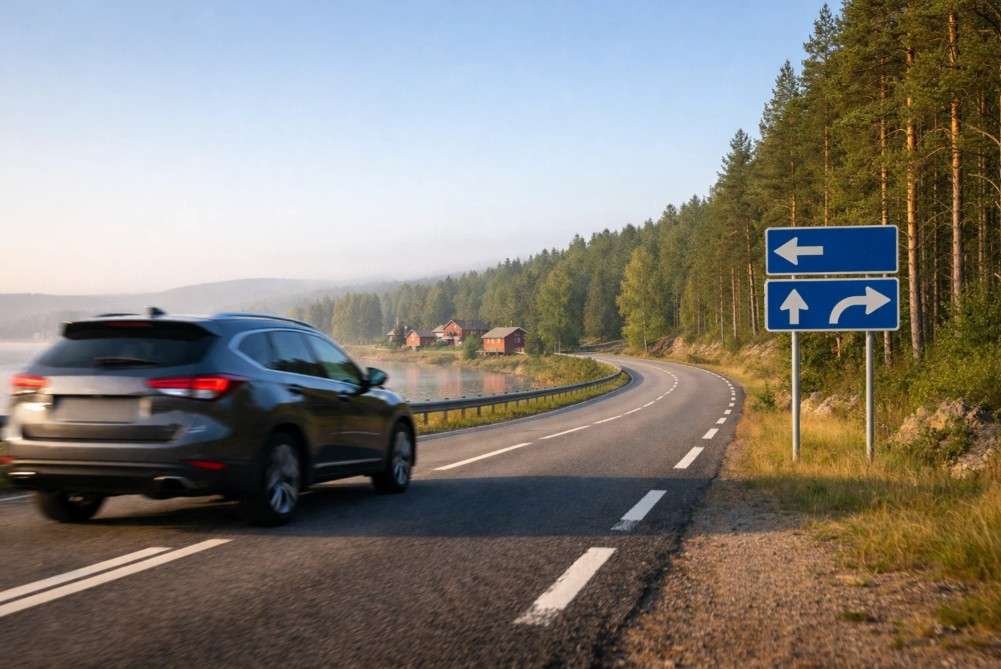
- Ideal pace: 1–2 key locations per day plus stops along the way.
- Golden rule: fewer kilometers, more impressions.
- Time rhythm: a short break every 90–120 minutes.
- For beginners: start in southern or central Sweden for easier conditions.
🧭 How to Choose a Road Trip Route by Season and Interests
In Sweden, it’s easiest to plan a route “by season” — weather and daylight dramatically shape the experience. Summer invites lakes and islands, autumn brings forest roads and small towns, winter leads north to snowy landscapes, and spring suits lighter routes in the south. The second step is defining your interests: hiking, cities, food, design, or slow nature travel. The third step is pace — leave room for spontaneous stops. For a first trip, it’s best to focus on one region rather than trying to see all of Scandinavia at once. A good route is one that can easily be simplified without regret.
🌞 Summer: Lakes, Coastlines, and Archipelagos
Summer road trips in Sweden are all about water and long bright evenings. Routes around lakes feel relaxed and work perfectly even for short trips. Coastal drives combine well with swimming spots and picnic stops. Archipelagos are best enjoyed slowly, without trying to visit too many islands in one day. If cities matter to you, add one or two urban stops between nature areas.
A great summer rhythm is “nature in the morning, driving midday, a waterside town in the evening.” This keeps the trip balanced and unhurried. In high season, accommodation is best booked in advance if you want a specific location. A thermos and light food are useful — Sweden offers many excellent picnic areas. Families benefit from shorter drives and frequent breaks. And always leave at least one flexible day for wherever the road feels right.
🍂 Autumn: Forests, Farms, and Small Towns
Autumn in Sweden is deeply atmospheric: golden forests, crisp air, and quiet roads. It’s a perfect season for slow driving and stops in small towns. With fewer tourists, local life feels more visible and authentic. Routes work best when built around one direction with multiple short pauses. Food-focused travelers will enjoy local products and farm shops.
Autumn travel benefits from daytime driving, as daylight hours are shorter. Plan evenings to already be at your destination. Always have a backup plan for rainy days — cafés, museums, or nearby towns. Layered clothing solves most weather challenges, especially near water. Autumn is also ideal for photography-focused road trips, where the journey itself becomes the highlight.
📍 Where to Base Yourself During a Road Trip
A base is a place where you stay for 2–4 nights and explore the area with day trips. This approach reduces logistics and saves energy, especially for first-time visitors. In Sweden, the model “city base + nearby nature” works exceptionally well. For longer trips, two bases per week often feel better than constant relocation. Accommodation choice depends on season: cabins and campgrounds in summer, hotels and apartments in cooler months. The key is knowing what matters most — silence, kitchen access, parking, or central location.
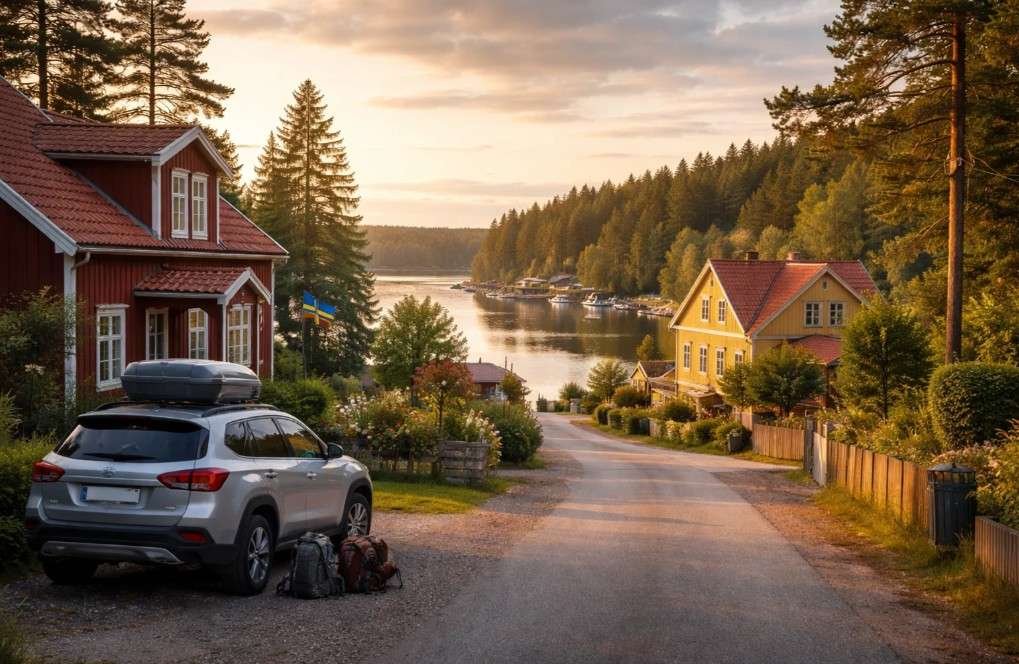
🏙️ One Base with Day Trips
A single base offers stability and simple planning. You stay in one town or city and explore within 30–120 minutes in different directions. This removes daily packing stress and gives you predictable evenings. For a first Scandinavian trip, this format is almost ideal. It works especially well in winter and shoulder seasons when weather can change quickly.
Mark 6–10 possible destinations around your base and choose a few each day based on mood. This keeps the trip flexible yet structured. Try to return before dark if you’re new to rural roads. Traveling with others becomes easier when everyone shares one routine. You’ll also experience Sweden more like locals — moving outward from a familiar home point.
🧳 Multiple Overnight Stops
This format suits travelers who enjoy the road itself as part of the adventure. The key is moderation: long drives every day drain energy quickly. A good rhythm is 2–3 nights per stop before moving on. This allows real exploration instead of constant transit. Summer is especially suited to this style thanks to long daylight hours.
When planning stops, remember that northern and rural areas deserve more time than maps suggest. Smaller towns are easier for parking and quieter in the evenings. Make sure accommodations offer easy access and parking, especially for late arrivals. First-time visitors should avoid consecutive days over 300–400 km. Splitting distances often creates two memorable evenings instead of one exhausting day.
⏱ How Much Time to Plan for a Road Trip
In Sweden, travel time includes more than kilometers — pauses for views, food, and walks matter just as much. Comfortable itineraries always leave room for unplanned beauty. Beginners often do best with 3–5 days in one region. A week allows a balanced mix of nature and cities without rushing. Two weeks support slower travel and access to remote northern areas. Remember that winter and shoulder seasons require more energy per kilometer than summer.
📅 3–5 Days: Short but Rewarding
Short road trips work best around one base or two nearby stops. This minimizes driving and helps you settle into the experience. Choose routes with good infrastructure and scenic variety. Plan one main activity per day and leave space for stops. This format is ideal for long weekends and first Scandinavian visits.
Nature-rich regions near towns offer the best balance. You’ll have time to walk, eat well, and relax in the evenings. If adding a second overnight stop, keep it minimal. Avoid overloading days with museums and distant sights. One free evening without plans often becomes the highlight of the trip.
🗺️ 7–10 Days: The Classic Swedish Road Trip
A week or slightly more is perfect for deeper regional exploration. Two bases or several overnight stops feel comfortable at this pace. This format blends cities, national parks, and coastlines naturally. Weather-based changes become easy without losing key experiences. It’s the most versatile option for both tourists and locals.
Limit daily driving and include “rest days” between moves. Alternating active and lighter days helps maintain energy. First-time visitors should avoid combining multiple countries in one short trip. Experiencing one country well always beats rushing through several. Sweden rewards patience and presence.
🛣 Practical Tips for Your First Scandinavian Road Trip
First road trips feel easier when basic rules are clear. Driving in Sweden is calm and intuitive, with predictable traffic behavior. Speed limits change frequently, so signs matter more than flow. Parking often requires reading time-based signs carefully. Fuel stations are mostly self-service, so knowing how terminals work helps. In winter, winter tires and a relaxed pace are essential; in summer, early starts help avoid peak hours. Most importantly, plan pauses — they turn a drive into a journey.
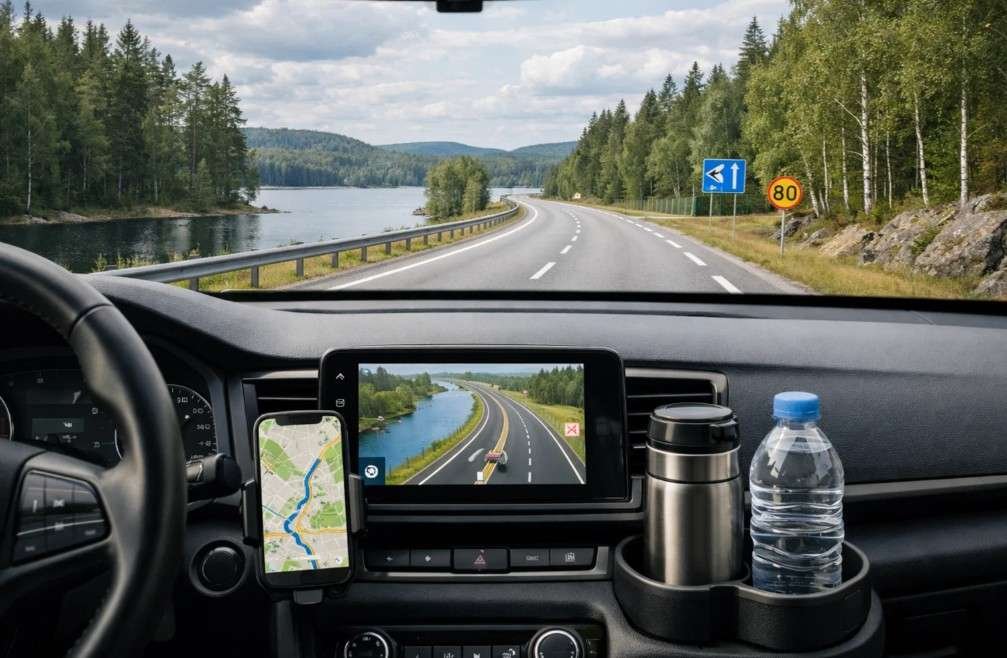
🚦 Roads, Speed, and Driving Style
Swedish driving culture values calm consistency. Following posted limits is the safest approach. Speed cameras are common, making sign awareness essential. On rural roads, watch for wildlife, especially at dusk. If unsure, slow down and allow extra time.
Don’t compare yourself to locals who drive these roads daily. This is travel, not a test. Stop more often than you think you need — it reduces fatigue. In rain or winter conditions, add buffer time even for short distances. Maintain distance and stay relaxed; comfort always beats speed in Scandinavia.
🅿️ Parking, Fuel, and Comfort on the Road
Parking systems are usually logical but require attention to details. Identifying a parking spot early prevents daily stress. Rest areas are frequent and well maintained. In remote regions, refuel before the tank gets low. Keep water, snacks, and charging cables handy — small comforts matter.
Establish simple habits: refuel early, stop regularly, eat without rushing. These routines make long drives pleasant. Picnic spots often outperform restaurants in atmosphere. Sometimes the best soundtrack is silence — letting the landscape lead the experience.
- Offline maps
- Thermos and water
- Snacks for breaks
- Phone charger & holder
- Seasonal jacket
- Extra time buffer
❓ Questions & Answers About Road Trips in Sweden
Yes, choose one region, stay 2–4 nights in one base, and avoid long daily drives.
Around 150–300 km, leaving time for stops and walks.
Both — season defines comfort, interests define the mood.
Yes in summer and holidays; off-season travel is more flexible.
Small towns near nature offer the best balance.
Absolutely — it’s the ideal format for a first experience.

0 comments
Log in to leave a comment