



🗺️ E6 West Coast
🚗 E6: the west coast — a road that shows a different Sweden
The west coast of Sweden along the E6 highway is a route where the road itself becomes part of the experience. It is easy to find a balance here between cities, the sea, and small coastal stops. Traveling along E6 works well both by car and by combining trains with local trips. The route appeals to tourists and Scandinavia residents alike: it suits a long weekend or a full week of travel. The key is not to chase the number of places, but to choose a rhythm that matches the season and your interests. This article helps you plan the trip in a simple, scenic, and stress-free way.
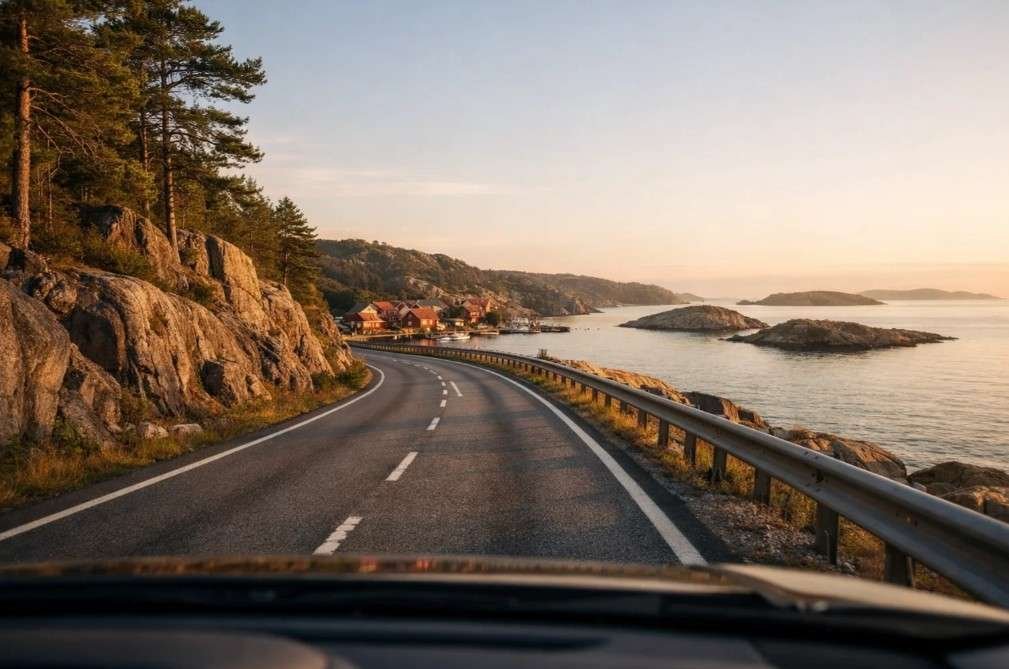
🗺️ What the E6 route is and why it is special
The E6 highway runs along Sweden’s west coast and connects major cities, coastal areas, and the road toward the Norwegian border. Along the way, it is easy to switch between urban life, sea views, and natural stops. For a first introduction to Sweden, this is one of the most approachable and beginner-friendly routes. There are many places where you can spontaneously turn off toward the water, a harbor, or a viewpoint. Logistics are simple: good roads, clear navigation, and plenty of accommodation options. E6 also fits perfectly with the idea of slow travel, where the journey matters as much as the destination.
🧭 What you will see along the E6
The west coast combines cliffs, pine forests, bays, and calm sea horizons. Along the route there are many small coastal towns that invite you to stop for a coffee and a walk. In good weather, you naturally linger by the water, watching boats in the harbor. On cloudy days, the scenery becomes distinctly Nordic, with granite and sea looking especially dramatic. This is a road where scenic rest comes naturally.
For first-time travelers, the convenience is that everything is close and easy to manage. Distances are not exhausting if you avoid overpacking your days. The route works for any budget, from simple hotels to cozy cabins. Cities offer strong infrastructure, while the coast provides space and quiet. This balance is rare to find in a single direction.
For Scandinavia residents, E6 is appealing because it can be rediscovered in every season. Summer brings islands and swimming, autumn adds food and long walks, winter offers calm spas and cozy evenings. Familiar places feel different depending on the light and weather. That is why the route never really gets old and works equally well for a weekend escape or a short holiday.
Quick route overview
- Format: road trip or a combination of trains and local excursions
- Pace: best with 1–2 main bases and day trips
- Highlight: sea views, coastal stops, relaxed cities
- Good for: first-time visitors to Scandinavia and those looking to unwind
🌦️ How to choose an E6 route by season and interests
The west coast has a pleasant ability to change character with the seasons. In summer, it is all about the sea, swimming, islands, and long evenings. Spring and autumn are perfect for walking, city breaks, and local food without crowds. Even winter works if you focus on comfort, short drives, and cozy stops. Choose not only your dates, but also the mood you want: active days outdoors or relaxed city time. It is best to decide in advance what matters most to you: scenery, food, walking, or family-friendly comfort.
☀️ Summer: sea, islands, and long daylight
Summer is the easiest season to plan along the E6. The weather is usually pleasant, and daylight lasts well into the evening. Leave room for spontaneous stops by the water and small harbors. This is the season for islands, boats, beaches, and evening walks. Popular places can be busy, so early starts and advance accommodation bookings help.
In summer, a “base plus day trips” setup works best. You avoid packing every night and keep your energy high. Families benefit from shorter drives and more breaks. Couples can add more viewpoints and sunset stops. Always keep at least one unplanned day.
Cities and nature combine especially well in summer. Mornings suit coffee and walks, afternoons fit the coast, evenings are for relaxed dinners. Avoid planning three major activities in one day. On the west coast, atmosphere matters more than checklists.
🍂 Spring and autumn: walks, food, and calm
In the shoulder seasons, the west coast becomes quieter and more local. This is ideal if you prefer fewer people and a slower pace. Weather can change quickly, so layers and a backup plan are important. But this light and sky often make the sea and cliffs look their best. Cities also feel more personal, as if you are briefly living there.
Spring and autumn are perfect for short outings: drive in the morning, walk during the day, cozy dinner in the evening. Focus on indoor-friendly spots with scenic walks nearby. Markets, cafés, museums, and waterfront promenades work especially well. With a car, you can chase better weather along the coast. Flexibility is the key.
For first-time visitors, these seasons can be ideal. Roads are calmer, accommodation is often better priced, and experiences remain rich. Just plan fewer stops per day and wear comfortable shoes. And do not worry about the wind — it is part of the west coast character.
Sea, islands, and long evenings. More visitors — start early and book your base in advance.
Calm, walks, and gastronomy. Choose a flexible plan and keep an indoor backup option.
Cozy stays, spas, and shorter drives. Focus on a comfortable base and seaside walks.
🏡 Where to base yourself: overnight logic along the E6
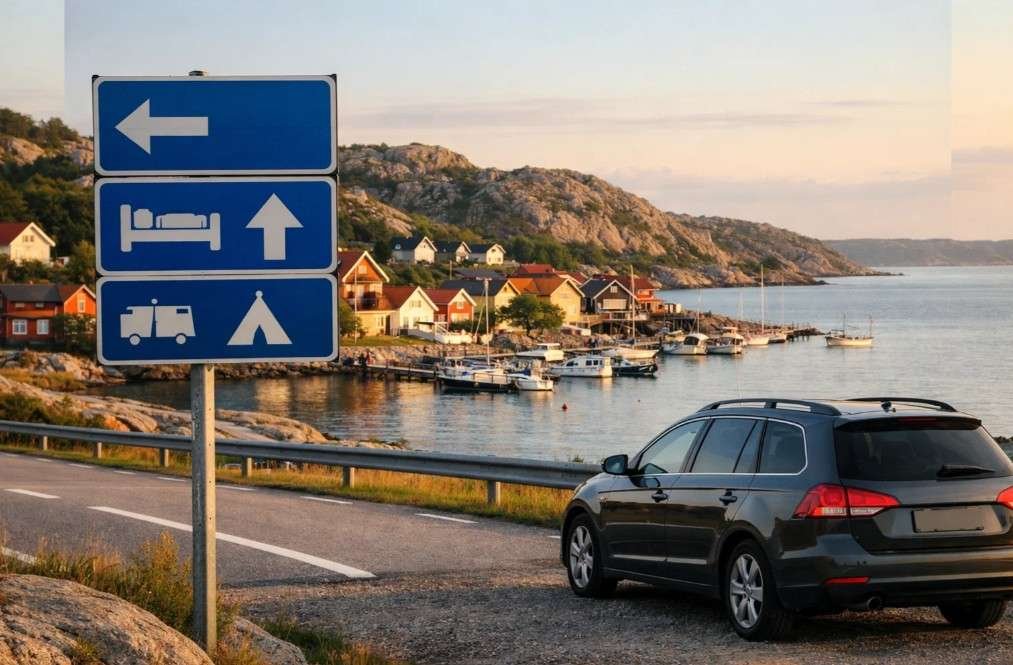
A common beginner mistake is changing accommodation every night. Along the E6, it is far better to choose one or two bases and explore from there. This saves energy and time and makes the trip feel calmer. A base helps you experience a place instead of just passing through it. For short trips, one base is usually enough; for a week, two bases work best. Ideally, choose places with good infrastructure and pleasant evening walks.
🏙️ One base: ideal for 3–4 days
With a short trip, one base is the simplest and most relaxing option. You reduce stress and maximize rest, especially on a first Scandinavian trip. Each morning you can drive in a different direction and return to familiar surroundings. This works well if you want a mix of city life and coastal scenery. You are not dependent on reaching the next hotel every night.
In this setup, avoid very long day trips. Choose two medium-distance outings and one easy day nearby. Leave time for aimless walks and spontaneous coastal stops. In good weather, days naturally stretch longer. That is part of the charm. The key is resisting the urge to see everything.
For travelers without a car, one base is also practical. You can adapt to public transport schedules and travel light. Evenings stay relaxed, with cafés and restaurants close by. The next day, you head out again without packing.
🧳 Two bases: perfect for a full week
A week allows you to add a second base without stress. One base can be closer to the southern part of the route, the other further north. This reduces long back-and-forth drives. A single mid-week transfer feels manageable and adds to the travel experience. You also get to see different coastal atmospheres.
Two bases work especially well if you alternate active and relaxed days. One day for city exploration, the next for nature and waterfront walks. This keeps the trip enjoyable rather than exhausting. Plan transfers during the day, not late in the evening. And keep at least one evening completely free at each base.
For families and first-time visitors, two bases offer a good balance. Enough variety without constant packing. You maintain a sense of home while expanding your range. It also helps with budgeting, as you can mix different accommodation styles.
Overnight stays without unnecessary fatigue
1 base + day trips. Minimal packing, maximum ease.
2 bases + one mid-trip move. More variety without stress.
Tip: plan transfers during the day so the travel does not take over the evening.
⏱️ How much time to plan for an E6 trip
Time on the E6 is not about distance, but about how often you stop just because it looks beautiful. The minimum format is a long weekend or 3–4 days to get a true coastal feel. The ideal first trip is around 7 days, allowing for pauses and changing weather. Ten days give you extra comfort and flexibility. Plan so that every second day feels lighter than the previous one. Always leave room for spontaneity — it often creates the best memories on the west coast.
🗓️ 3–4 days: short but rewarding
A short trip works if you avoid covering the entire coast. Choose one base and explore nearby areas. One city-focused day, one nature-focused day, and one mixed day is a good rhythm. You will see different sides of Sweden without exhaustion. And the trip will still feel like a break, not a checklist.
Discipline matters in short trips: fewer stops, higher quality. Long walks beat long to-do lists. Families should allow extra time for meals and rest. Couples can plan relaxed evenings and scenic dinners. These details make the experience memorable.
This format is also perfect for Scandinavia residents. A weekend escape brings a complete change of scenery without complex planning. It also works well as a test run before a longer journey. And it often leaves you wanting more.
🗓️ 7–10 days: a comfortable first experience
A full week offers the best balance between variety and rest. Two bases reduce daily driving and open more options. You gain freedom to adapt to weather and mood. One day can be fully relaxed without guilt. This pace helps you absorb the coast beyond surface impressions.
Ten days give you extra breathing room. You can add small towns, markets, cafés, and museums. There is time for aimless drives and unplanned stops. For beginners, this means less stress and more enjoyment. Sweden reveals itself better at this speed.
Plan rest intentionally: every third day should be lighter. This is especially important if you drive. The Scandinavian rhythm rewards calm pacing. And the west coast always feels better when you slow down.
🧭 Practical tips for your first E6 trip
If this is your first time in Scandinavia, keep things simple. A car is the easiest way to travel, but a single-base trip also works without one. On the road, basic habits help: start early, take breaks, and avoid minute-by-minute schedules. Layered clothing is essential, especially by the sea where wind changes everything quickly. Parking and city rules are manageable if you allow extra time. And never fear empty hours — they are often the highlight of a west coast trip.

🚘 Car or public transport: what is easier
With a car, you gain flexibility. You can stop by the water, visit harbors, and ignore timetables. For beginners, this often feels safest and most comfortable. Without a car, choose a well-connected base and limit daily travel. The route still works, just at a calmer scale.
When driving, plan breaks every 1.5–2 hours. This keeps energy high and makes the journey enjoyable. Share driving if possible and allow photo stops. Along the E6, the journey itself is the experience. Less rush means more beauty.
Without a car, planning is key. Check schedules and keep daily plans light. But once set, travel remains smooth and scenic.
🧥 What to pack and how to handle the weather
The key west coast rule: always carry wind protection. Even in summer, coastal air can feel cool. Comfortable shoes matter more than stylish ones, as walking is constant. A thermos or reusable bottle helps on the road. Always have a backup plan for rainy moments.
With children, keep warm layers and snacks handy. For couples, small comforts like a picnic blanket or power bank go a long way. These details turn simple stops into special moments. You will naturally choose nature over malls.
Do not fight the weather — adapt to it. The west coast is beautiful in sun and clouds alike. Some of the most atmospheric views appear on grey days. And a seaside café makes rain look almost poetic.
Pre-trip mini checklist
❓ Questions and answers
Yes, it is easy to plan and offers a gentle introduction without overload.
3–4 days work well, while 7 days provide a relaxed and balanced experience.
No, but a car gives more freedom and access to coastal stops.
Spring and autumn are calmer, more affordable, and very atmospheric
Two bases are usually ideal to avoid long daily drives.
Plan no more than 1–2 main activities per day and leave time to simply enjoy the views.

0 comments
Log in to leave a comment