



❄️ Lapland: Kiruna–Abisko
🧭 Lapland at an Unhurried Pace: the Kiruna—Abisko Route
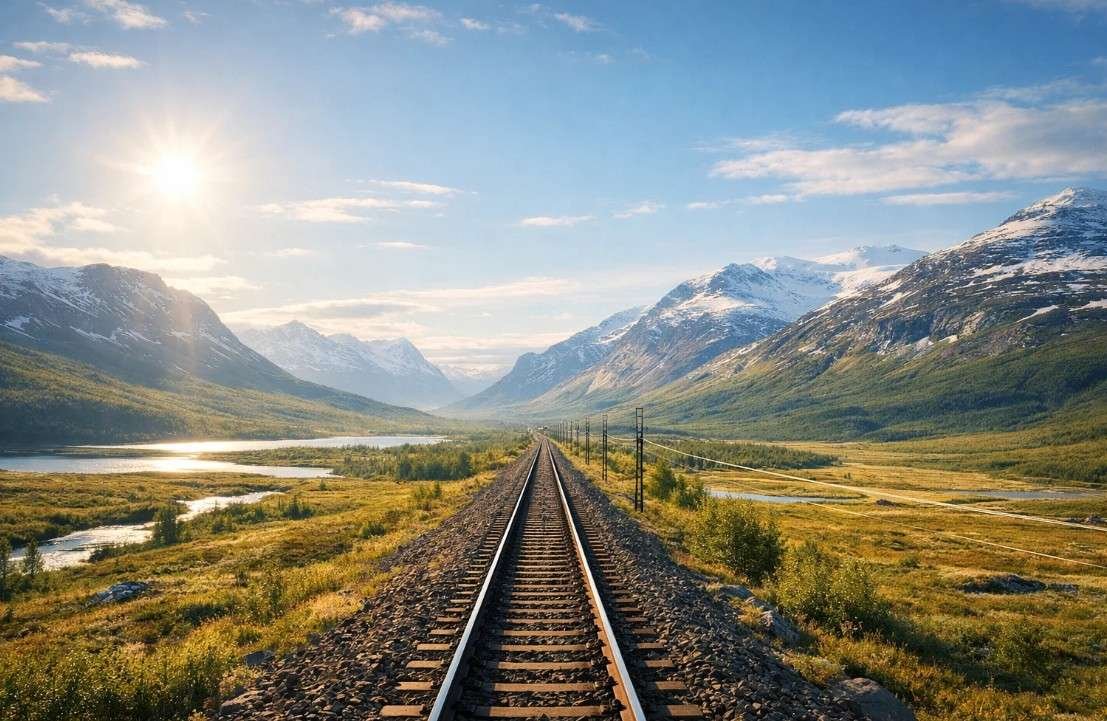
The Kiruna—Abisko route is considered one of the clearest ways to experience northern Sweden without complicated logistics. It combines urban infrastructure and wild nature in a single direction. Transfers are short and easy to understand even for a first trip to Scandinavia. It’s easy to feel the scale of Lapland here without a sense of isolation. Landscapes change smoothly, and the pace of travel can be adjusted to your preferences. This route suits both international travelers and Scandinavia residents looking for a reset.
🌲 Why This Pairing Works
The first advantage of the route is the simplicity of moving between locations. Trains or buses connect Kiruna and Abisko without transfers or complex planning. Even with minimal preparation, the route remains intuitive. This reduces stress and allows more freedom in choosing activities. A car is not required. That’s why beginners often choose this route.
The second benefit is the contrast of experiences. Kiruna provides a base, services, and excursions. Abisko offers silence, mountains, and a national park. Switching between these formats makes the trip feel dynamic. There’s no sense of repetition. Each day feels different.
The third reason is versatility. The route works in winter, summer, and shoulder seasons. It easily adapts to different interests. You can focus on nature, photography, or relaxed walks. It’s a rare case where the North doesn’t demand an extreme approach.
❄️ How to Choose a Season Based on Interests
Choosing the right season in Lapland directly affects your impressions of the route. There is no universal time that suits everyone. Each season brings its own character to the trip. It’s important to understand in advance what kind of experience you’re looking for. This helps avoid unrealistic expectations. The Kiruna—Abisko route adapts well to different seasons. The key is choosing the right focus.
🌌 Winter, Summer, and Shoulder Seasons
Winter suits those who dream of the northern lights and snowy landscapes. Days are short, but the atmosphere is especially striking. Activities focus on nature and light. The pace of travel becomes slower. This is a time of silence and contrast.
Summer is the best option for hiking and long walks. The midnight sun provides abundant light and a feeling of endless time. Nature reveals itself in detail. Temperatures are comfortable for movement. This is the season for active travelers.
The shoulder seasons suit those seeking solitude. There are fewer visitors, and the rhythm is calmer. The weather can be changeable, but that’s what creates the true northern atmosphere. The trip becomes more intimate. Flexibility in plans is key.
🏔 Where to Base Yourself: Kiruna or Abisko
Your choice of base shapes the rhythm of the entire trip. These locations serve different purposes. Kiruna offers logistics and comfort. Abisko focuses on nature and immersion. Often, the best solution is a combination of both. Everything depends on your timing and travel goals. Mistakes are easy to avoid with clear priorities.
🏨 City vs National Park
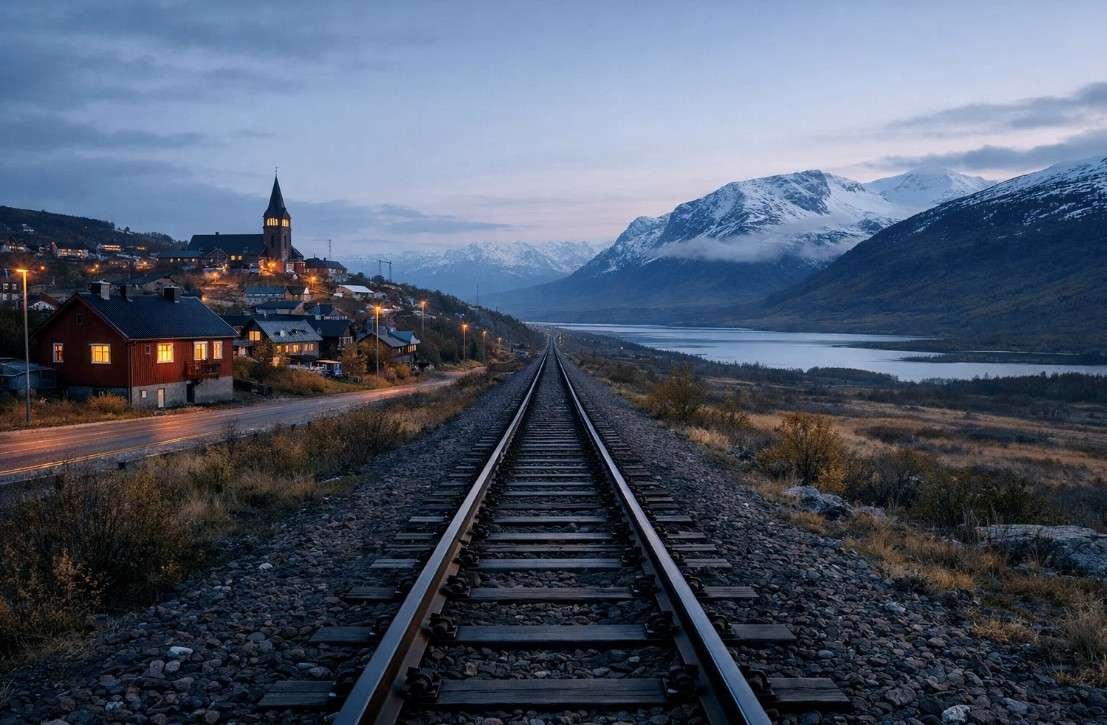
Kiruna works well as a starting point. It’s easier to adapt to northern conditions here. There’s a wider choice of accommodation and excursions. Day trips are easy to organize. It’s a solid option for the first night. The city provides a sense of security.
Abisko is about slowing down. Many trails start right outside your accommodation. There’s no need to travel anywhere in the evening. Nature becomes part of everyday life. This is especially valuable in winter and summer. It’s easy to disconnect here.
Combining both bases creates the best balance. A couple of nights in Kiruna and a few in Abisko work well. The transfer takes little time. The trip remains varied and engaging. This format suits most travelers.
⏳ How Much Time to Plan for the Route
Trip length strongly affects how Lapland is perceived. A very short visit can feel incomplete. A long stay requires more planning. The Kiruna—Abisko route is flexible in timing. It can be adapted to different vacation formats. The key is not to overload your days. The North values pauses.
📅 Finding the Right Travel Rhythm
The minimum option is two to three days. It works for a first introduction. In this case, it’s better to choose one base. The program will be compact. You’ll still get the main impressions. However, downtime will be limited.
Four to five days is the optimal choice. You can split nights between Kiruna and Abisko. There’s room for relaxed walks. No need to rush transfers. The rhythm becomes comfortable.
With a full week, the route can be expanded. Additional trails or excursions can be added. You gain flexibility to adjust to weather conditions. The experience becomes deeper. This option is for those who want to live the North, not just see it.
🎒 Practical Tips Before You Go
Even a simple route requires basic preparation. Northern Sweden isn’t about spontaneity in the details. Small mistakes can affect the experience. Fortunately, most issues can be handled in advance. Climate and logistics are the main factors. Preparation here is part of comfort. This is especially important for a first Scandinavian trip.
🧤 What to Plan Ahead
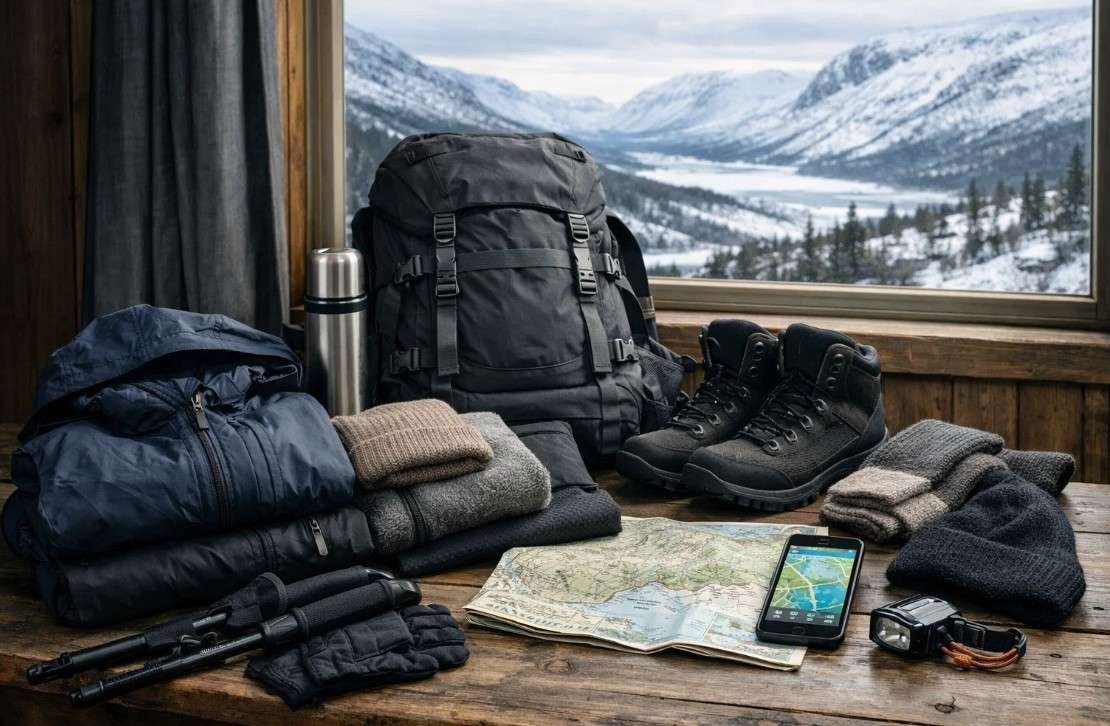
Clothing should be layered in any season. Weather changes quickly. Wind protection is essential. Waterproof footwear is recommended. This applies even in summer. Comfort directly shapes your impressions.
Accommodation in Abisko should be booked early. Options there are limited. Kiruna offers more choice, but demand rises in peak seasons. Transport between locations is reliable. Still, schedules should be checked in advance. This helps avoid unnecessary waiting.
Plan days with buffer time. Avoid filling every hour with activities. The North reveals itself in pauses. Leave room for aimless walks. That’s what makes the trip feel real. This is why people come here.
❓ Questions & Answers
No, trains and buses fully cover the route.
Yes, it’s simple, logical, and doesn’t require extreme experience.
From late September to March, especially around Abisko.
Yes, summer is ideal for walking and national parks.
Planning 4–5 days is optimal.

0 comments
Log in to leave a comment