



🌊 Island-hopping
🌊 Islands and Ferries — the Rhythm of Sweden
Island travel in Sweden is not just about getting from one place to another, but about slowing down and feeling the Nordic pace. Ferries are often part of the experience: wind, water, a seagull above the deck, and soft northern light. Even a short crossing can feel like a small adventure between the mainland and another world. For tourists, it is an easy way to explore archipelagos and coastal landscapes, while for locals it is a familiar but still beautiful weekend ritual. The key is to understand what you want from the trip: activity, nature, food stops, or quiet time. With that clarity, the route feels natural and unforced.
🧭 Where to Start an Island Route
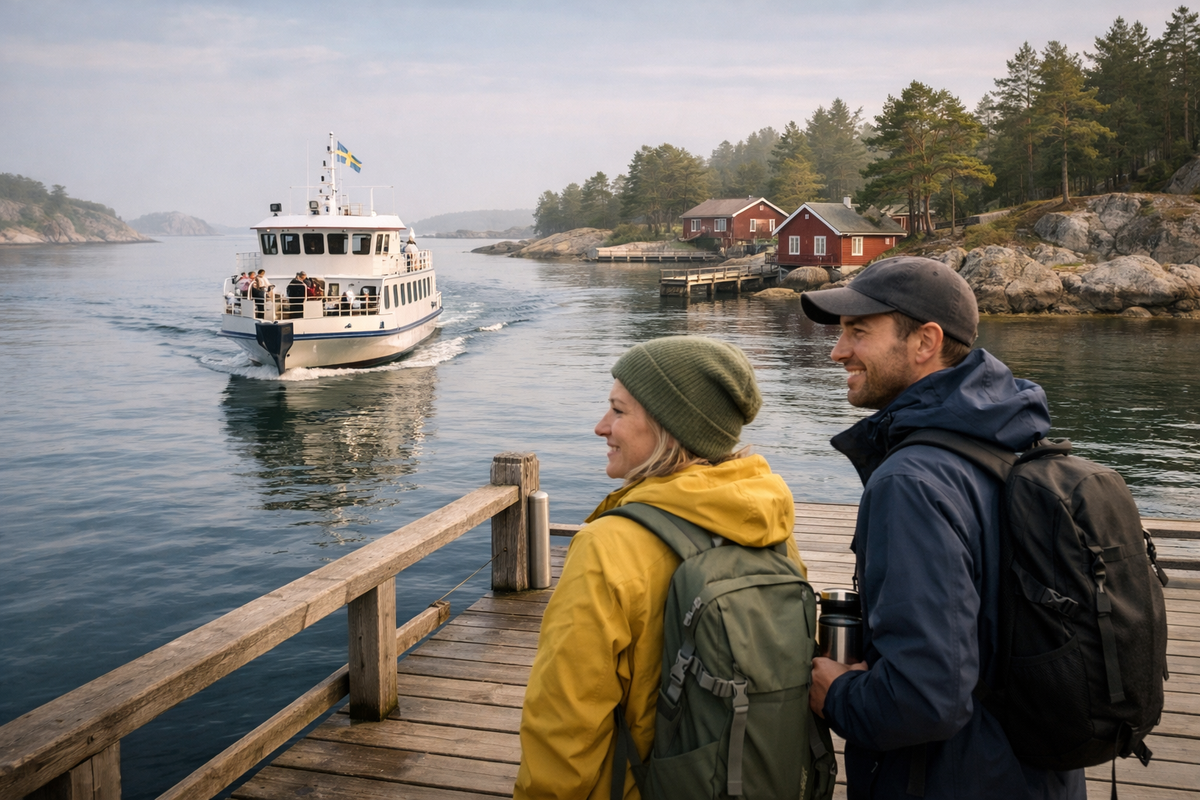
The first step is choosing the feeling of the trip: a dynamic route with several islands or a calm stay in one place. For first-timers, it is easier to plan ferries as either the start or the highlight of the day, not as a chain of constant transfers. Think about how much time you are comfortable spending on the water and how important flexibility is for you. The less you chase schedules, the more relaxed the journey feels. Ideally, plan only one main crossing per day and build the rest of the day around it.
Next, decide what matters most: views, walking, museums, beaches, fishing villages, or cafés by the water. If you want postcard landscapes, allow time for pauses without a strict goal. If activities are your priority, leave room for weather changes, snacks, and rest. Families and first-time visitors benefit from simple logistics and no late-night returns. This keeps the trip enjoyable instead of stressful.
Finally, leave space for spontaneity. Often the best moments come from an unexpected pier, a small path, or a bakery near the harbor. Do not try to see everything in one day — islands reward a slower pace. Plan at least one open slot with no obligations. That quiet pause often becomes the warmest memory of the trip.
🍃 How to Choose an Island Route by Season and Interests
Summer is the main island season, with frequent ferries, long daylight hours, and outdoor activities. Spring and early autumn are perfect for those who enjoy calm, fresh air, and everyday local life. Winter travel is possible too, but it is better to choose routes with simple logistics and less dependence on weather. The season affects not only temperature but also rhythm: long summer evenings versus cozy off-season days. Your interests are the real filter: hiking, kayaking, food, or simply silence. The more honest you are about why you are going, the better the route fits.
🌦️ Seasonal Choices Without Mistakes
In summer, focus on islands with walking paths, beaches, and cafés where you can stay out late without rushing. In shoulder seasons, choose places where strolling and warming up indoors is enjoyable even if it rains. Always consider wind: it feels colder on the water than in the city, especially in spring and autumn. A common beginner mistake is planning too many activities without weather buffers. Fewer plans with more flexibility usually work better.
Nature lovers should look for islands with trails, viewpoints, and picnic spots. Food-focused travelers will enjoy islands with fish restaurants, smokehouses, and small local shops. If atmosphere matters most, choose islands with small harbors and historic streets. Photographers benefit from early mornings and soft northern evenings. Families and relaxed travelers should plan one main island and minimize transfers.
A useful rule is to let interests decide and let the season adjust details. If kayaking is the goal, choose warmer months and calm forecasts. If walking and cafés are enough, the season matters less than clothing and timing. Think about how long you want to stay outdoors and build your plan around that. In Scandinavia, comfort often matters more than ticking boxes.
⛴️ Ferries as Part of the Journey, Not Just Transport
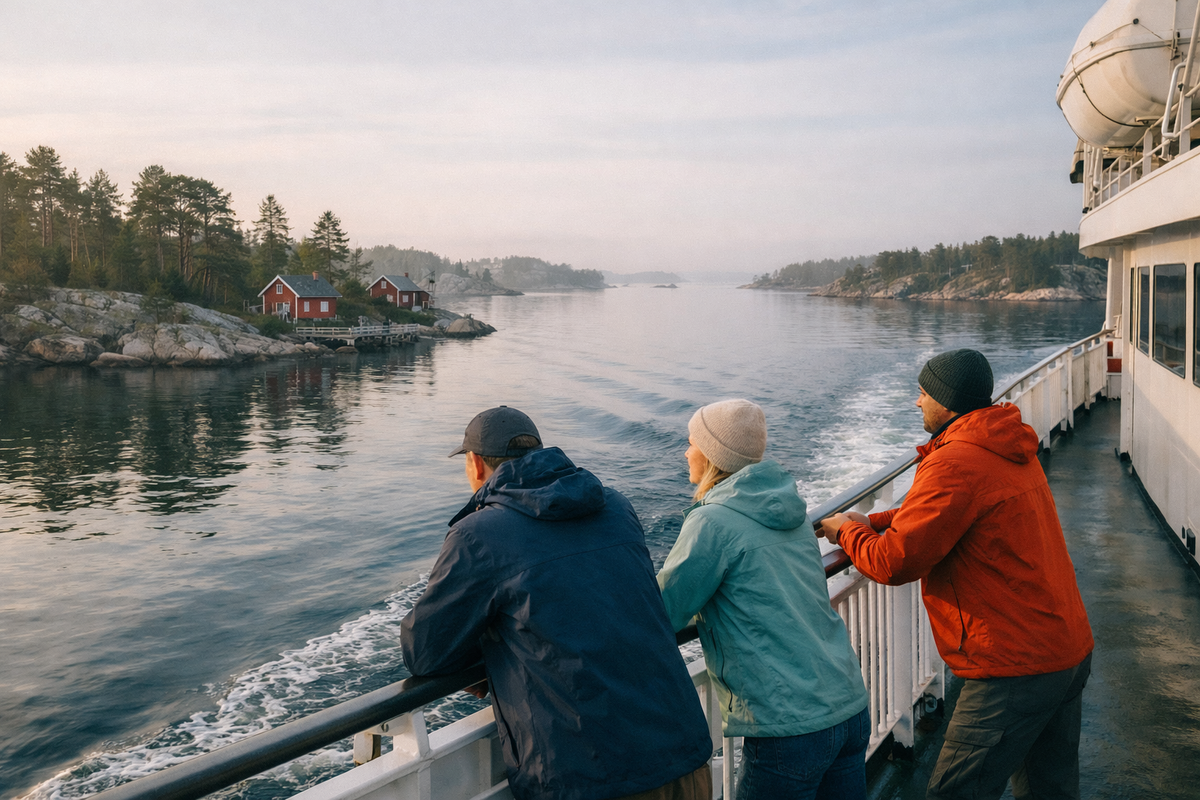
In Sweden, ferries often feel like public transport but look like a mini cruise. On many routes, you simply arrive at the pier, board, and soon step onto an island. Schedules and weather matter, especially outside peak season. For first-time visitors, it helps to treat the ferry as the main event of the day rather than a rushed connection. Ferry rides offer views of the archipelago that you never see from land. Sometimes the crossing itself becomes the highlight.
🧾 How to Read Schedules Without Stress
Plan your day so that you have at least one later return option. This removes pressure and allows you to stay longer if you like the place. Outside summer, avoid relying on the very last ferry. Try not to stack several crossings in one day unless you are confident with timing. One main crossing plus island time works best for beginners.
If traveling with children or luggage, choose direct routes and piers with clear facilities. Without a car, check walking distances from the pier in advance. With a car, allow time for boarding queues, especially in high season. Short crossings can still be busy. Fewer bottlenecks mean a calmer day.
Bring a windproof layer, water, and a small snack on board. For photos, stand near the rail when approaching the island. In bad weather, treat the ferry as a rest break. It is a natural pause between walks and activities. Let the journey add to the experience, not drain it.
🏠 Where to Base Yourself: Island or Mainland
Choosing a base defines the comfort of your island trip. A mainland base offers more accommodation options, shops, and evening choices. Staying on an island gives a true sense of calm, especially early mornings and late evenings. A combination often works best: a few nights in town, one on an island. Season matters too: islands shine in summer, while shoulder seasons can feel cozier with a mainland base. Frequent accommodation changes are more tiring than expected.
🧩 Overnight Logic That Saves Energy
For a first trip, choose one base and add one or two island day trips. This keeps logistics simple. If you love quiet mornings, consider at least one island night. You will experience the place after day visitors leave. Avoid moving every night unless you know your pace well. Islands reveal themselves slowly.
With a car, island bases can be convenient for short drives and walks. Without a car, choose places where the pier, accommodation, and routes are close together. Locals often use the “Friday evening island, Sunday return” model — a good template for visitors too. For short visits, mainland plus one island night is usually ideal.
As a rule, the shorter the trip, the more stable the base should be. One day means mainland plus one island. Two to three days allow one island night. A week allows more island focus with rest days. In Sweden, a calm pace is not lazy — it is the right way. That is what makes you want to come back.
⏱️ How Much Time to Plan for Islands and Ferries
Island trips scale easily to any length. For one day, choose a short crossing and one island to allow time for walks and breaks. Two or three days allow an overnight stay without daily moves. A week works best with alternating active and relaxed days. A common mistake is treating islands like checklist attractions. Fewer places with more time feel better.
⏳ A Simple Time Formula for Beginners
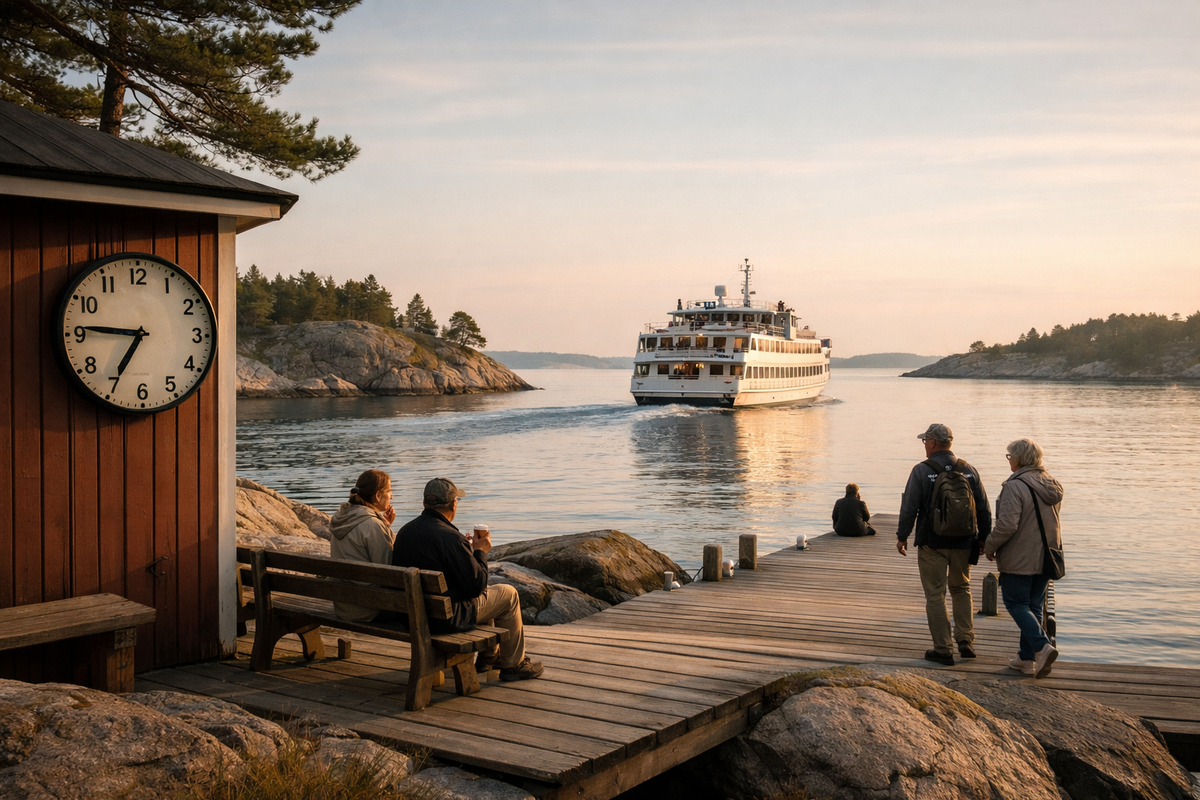
For a day trip, plan one main crossing and at most one short extra transfer. This keeps the pace relaxed. Add a long break for lunch or coffee instead of constant movement. Expect to walk slower on islands — stopping is part of the experience.
With two days, balance one island-focused day and one lighter city day. Three days allow one island night and an unhurried morning. Keep the last day flexible for return travel. A gentle ending leaves the best impression.
For a week, use a 2+1 rhythm: two active days, one easy day. Leave room for weather changes and unexpected favorites. Crossings may look simple but can be tiring in wind. Plan comfort, not endurance. That way every day feels good.
🎒 Practical Tips for a First Island Trip
Layered clothing matters more than a perfect plan. Choose shoes suitable for both piers and paths. Pack light but keep a windproof layer, water, and a snack. In high season, morning departures are calmer. One clear route works better than many ideas. And always leave time to sit by the water — that is where the Nordic magic lives.
🧠 How to Keep the Trip Easy and Comfortable
Prepare an “island kit”: windbreaker, warm layer, water bottle, snack, phone charger. Small things make a big difference on the pier. Even in summer, a hat or buff helps against wind. Weather feels different on the water, especially in the evening. Comfort shapes memories.
Plan meals so you are not dependent on chance. Either book a table or have a backup option. Popular places can fill up quickly. For photography, allow pauses without goals. With children, fewer locations and more time per place works best. Calm days feel longer and happier.
Do not rush Scandinavia. A slower pace is part of the culture and the pleasure. Simplify if you feel overloaded. Allow yourself not to see everything. You will still feel the place. And that is what matters most.
- Windproof layer: it is always cooler on the water.
- Comfortable shoes: piers and paths in one day.
- Water and snack: independence from queues and timing.
- Time buffer: always plan one extra return option.
- One main plan per day: less logistics, more enjoyment.
❓ Questions & Answers
Often no, but in high season it is wise to keep time alternatives in mind.
Yes, many routes work well on foot and with local transport if chosen carefully.
One to three days is ideal, starting with a single island trip.
Summer is the most predictable, while spring and early autumn are calmer.
Do not overload the route and always keep a time buffer for return ferries.
Yes, a simple base plus one island is a perfect and memorable introduction.

0 comments
Log in to leave a comment