



🧭 Routes & Itineraries
🧭 Why Sweden Is Easy to Travel Around
Sweden is an ideal country for a first introduction to Scandinavia. It is easy to combine cities, nature, and water within a single itinerary. Transport and navigation are usually clear even for first-time visitors. You can easily adjust the pace of your trip without rushing. The country is safe and welcoming for travelers. The key is to choose your rhythm early and avoid overloading your plans.
✨ What Makes a Route “Simple and Enjoyable”
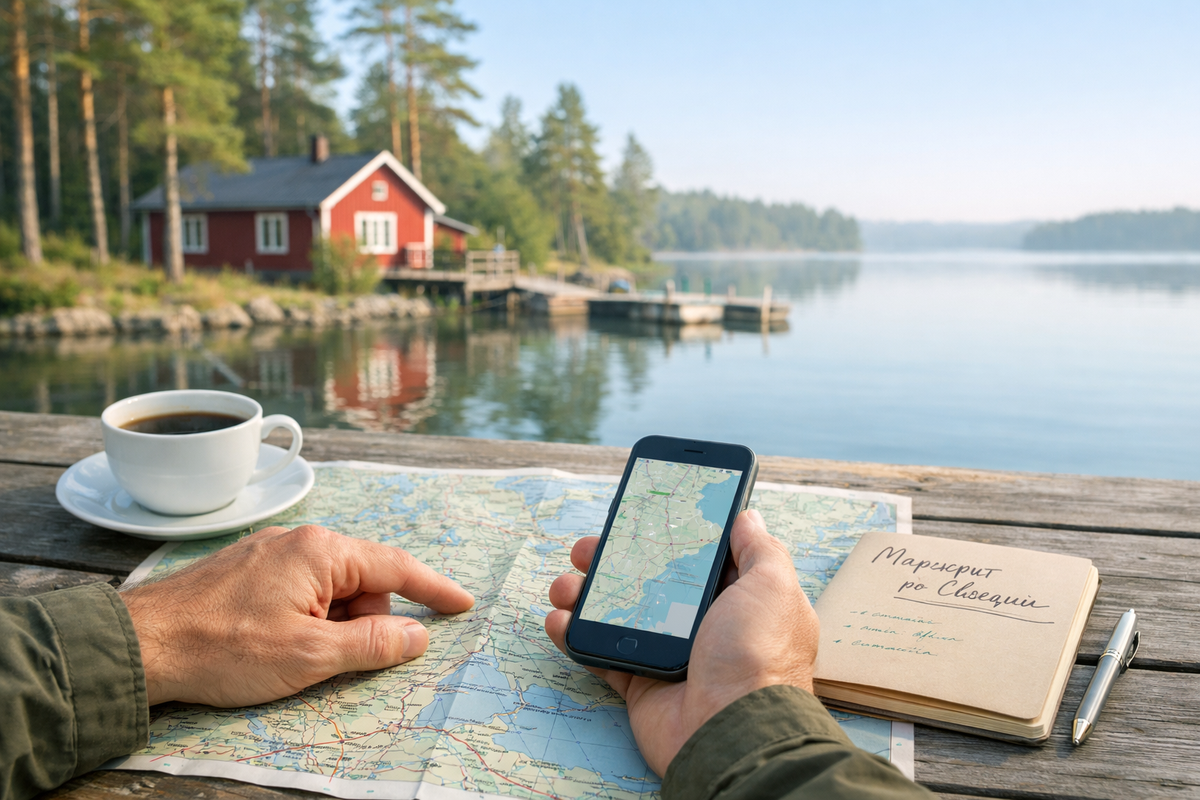
Sweden allows you to travel calmly because the logic of moving between places is usually obvious. Many destinations are connected by trains, buses, and ferries without complicated transfers. Cities are easy to explore on foot and by public transport. Natural areas often have marked trails and clear signage. This reduces stress and leaves more time for real experiences.
For tourists, predictability and comfort matter — and Sweden delivers both. For Scandinavians, it is a convenient “quick escape” for weekends or holidays. Even a short 3–4 day route can feel rich without being exhausting. The secret is to leave “open windows” for walks and weather changes. Then the trip feels like rest, not a marathon.
If you are unsure, start with the formula “one city + one nearby nature spot.” This helps you feel the country and understand your personal pace. Later, you can add a second base or a longer transfer. Sweden truly reveals itself through details: waterfronts, islands, forest paths, and small cafés. These details are often what stay in memory the longest.
🗺️ Where to Start Planning Your Route
Start with a simple question: why are you going to Sweden? Your goal defines the route, the season, and the budget. Decide early whether you want more city life or more nature. Then estimate the length of your trip and a comfortable travel pace. Choose one “base” to avoid changing accommodation too often. After that, planning becomes easy and even enjoyable.
🧩 Quick Formula: Goal → Days → Base → Stops
First, write down 3–5 wishes: museums, walks, “fjord-like” feelings, northern landscapes, food experiences. Then honestly assess how many hours per day you are willing to spend on the road. For a first trip to Scandinavia, it is better to leave more time for walking than for transfers. A large city often becomes the base, from which day trips are easy. This way, experiences are layered rather than scattered.
Next, choose 2–4 key spots around your base that are realistically connected by transport. Look not only at distance, but at actual travel time. Leave room for weather and spontaneous decisions. A good rule is one main activity per day plus a “light” walk. This keeps the route relaxed and not exhausting.
The final step is to spread everything across days and check the logic of the route. If something feels doubtful, remove one stop and add rest time. In Sweden, it is pleasant to stay longer in places you truly enjoy. Beginners often try to see everything, but those who slow down usually win. In the end, there are more impressions and less fatigue.
🧩 3-Minute Step-by-Step Plan
1) GoalCity / Nature / Mix
2) DaysPace and travel time
3) BaseOne hub + day trips
🌦️ Seasonality and Logistics
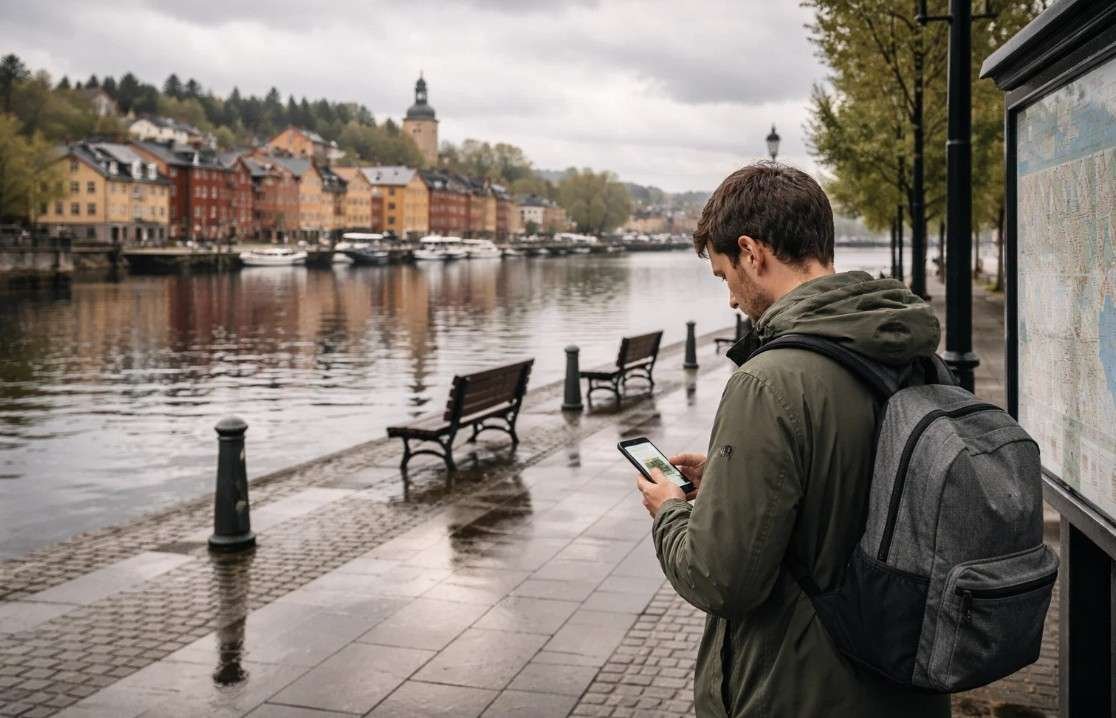
In Sweden, the season changes not only the weather but also the rhythm of travel. Summer brings long daylight hours, making it easier to plan long walks. Winter has a special atmosphere, but days are shorter and timing becomes more important. Shoulder seasons are often calmer and more affordable. Some routes require flexibility due to weather. That’s why it’s better to choose the season based on interests, not habit.
🕰️ How the Season Affects Routes and Schedules
In summer, it is easier to combine city and nature in one itinerary. Many activities can be done in the evening thanks to long daylight. Popular places may be busier, so booking ahead helps. On the other hand, logistics are simpler and options are wider. This is an excellent choice for a first trip to Scandinavia.
In winter, it is better to choose routes with short and clear transfers. Plan your day so outdoor activities fall within daylight hours. Leave buffers for weather changes and possible delays. Warm breaks in cafés and museums become part of the experience. This format suits travelers who enjoy coziness and a slower pace.
In the shoulder seasons, checking schedules and opening hours in advance is essential. Some destinations may have fewer departures than in summer. The atmosphere is more intimate, and prices are often softer. Having both Plan A and Plan B is especially useful during rainy days. With flexibility, shoulder season can become the most pleasant surprise.
🧭 Main Route Formats
Choosing a route format helps quickly understand what you want from your trip. In Sweden, city, nature, and mixed itineraries all work well. The choice depends on time and how much you enjoy moving around. The most beginner-friendly option is “one base + short trips.” Active travelers may prefer routes with multiple stops. The key is not to turn the journey into a checklist.
🧰 City, Nature, and a Balanced Mix
A city-based format saves time on transport. It works well for short trips and bad weather. Within one city, it is easy to fill days with museums, neighborhoods, and waterfront walks. Such a route is easy to control and adjust on the go. It is a great first step into the country.
A nature-focused route reveals Sweden through forests, water, and silence. It suits those who want more walking, trails, and views. Here it is important to understand distances and transport access in advance. Choosing 1–2 nature spots is better than trying to “collect everything in the north.” Then nature inspires rather than exhausts.
A mixed format is the most versatile and popular. You stay in a city and take trips to archipelagos, natural areas, or small towns. This creates variety without constant packing and unpacking. It is important not to fill every day to the limit. Space for spontaneity is what makes a route feel alive.
🏙️ City
Minimal transfers, maximum convenience.
🌲 Nature
Trails, water, and silence first.
🧩 Mix
One base + trips, balanced experience.
🧠 How to Build a Route Quickly and Avoid Mistakes
It is better to build a route in layers, not all at once. First, choose a base, then add nearby stops. After that, check real travel times and schedules. Finally, remove anything unnecessary without regret. This approach saves energy and money. It also makes the trip feel calmer even before departure.
✅ “Click-Based” Planning: Simple and Practical
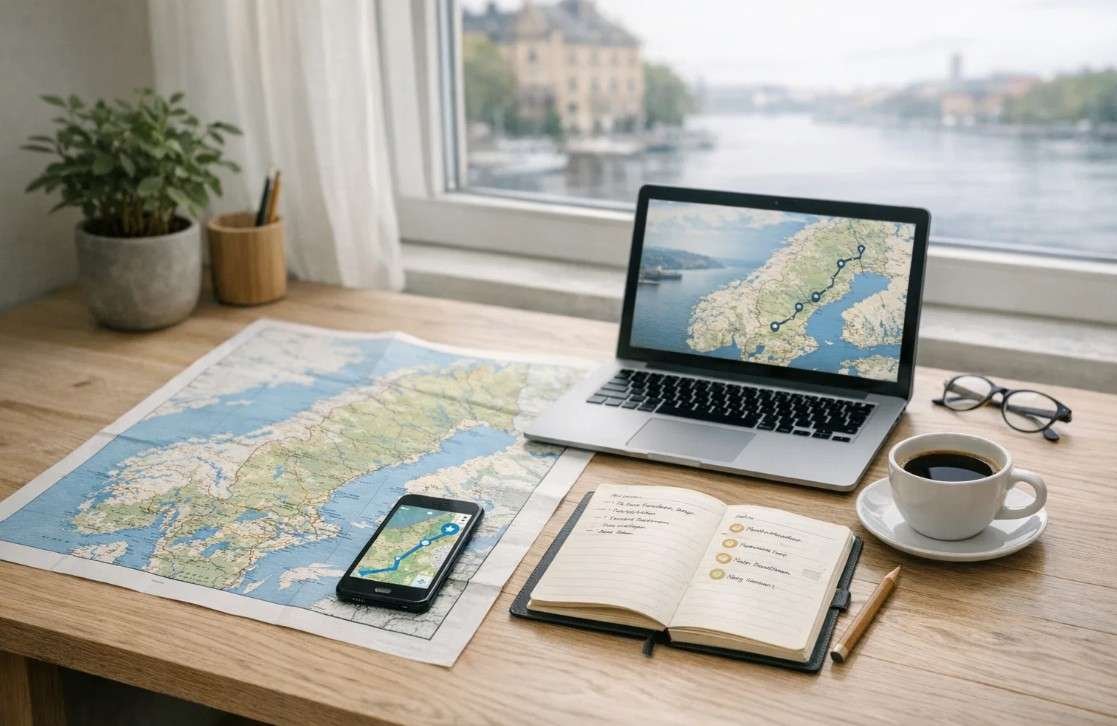
Start with a map and mark only the places you truly want to see. Then check how to get between them in reality, not “by eye.” Compare transport options and choose the most reliable one. Add buffer time for transfers and rest. This makes the route realistic and stress-friendly.
A common mistake is planning too many long-distance stops in a row. Another is assuming travel days do not consume energy. It is better to plan light evenings after transfers. A third mistake is leaving no room for weather. When you leave space, the trip starts working for you.
Before booking, walk through the route like a script. Imagine where you have breakfast, how you move, and what you do in the evening. If there are too many jumps, the day is overloaded. Remove one item and add time near the water. In Sweden, these pauses often become the best moments of the trip.
🧩 Different Travel Styles and Special Needs
Traveling in Sweden is easy to adapt to different situations. It is comfortable for families because infrastructure is well thought out. Traveling with pets is often possible if rules are checked in advance. For travelers who need accessibility, many cities and transport options are already prepared. The key is to plan a comfortable pace and simple logistics. Then the trip works for everyone.
👨👩👧👦 Children, Pets, and Accessibility Without Stress
With children, it is best to choose one base and short trips. Plan one “main” activity per day and leave time for playgrounds and rest. Walks near water and parks work especially well. Daily rhythm matters more than the number of attractions. Calm days bring richer impressions.
With pets, check transport rules and accommodation policies in advance. Bring familiar items to help your animal feel calm. Mark places for walks and short stops while planning. Avoid long transfers on the first day if possible. A gentle start makes everything easier.
If accessibility is important, choose flatter routes and check conditions beforehand. Cities are often easier due to predictable infrastructure. In nature, select equipped trails and locations with clear access. Having a weather backup plan is especially helpful. Comfortable solutions make travel more freeing, not more limited.
👨👩👧👦 FamilyOne base, short trips, daily pauses.
🐾 PetsCheck rules, pet-friendly stays, fewer transfers.
♿ AccessibilityFlat routes, equipped trails, weather backup.
🧘 PaceFewer stops, more time to enjoy.
✅ Pre-Trip Checklist
A final check reduces stress and makes travel easier. It is worth reviewing each step and confirming the route is realistic. Double-check schedules and transport windows for your dates. Make sure bookings and addresses are easy to access. Prepare essential apps and offline maps. Leave at least half a free day so the trip can breathe.
🧾 Sequence of Actions: From Idea to Bookings
First, lock in dates and the general season. Then choose a base and 2–4 key nearby spots. After that, verify logistics and real travel times by weekday. Book accommodation, ideally with flexible cancellation. Only then finalize the details to avoid the “everything is already paid for” trap.
One to two weeks before departure, check schedules again. Store tickets and bookings in one offline-accessible place. Make a short packing list based on season and activities. If walking is planned, think about shoes and layering. Small things have a big impact on comfort.
Finally, prepare a “micro-plan” for arrival day. Keep it soft and simple, without long transfers. This helps you adapt and catch the mood of the trip. In Sweden, starting with a waterfront walk or a cozy neighborhood works especially well. It sets the tone for the entire journey.
❓ FAQ (End of the Article)
Usually 5–7 days are enough if you choose one base and add nearby trips.
Yes, especially in cities and popular routes served by trains, buses, and ferries.
Late spring, summer, or early autumn are usually easiest, with more light and flexibility.
Plan one main activity per day and leave free time for walks, food, and spontaneous discoveries.
Yes, the most convenient format is a city base plus 2–4 short nature trips nearby.

0 comments
Log in to leave a comment