



🧭 Stockholm in 48h
🧭 Stockholm in 48 Hours: The Perfect Scandinavian Weekend
Stockholm is an excellent city for a short trip, especially if you want to experience Scandinavia without complicated planning. The city is compact, easy to navigate, and well suited for walking. In two days, you can explore historic districts, modern neighborhoods, and waterfront views almost everywhere. The key is not trying to see everything at once, but building a route based on your interests and the season. A 48-hour format creates a balance between rich experiences and comfort. This kind of weekend works well both for tourists and for people living nearby.
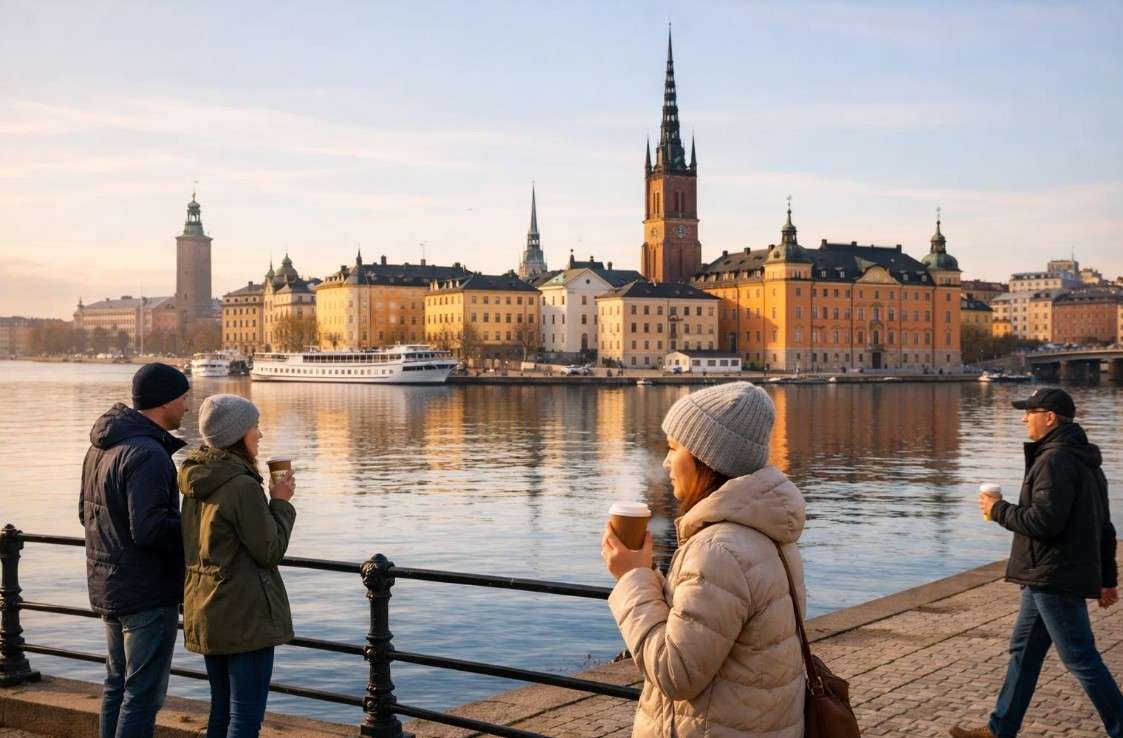
🗺️ How to Read and Use This Route
This route is designed to be easy to use without additional preparation. It is not tied to strict timing and allows changes throughout the day. The structure follows a simple “morning — afternoon — evening” rhythm that helps reduce fatigue. Each part of the route leaves space for breaks and spontaneous decisions. This is especially important in a city where atmosphere matters as much as landmarks.
The route can be adapted to different seasons and weather conditions. In warmer months, more time naturally goes to walking and waterfront areas. In colder seasons, the focus shifts toward cozy indoor places and shorter distances. This approach makes the plan flexible and reliable. It works well for both first-time visitors and repeat trips.
If time becomes limited, the route is easy to shorten. One secondary stop can be removed without losing the overall experience. If extra time appears, it can be filled with a walk or a coffee break. This flexibility keeps the trip calm and enjoyable. The city feels like a continuous experience rather than a checklist.
🌦️ How to Choose a Route Based on Season and Interests
The season in Stockholm has a strong influence on how the city feels. In summer, life moves outdoors, with water, islands, and long evenings. In winter, the city becomes more intimate and cozy. Shoulder seasons offer a balance but require flexibility. Understanding the season helps set the right pace from the start. This is especially important on a short trip.
🎯 Defining Your Travel Priorities
The first step is deciding what matters most to you on this trip. Some travelers focus on views and walking routes, others on museums and culture. Many come for food, design, and local atmosphere. With only 48 hours, it is best to choose no more than two priorities. This allows for a deeper and more relaxed experience.
If classic sights are your priority, focus on central areas. If you want a modern feel, add residential neighborhoods. Families benefit from routes without long walking distances. Couples and friends often enjoy scenic evenings and relaxed dining. These choices directly shape your route.
Once priorities are clear, planning becomes much easier. You immediately know what can be skipped without regret. This reduces stress and saves energy. It is especially helpful for first-time visitors. The city opens up more naturally this way.
🌤️ Considering Weather and Daylight
Weather in Stockholm can change quickly. Even in summer, wind and cool temperatures are common. In winter, short daylight hours affect walking plans. That is why it is important to consider both the season and the forecast. This helps avoid unnecessary pressure.
On good-weather days, outdoor walks work best earlier in the day. Rainy hours are better for indoor activities. This rhythm makes the route more stable. It provides flexibility without losing structure.
Flexibility is the key to a successful trip. Always leave at least one open time slot. It can be used for weather changes or mood. This makes the journey more comfortable. The city feels welcoming and easygoing.
🏡 Where to Stay for 48 Hours
Your accommodation choice has a direct impact on your experience. On a short trip, minimizing unnecessary movement is essential. A good base allows you to start exploring immediately after stepping outside. This saves both time and energy. It is especially noticeable in the evening or during colder seasons. Your neighborhood becomes part of the route.
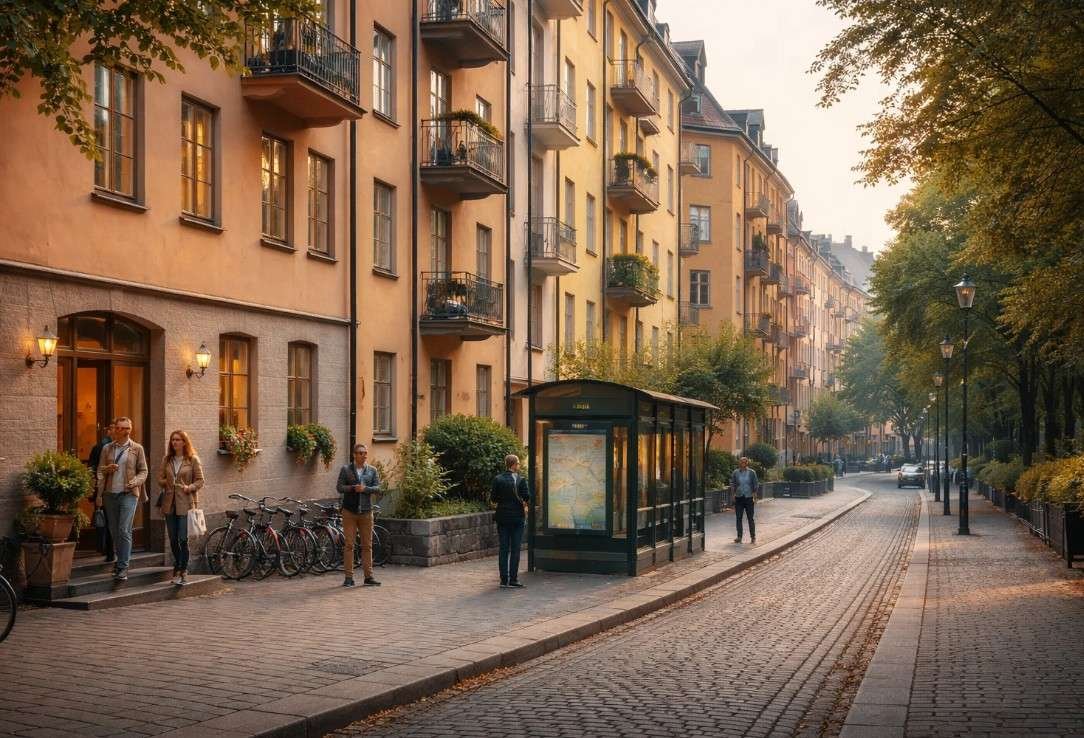
📍 City Center or Residential Areas
Central areas are convenient for first-time visitors. Most major sights are easy to reach from there. Walking routes begin right outside your door. Dependence on transport is reduced. This works well with a compact schedule.
Residential neighborhoods suit travelers who want a local feel. They are calmer and less crowded. The everyday rhythm of the city is more visible there. With good metro access, logistics remain simple. However, travel time should always be checked in advance.
Both options are valid. The choice depends on your goals. For a first visit, central locations usually win. For repeat trips, residential districts can feel more interesting and authentic.
🧭 Practical Selection Criteria
Do not judge a location by price alone. Check walking distances and transport connections. Watch for water barriers that may create long detours. Evening returns should be simple and direct. These details strongly affect comfort.
Having cafés and shops nearby is a big advantage. It simplifies mornings and evenings. A place to rest during the day is also useful. This matters when walking a lot. Small conveniences noticeably improve the trip.
For a 48-hour trip, convenience matters more than savings. Paying slightly more for a better location is often worth it. Time and peace of mind compensate for the cost. The route feels lighter. And the impressions stay positive.
🏰 Day 1: Classic Stockholm Without Overload
The first day is best dedicated to the most recognizable side of the city. This helps form a clear first impression. Historic streets, views, and water create the foundation. Avoid trying to see everything at once. One well-structured day works better than constant rushing. The evening should still feel relaxed.
🕰️ Morning, Afternoon, and Evening at a Calm Pace
Mornings are ideal for walks and photography. The city feels calmer and the light is softer. Midday works well for one key attraction. This could be a museum or a major landmark. After that, a pause is essential.
The second half of the day should stay light. Leave space for slow movement. A walk along the water helps restore energy. In the evening, choose a simple and scenic route. This closes the day smoothly.
This rhythm reduces fatigue. It is especially effective for first-time visitors. The day feels complete. And the city feels friendly.
🧠 How to Avoid Overloading the Day
The main rule is no more than three major stops per day. Everything else should remain secondary. Food and coffee are part of the route, not interruptions. Shorter distances help preserve energy. This keeps the day enjoyable.
If you feel tired, cut the plan without hesitation. Skipping a stop is better than ruining the day. The city will still be there. Stockholm rewards calm travel. And travelers benefit from it.
🌿 Day 2: Modern City and Local Life
The second day should feel lighter and more flexible. It complements the first day and adds depth to the experience. There are fewer landmarks and more atmosphere. This day is about how the city lives. It often creates the strongest memories. And it frequently becomes a favorite.
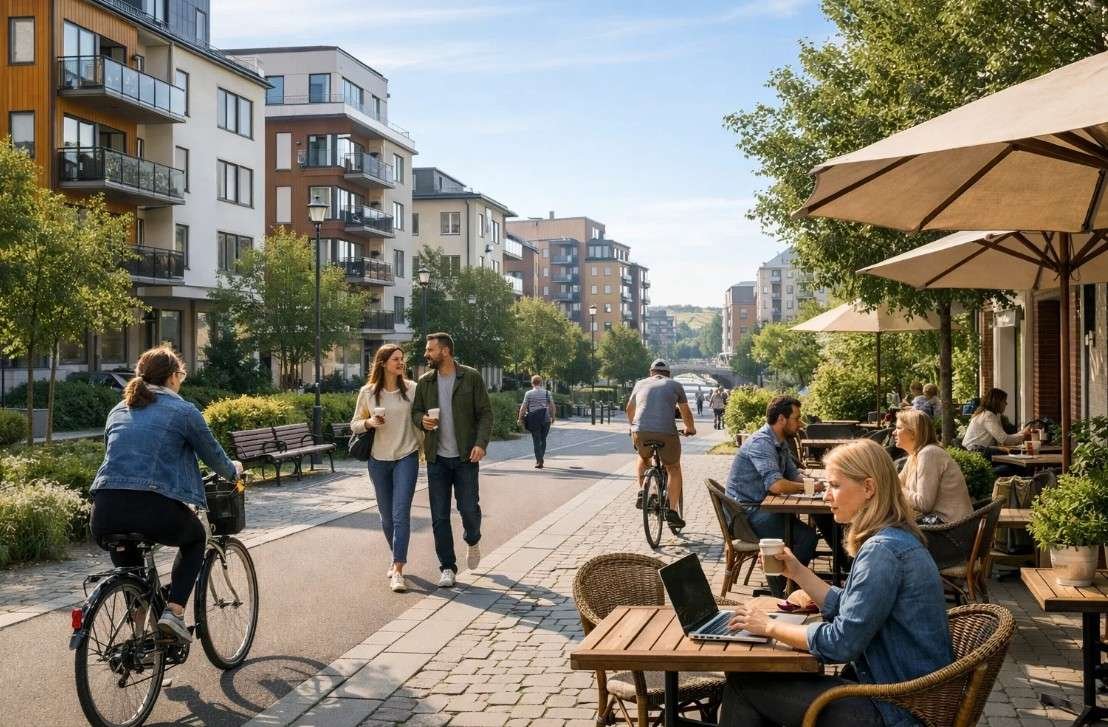
☕ Neighborhoods, Walks, and Breaks
Start the day without rushing. Breakfast and coffee set the tone. Choose one neighborhood and walk in a single direction. This reduces decision fatigue. Movement feels easier and more natural.
Leave free time in the middle of the day. It allows you to stay longer where you feel comfortable. After that, add one more light stop. End the evening calmly.
This day does not require strict planning. It adapts to your mood. This is ideal for a short trip. The city opens up gently.
🌱 Adapting to Your Interests
Design lovers should focus on modern districts. Nature lovers should choose parks and waterfront areas. In bad weather, shorten transitions. In good weather, walk more. This makes the day flexible.
Do not repeat the pace of the first day. The second day should feel easier. It completes the trip rather than extending a marathon. The result is a sense of rest. And a desire to return.
🧩 How Much Time to Plan to Avoid Fatigue
Good timing is the foundation of a comfortable trip. Stockholm invites a slower pace. Accepting this helps with planning. Fewer stops work better. More space between them matters. This makes the route feel alive.
📅 Realistic Planning
Always plan with buffer time. Leave room for weather and mood. Avoid tight schedules. Take regular breaks. This prevents accumulated fatigue.
If something is missed, that is fine. Quality matters more than quantity. This mindset is especially helpful for first-time visitors.
🧠 Common Mistakes
The most common mistake is overloading the route. Another is ignoring the weather. A third is complicated logistics. All of these can be avoided in advance. Simplifying the plan is usually enough.
Leave one stop that can be removed. This creates flexibility. And gives a sense of control. The trip feels calmer. And the city leaves a good impression.
🚇 Practical Tips for a First Trip
Stockholm is easy even for travelers visiting Scandinavia for the first time. Navigation is clear and public transport is logical. Walking routes are well designed. Still, small details matter. They shape the overall experience. Preparation increases comfort.

📱 What to Prepare in Advance
Save routes and locations on your map. Separate must-see points from optional ones. Check opening hours. Think about weather and clothing. This reduces stress.
Layered clothing works best. Keep transport plans simple. Avoid complicated evenings. This is especially important in colder seasons. Comfort should be the priority.
🧳 Travel Mindset
Do not aim to see everything. Focus on how the city feels. Stockholm values calm. And reflects it back. This mindset leads to a successful trip.
❓ Questions and Answers
Yes, if you set priorities and avoid overloading the route.
Late spring, summer, or early autumn.
In an area with good walking access or convenient metro connections.
No, the city reveals itself well through walks and views.
No more than three major ones.
Yes, it is one of the easiest cities to start with.
Leave pauses and flexible time in your schedule.

0 comments
Log in to leave a comment