



✨ Themed itineraries
🧭 What Thematic Routes Are and Why They Work So Well in Sweden
A thematic route is a journey built around one clear idea: cities, nature, the north, or the coast. This format helps you stay focused and experience the country more deeply in less time. In Sweden, it works especially well thanks to clear logistics and predictable transport. You choose your pace in advance—active or relaxed, with moves or from one base. This reduces stress and helps control the budget because accommodation and transport are easier to plan. For a first trip to Scandinavia, a thematic route is one of the simplest and most reliable options.
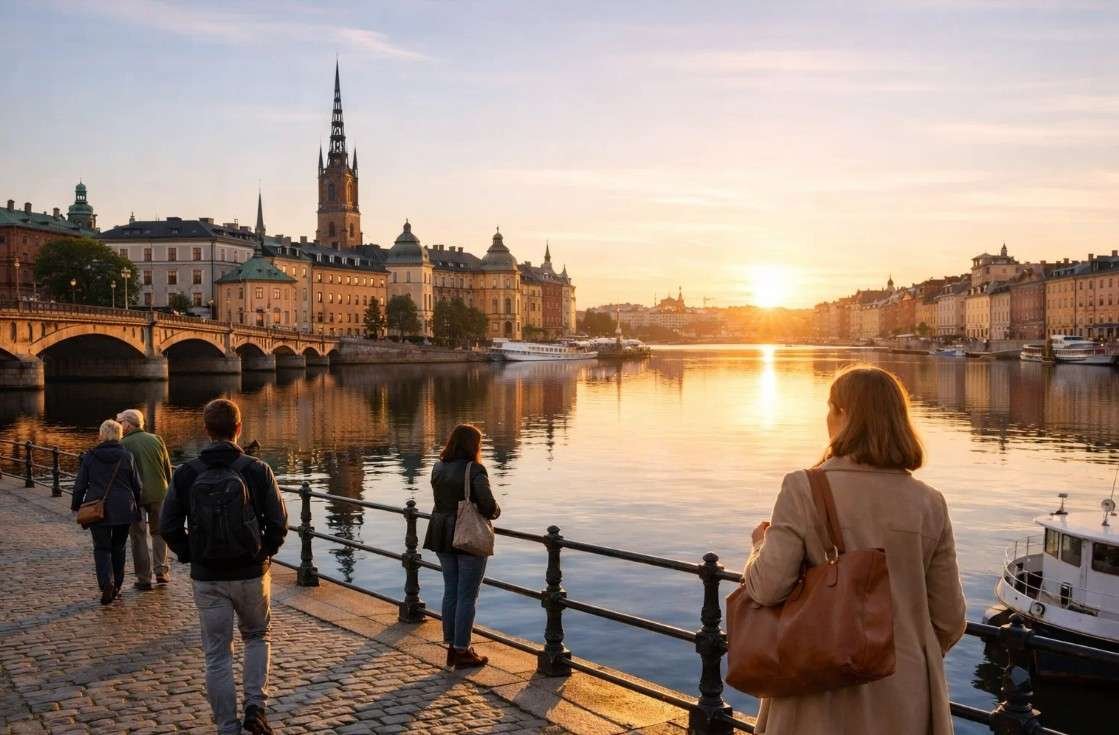
✨ How the Thematic Approach Works in Practice
You choose one main theme and build the trip around it, confidently skipping everything that does not fit. This makes it easier to decide where to stay and how much time to allocate each day. In Sweden, it is comfortable to combine one or two related themes, such as “city + islands” or “north + nature.” The route becomes compact but rich, with locations logically connected. Booking in advance also becomes clearer, as priorities are obvious.
Thematic routes adapt well to weather and seasonal changes. On rainy days, you can shift to museums, cafés, covered markets, and neighborhood walks. On sunny days, you add ferries, parks, scenic trails, and day trips. As long as the main theme remains, the trip keeps its structure. This flexibility is especially valuable in Scandinavian conditions.
For first-time visitors, thematic routes provide a clear daily rhythm. Mornings for walks, afternoons for short transfers, evenings for rest without rushing. This pace prevents exhaustion and preserves enjoyment. You return home feeling that you truly experienced Sweden, not just checked places off a list.
- Less chaos: you clearly know what matters and what can be skipped.
- Better budgeting: easier to choose where to stay and how often to move.
- Comfortable pace: less fatigue, more memorable moments.
- Flexibility: plans can change without breaking the whole trip.
🗓️ How to Choose a Thematic Route Based on Season and Interests
Start with the season, as it defines daylight, weather, and the overall mood of the trip. Spring and summer are ideal for coastlines, islands, and long outdoor walks. Autumn highlights forests, parks, and cozy cities with cafés and museums. Winter naturally leads toward the north and snowy experiences, with extra time reserved for transfers. Next, define your interest: culture, nature, active travel, or slow exploration. If this is your first Scandinavian trip, it is best to focus on one theme and avoid overloading the itinerary.
🎯 Connecting Season, Interests, and Travel Pace
The season sets the rhythm of your days. In summer, long daylight hours allow for ferries, archipelagos, and extended walks. In winter, shorter days favor compact routes with warm indoor stops. Choosing a theme that matches the season ensures comfort rather than resistance to conditions. For example, “north + cozy cities” works well in winter, while “archipelagos + urban walks” shines in summer.
Interests determine how much movement you need. Culture and gastronomy lovers can stay in one city and explore nearby areas. Nature-focused travelers benefit from regional bases close to trails and parks. Active travel requires checking seasonal availability of routes and facilities in advance. Slow travelers should plan fewer must-see points and allow more open time.
Pace is the most important filter, especially for first-time visitors. If early mornings feel stressful, choose routes with minimal long transfers. If you want stronger impressions, add one highlight day rather than constant movement. Sweden rewards calm travel, with time for coffee, views, and spontaneous detours. This approach creates a route that feels both practical and authentically Scandinavian.
🌿 Popular Types of Thematic Routes in Sweden
The most common thematic routes include urban, nature-based, northern, and coastal journeys. Urban routes focus on museums, neighborhoods, cafés, and design. Nature routes offer forests, lakes, trails, and national parks with accessible infrastructure. Northern routes bring snow, silence, and the chance to see the northern lights in season. Coastal routes feature ferries, islands, fishing towns, and sea air. For a first trip, choosing one main theme and adding a small accent works best. This keeps the journey varied without becoming overwhelming.
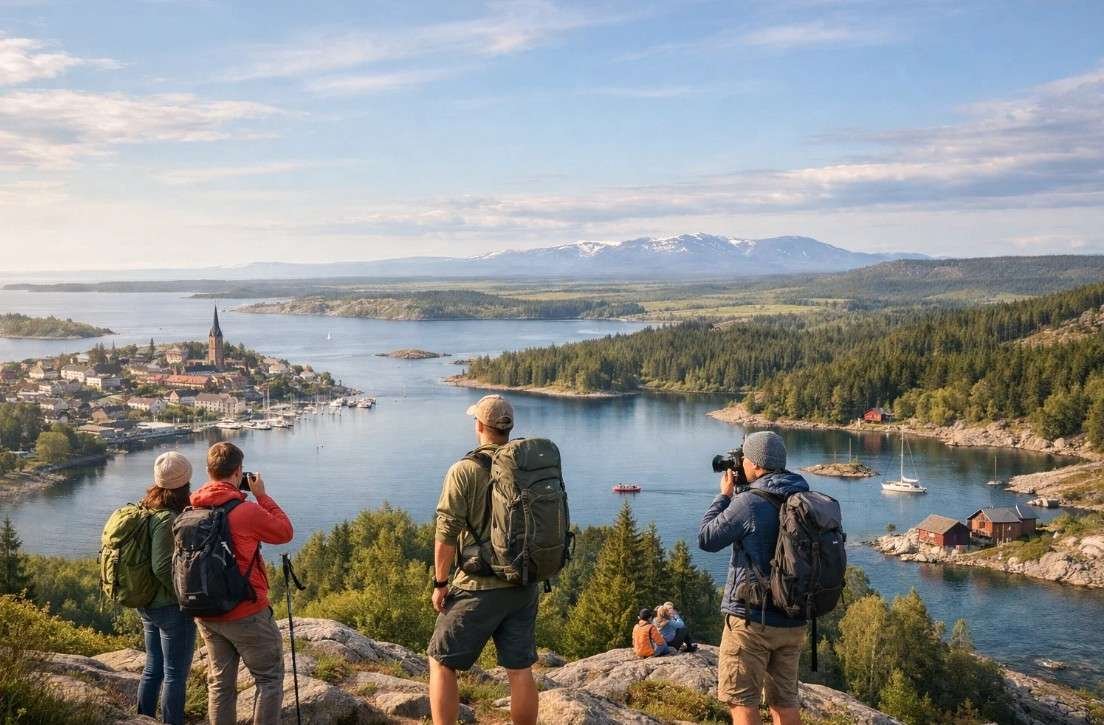
🧩 Urban, Nature, Northern, and Coastal Routes — Finding Your Match
Urban routes are ideal if you enjoy culture without frequent relocations. One base with short day trips often covers a lot. This works especially well in shoulder seasons with variable weather. It is also an easy introduction to Sweden and Scandinavia in general. Comfort and variety make this a strong first choice.
Nature routes suit travelers seeking quiet, fresh air, and classic Nordic landscapes. Sweden offers trails for all levels, with well-developed infrastructure. Spring, summer, and early autumn are the best seasons. Always allow extra time for weather changes and walking pace. Decide early whether you will rely on public transport or rent a car.
Northern routes feel like a different world, with a distinct rhythm. Winter offers snow and Arctic atmosphere, summer endless daylight and open spaces. Distances are larger, so base selection and logistics matter more. Coastal routes are best in warmer months, with ferries and waterfront walks. For first-time visitors, combining “city + coast” is often the simplest and most rewarding option.
🏡 Where to Base Yourself: Choosing a City or Region
Your base is where you sleep and start each day. It affects budget, pace, and the number of transfers. Urban routes often need only one base to see a lot comfortably. Nature routes work best when the base is close to trails and landscapes. In the north, the base should offer access to activities and transport without complex connections. For a first Scandinavian trip, one base with day trips is usually the best choice. If variety is important, plan no more than two bases per week.
🧠 The Base Rule: Fewer Moves, More Enjoyment
For trips of three to four days, one base is almost always ideal. You save time on packing and transfers and remain flexible with schedules. This approach is especially valuable in winter and shoulder seasons. It also allows for spontaneous discoveries like markets or waterfront walks. For first-time travelers, this significantly improves the experience.
With five to seven days, one base with clear day trips works very well. You can combine city life and nature without constant relocation. Choose a transport hub with easy access to your key interests. The route remains thematic but gains depth. Avoid long day trips on consecutive days.
Two bases make sense when the trip clearly splits into two distinct parts. For example, city days followed by nature or coastal exploration. Each part gets its own rhythm and atmosphere. Ensure the transfer itself is logical and does not consume an entire day. Ideally, limit yourself to one major move per trip.
⏳ How Much Time to Allocate for a Thematic Route
Time depends on theme, season, and your tolerance for travel days. A three-to-four-day trip works best with one theme and one base. Five to seven days allow deeper exploration and one or two day trips without rushing. Eight to ten days comfortably support two bases and mixed experiences. In winter, plan extra buffer time due to shorter days. In summer, longer daylight helps but should not lead to overfilled schedules. For first-time visitors to Scandinavia, one week is usually ideal.
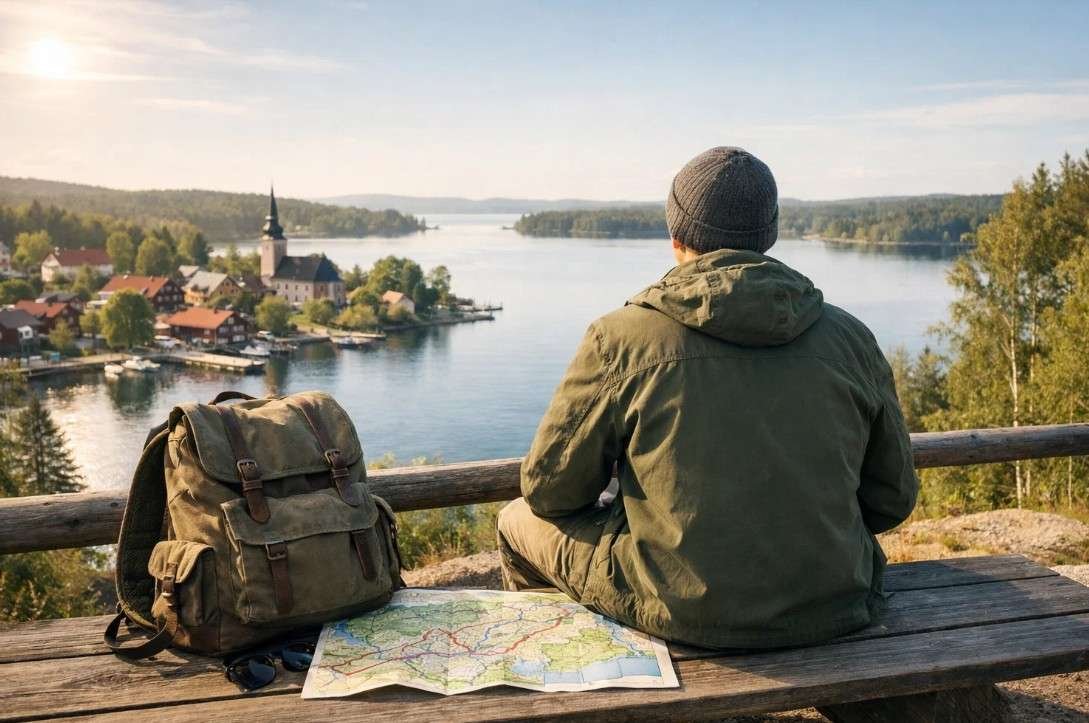
🧭 Pace and Timing: Avoiding Overload
Short trips should stay light: one area in the morning, another in the afternoon, and relaxed evenings. Trying to see everything reduces enjoyment. Sweden favors a calm pace, which benefits travelers too. Leave space for pauses and unexpected highlights.
A week offers the best balance of comfort and variety. You have time for one major excursion—nature, islands, or a nearby city—while keeping most days relaxed. Weather changes become manageable without stress. Booking is also easier for this length. The result feels like a complete journey rather than a quick checklist.
For longer trips, structure the route into clear blocks. Limit yourself to two bases and give each block one main highlight. This keeps the trip cohesive and enjoyable. You spend less time packing and more time experiencing places. Most importantly, you actually get to rest.
🧳 Practical Tips for a First Trip to Scandinavia
Choose a simpler route than you think you need, and add only one standout highlight. Avoid long transfers on consecutive days, especially in winter. Decide early whether comfort or changing scenery matters more to you. Always leave time buffers for weather and spontaneous ideas. Select accommodation that allows easy starts to your day. Keep the route theme in mind—it helps you make quick and confident decisions.
✅ A Checklist for a Smooth and Enjoyable Route
Before booking, check seasonal factors such as daylight, ferries, trails, and winter activities. Choose one base and identify two or three day trips that truly matter. Review transfer times to avoid exhausting days. Add empty time slots to each day’s plan. This greatly improves overall comfort.
If this is your first trip, avoid chasing quantity. Seeing less but deeper is more rewarding. Many of Sweden’s best moments are found beyond top-10 lists. Leave room for aimless walks and quiet discoveries. This makes the route feel alive rather than scheduled.
Plan each day around one core idea. For example: morning walk, afternoon outing, relaxed evening. This pattern works in any weather and is easy to adjust. If plans change, the structure still holds. You keep the theme intact and enjoy the journey.
- Choose one theme and add one accent (nature, islands, north).
- Select a base: fewer moves mean more enjoyment.
- Build in time buffers for weather and schedules.
- Avoid more than one long day trip in a row.
- Leave free time each day for spontaneous moments.
❓ Questions & Answers
An urban or mixed “city + nature” route is usually the most comfortable.
Yes, if you focus on one theme and stay in one base.
Ideally one or two, to avoid overload.
For first-time visitors, one base with day trips is often better.
Through daylight hours, weather, and availability of activities.
If each day has one main plan and time to wander, the pace is right.

0 comments
Log in to leave a comment