



🌌 Winter & Aurora
❄️ Introduction: Winter Sweden and the Magic of Aurora
Winter in Sweden is not about “surviving the cold,” but about discovering a special kind of beauty that only appears in the frosty season. Snow makes the landscapes brighter and the air feel clearer, turning even an ordinary road into something cinematic. Evenings are quieter and darker, which makes every impression feel deeper. The Northern Lights add a sense of wonder because they appear unexpectedly, almost like a gift. Aurora Borealis is a natural glow in the atmosphere caused by interactions between solar particles and Earth’s magnetic field. What truly captivates travelers is the moment when the sky suddenly begins to move and glow above you.
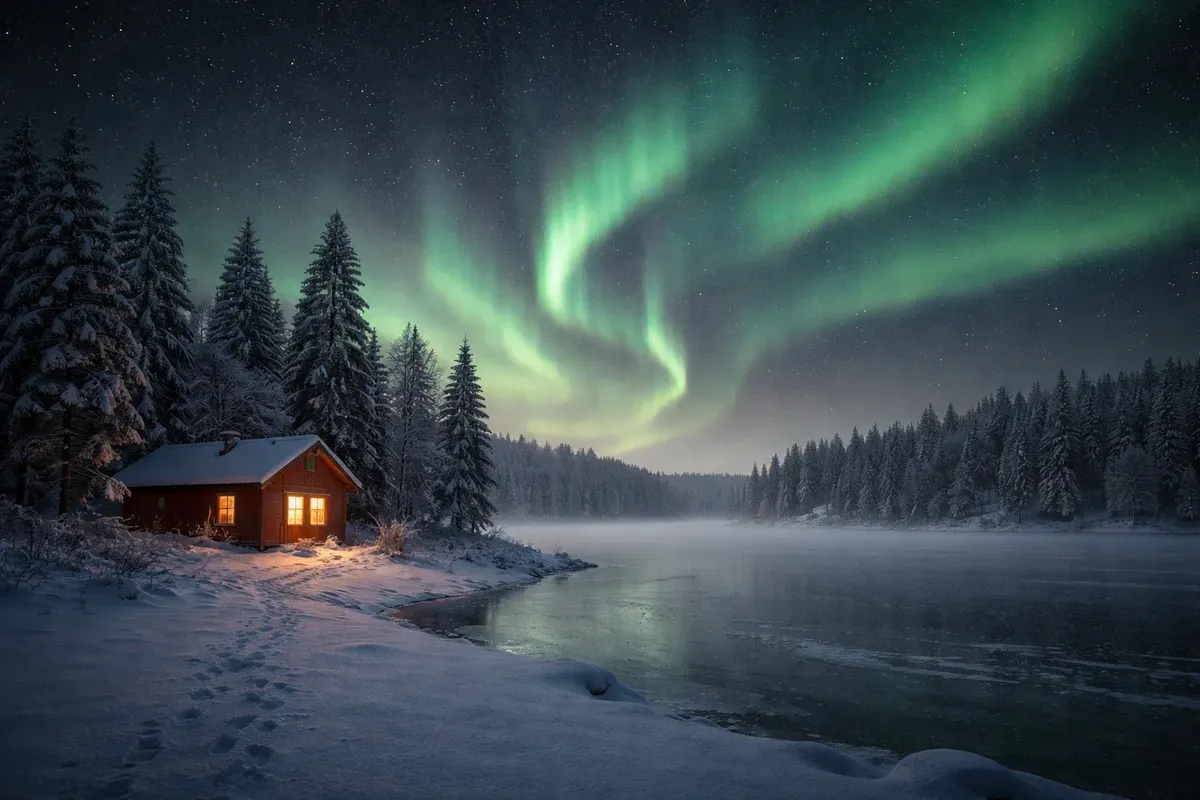
🌌 When Is the Best Time to Go for the Northern Lights
The Northern Lights season is more about darkness than extreme cold. The longer the nights, the more chances you have to catch a clear window of activity. That is why choosing a period with extended darkness makes a real difference. Ideal conditions are usually simple: clear skies and minimal light pollution. It is important to set realistic expectations, as the aurora does not follow a fixed schedule. However, your chances increase significantly with the right base, multiple nights, and flexibility to move where the sky is clearer.
Quick Date Selection Logic
- More dark hours — more opportunities to see the aurora
- Look for clear skies: clouds matter more than a “perfect date”
- Get away from lights: even 10–20 minutes outside town helps
- Plan extra nights: 3–4 minimum, more is better
🧭 Where to See Aurora: Top Locations in Sweden
Swedish Lapland is considered one of the best regions for aurora hunting because of its long dark nights and northern atmosphere. When choosing a place, logistics matter just as much as latitude. You need a location that allows easy evening departures and late-night returns. Many travelers choose Abisko for its scenic surroundings and favorable conditions. Kiruna works well as a practical base that combines infrastructure with winter activities. Jukkasjärvi adds a unique winter atmosphere and can be a beautiful extension to your route.
🏔️ Abisko: Nature and Clear-Sky Advantage
Abisko is often chosen by those who want to focus primarily on the aurora and Arctic landscapes. The wide-open spaces, mountains, and snow create a strong sense of calm. This destination works best when you stay in one place and attempt several nights in a row. A stable base reduces stress and allows you to react quickly when conditions improve. For first-time travelers, this slower rhythm makes the experience more enjoyable. Abisko feels less about rushing and more about being ready when the sky performs.
Abisko is also ideal if you want daytime nature experiences alongside aurora hunting. During the day, you can explore scenic viewpoints or simply enjoy the Arctic landscape. This balance is important because not every night will be clear. Having meaningful daytime plans prevents disappointment. When the sky clears, you are ready for your evening attempt. That combination makes the trip feel complete.
For beginners, it is wise to stick to a few nearby observation points rather than chasing distant spots. The easier your logistics, the more likely you are to try again each night. Always think about warming options and how to return safely. The aurora can appear suddenly and fade quickly. Being nearby and prepared makes a big difference. In Abisko, that strategy often works particularly well.
🚆 How to Plan a Route as a Beginner
For first-time visitors, choosing one base and making short evening trips is usually the easiest strategy. This reduces fatigue and eliminates constant packing and relocation. Ideally, plan at least 3–4 nights to increase your chances. A stay of 5–7 nights feels more relaxed and realistic. It is helpful to prepare both a Plan A and Plan B in case of cloudy skies. That way, your trip feels like a journey rather than a race.
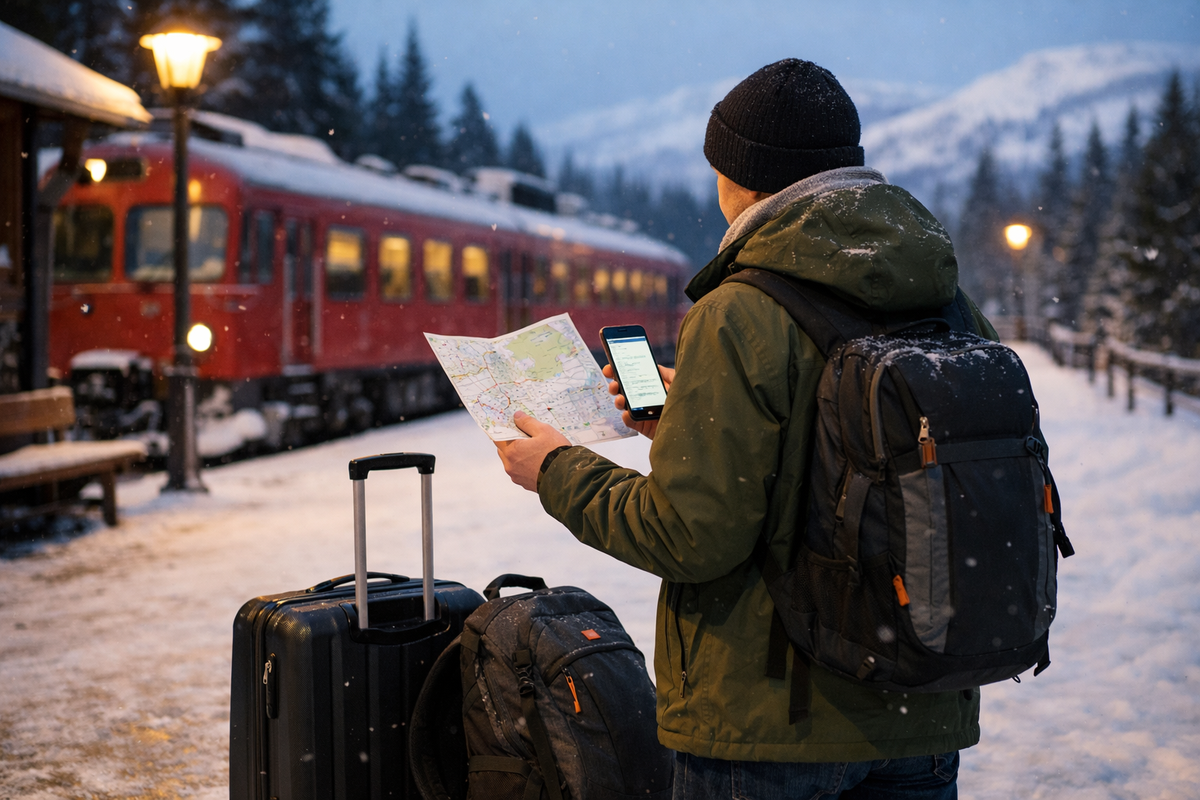
Simple First-Time Strategy
One Base
Stay in one place and take evening/night trips instead of moving every day.
5–7 Nights
Gives flexibility for weather and reduces pressure to “see it tonight.”
Plan A / Plan B
Cloudy skies? Do daytime activities and try again in the evening.
🧤 What to Pack and How to Dress for Winter in Sweden
Layering is essential because it allows you to regulate warmth effectively. A moisture-wicking base layer, an insulating middle layer, and a windproof outer layer are key. Warm boots, mittens, and a thermos are must-haves for long waits outside. Hand warmers and a headlamp also make a big difference during night trips. Common beginner mistakes include cotton base layers, tight shoes, and thin gloves. When you are warm and comfortable, you can wait longer and increase your chances of seeing the aurora.
📸 Practical Tips: How to Hunt and Photograph Aurora
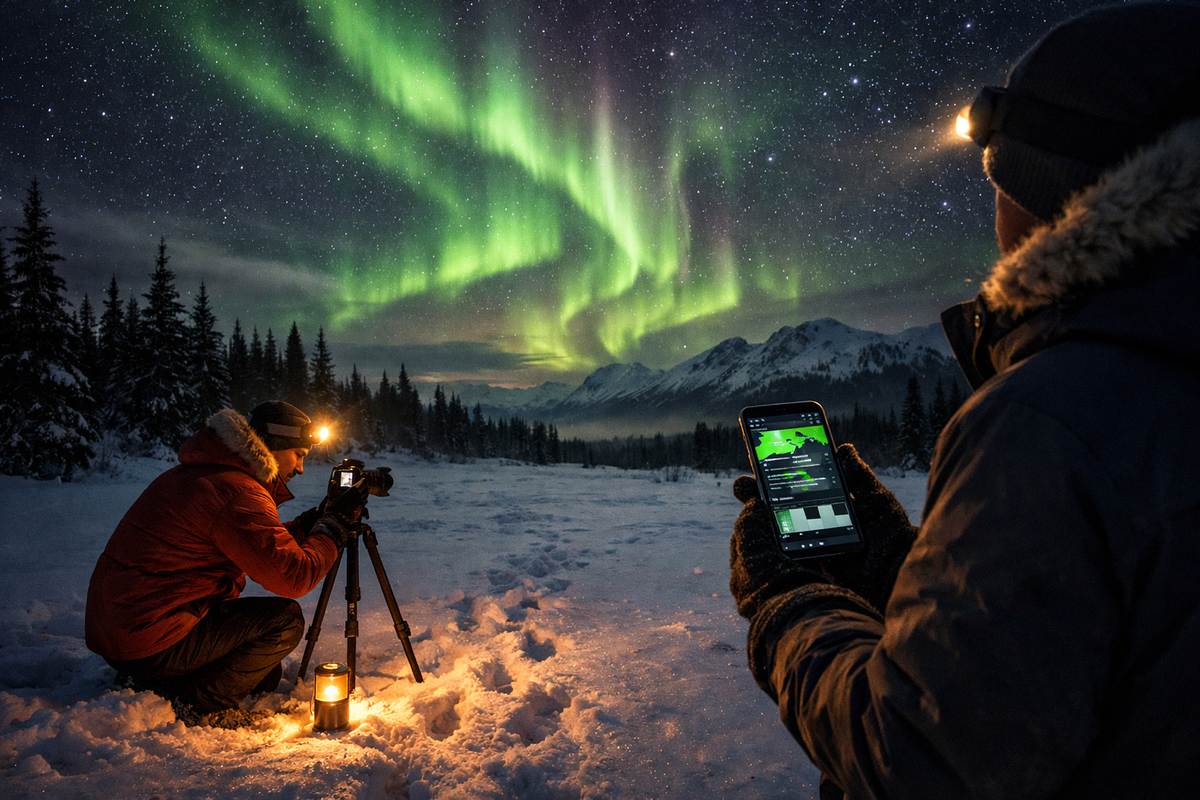
Driving away from city lights significantly improves visibility. Let your eyes adjust to darkness and avoid looking at bright screens constantly. Keep an eye on cloud cover and be ready to change locations. For photography, a tripod and night mode or manual settings are usually enough. Cold temperatures drain batteries quickly, so carry a spare and keep it warm. Always consider safety and plan your return route in advance.
Quick Photo Settings Guide
Smartphone
- Enable night mode
- Use tripod or stable surface
- Turn off flash and reduce screen brightness
Camera
- Tripod + 2 sec timer
- Exposure 5–15 sec
- ISO 800–3200 depending on light
Cold Protection
- Spare battery
- Keep battery close to body
- Avoid leaving gear in the wind
❓ Questions & Answers
At least 3–4 nights, but 5–7 gives much better flexibility.
Do daytime activities and try again later or move to a clearer area.
Sometimes yes, but light pollution reduces visibility significantly.
Yes, especially using night mode and a tripod or stable support.
Very important, as standing still causes your feet to get cold quickly.

0 comments
Log in to leave a comment