Add organization

🎄 Christmas markets in Scandinavia: Stockholm, Copenhagen, Oslo and Helsinki — where the atmosphere is strongest

🎄 Why visit Christmas markets in Scandinavia?

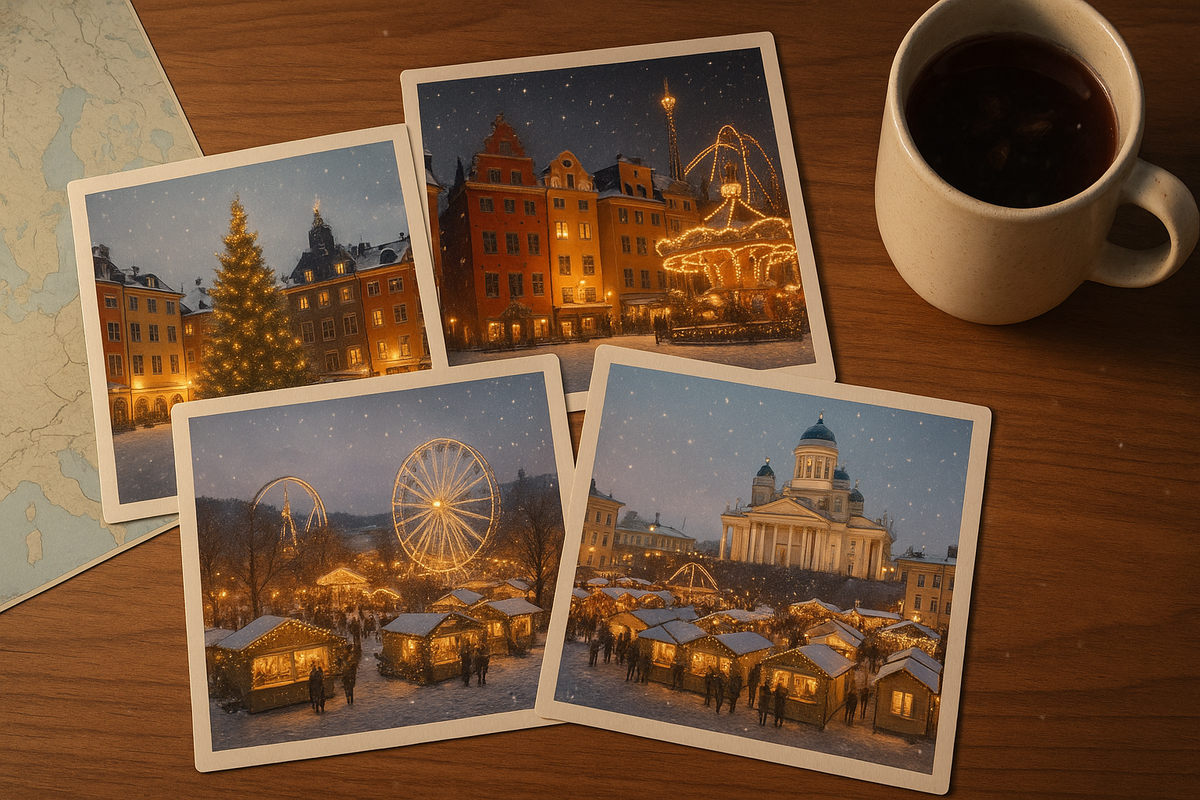
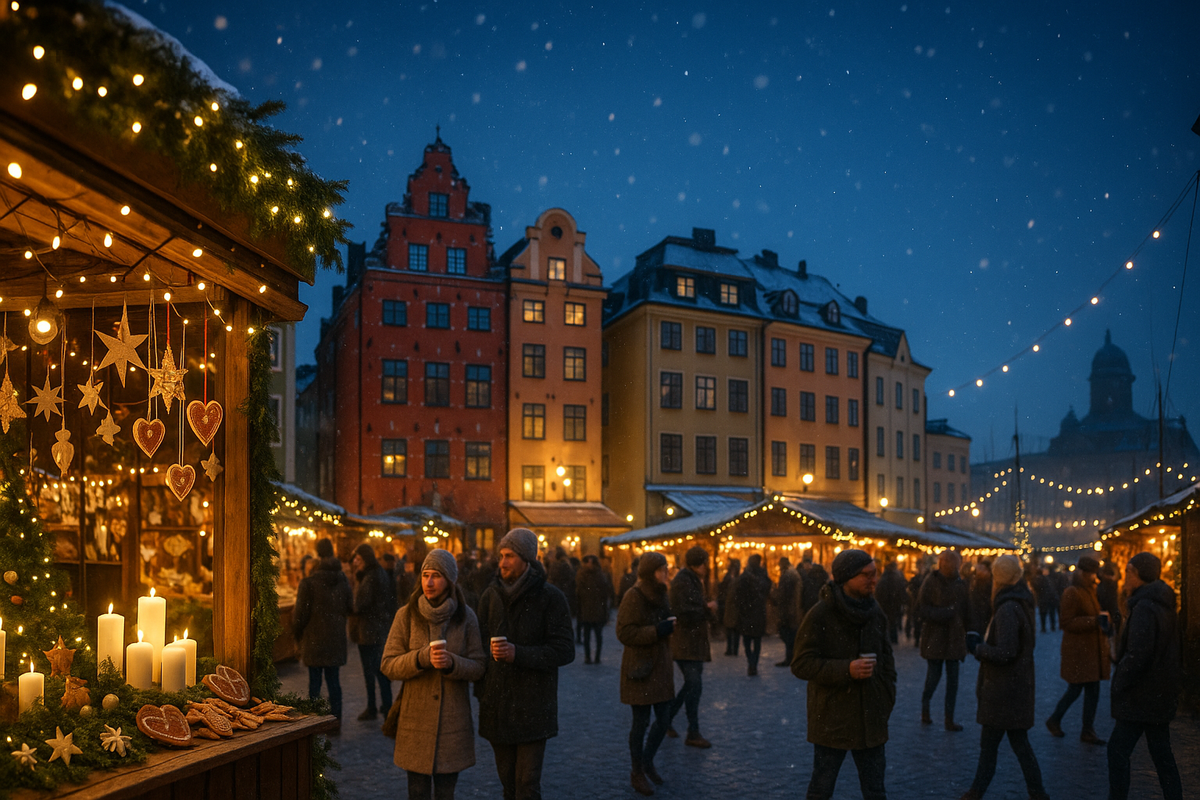
Christmas markets in Scandinavia are not just about mulled wine and sparkling fairy lights. They are about short winter days that gradually turn into the blue hour, soft snow underfoot, the aroma of cinnamon and fresh pastries, and the cosy lights of cafés and wooden houses. A winter trip to Scandinavia allows you to experience how Christmas is celebrated here in a special way: calmly, brightly and very homely.
Christmas markets in Scandinavia

In all four capitals — Stockholm, Copenhagen, Oslo and Helsinki — Christmas markets are held against the backdrop of historic centres, by the sea or fjords. Here you can try local delicacies, discover Scandinavian design brands, choose thoughtful gifts and see how sustainable development ideas are woven into even the festive season. In this article, we will compare the main markets and help you choose which capital city to start your Christmas Scandinavian adventure in.

Who this article is for
  • For those planning their first winter trip to Scandinavia and wanting to understand which capital to start with when exploring Christmas markets.
  • For residents of Scandinavia looking for an idea for a short flight, a ferry trip, or a train ride to a neighboring capital for the weekend.

📅 When to go and how to combine capitals

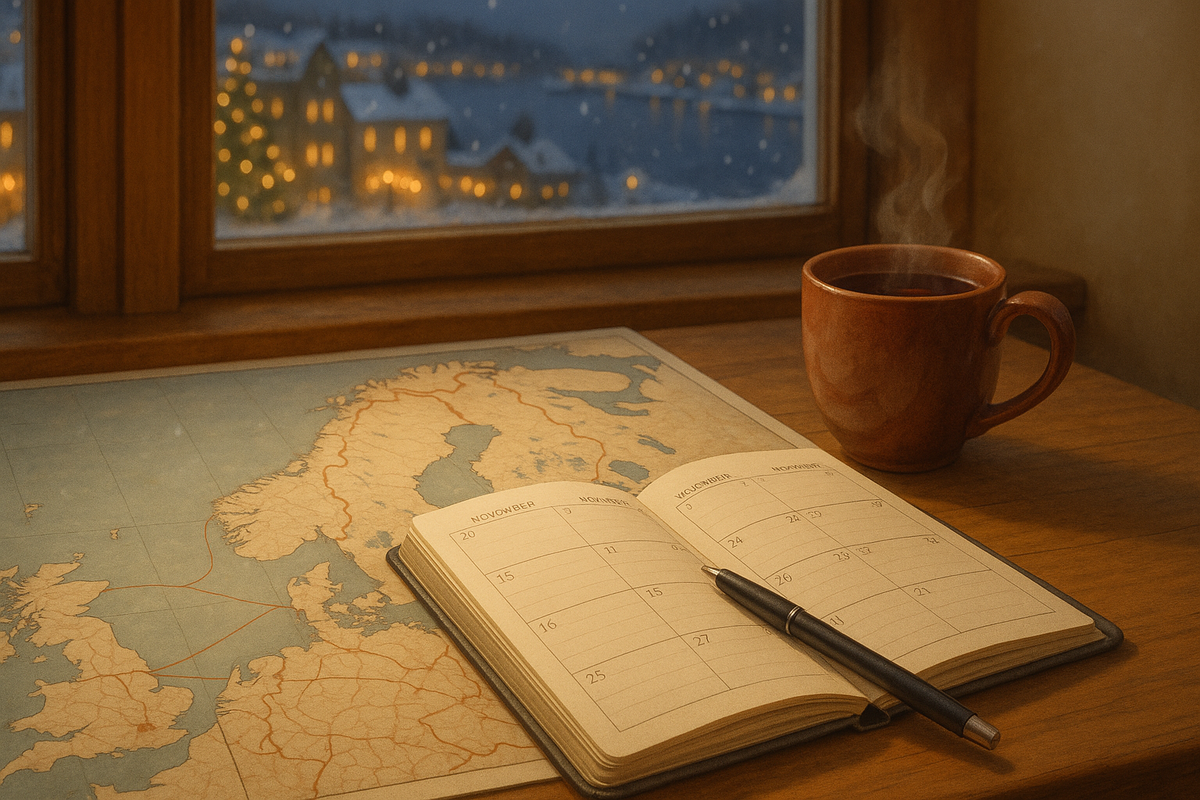
When is the best time to visit Christmas markets in Scandinavia? As a rule, the season begins in mid-November, when the first lights are lit in the capitals, and lasts until Christmas. Many traditional markets close on 23–24 December, but some venues, including amusement parks and winter villages, remain open until the end of December and sometimes until early January.
When to go and how to combine capitals

đŸ—“ïž General season window

Understanding this ‘window’ in the season makes it easier to plan your route: some people choose one capital city for the weekend, while others combine two cities at once — for example, Stockholm and Helsinki or Copenhagen and Oslo. Below is a handy mini-planner by dates and routes to help you figure out the ideal timing for your trip.

Approximate dates for Christmas markets

Stockholm

Mid-November – 23/24 December

Classic markets in the Old Town and museums. The most festive atmosphere is from late November to mid-December.

Copenhagen

Mid-November – late December / early January

Christmas in Copenhagen and Tivoli Gardens: the market and rides often run until New Year and sometimes into the first days of January.

Oslo

Late November – late December / early January

The main winter village and central market; in some years, part of the activities continue after Christmas.

Helsinki

Late November – 22 December

The Helsinki Christmas Market on Senate Square usually closes shortly before Christmas, so it’s best to plan your trip ahead.

How to combine capitals in one trip

  • Stockholm–Helsinki ferry: a convenient “two capitals in one trip” option with one night onboard.
  • Copenhagen–Oslo or Copenhagen–Stockholm combo: train or a short flight, with the option to add one night on the road.
  • For residents of Scandinavia — a weekend in a neighboring capital: arrive by flight/train on Friday evening and return on Sunday.

How many days to plan

Ideally, plan 2–3 full days per capital to fit in both the markets and city walks. For a two-capital route, 5–7 days is comfortable including travel time between them.

🎁 Stockholm: a classic Christmas card

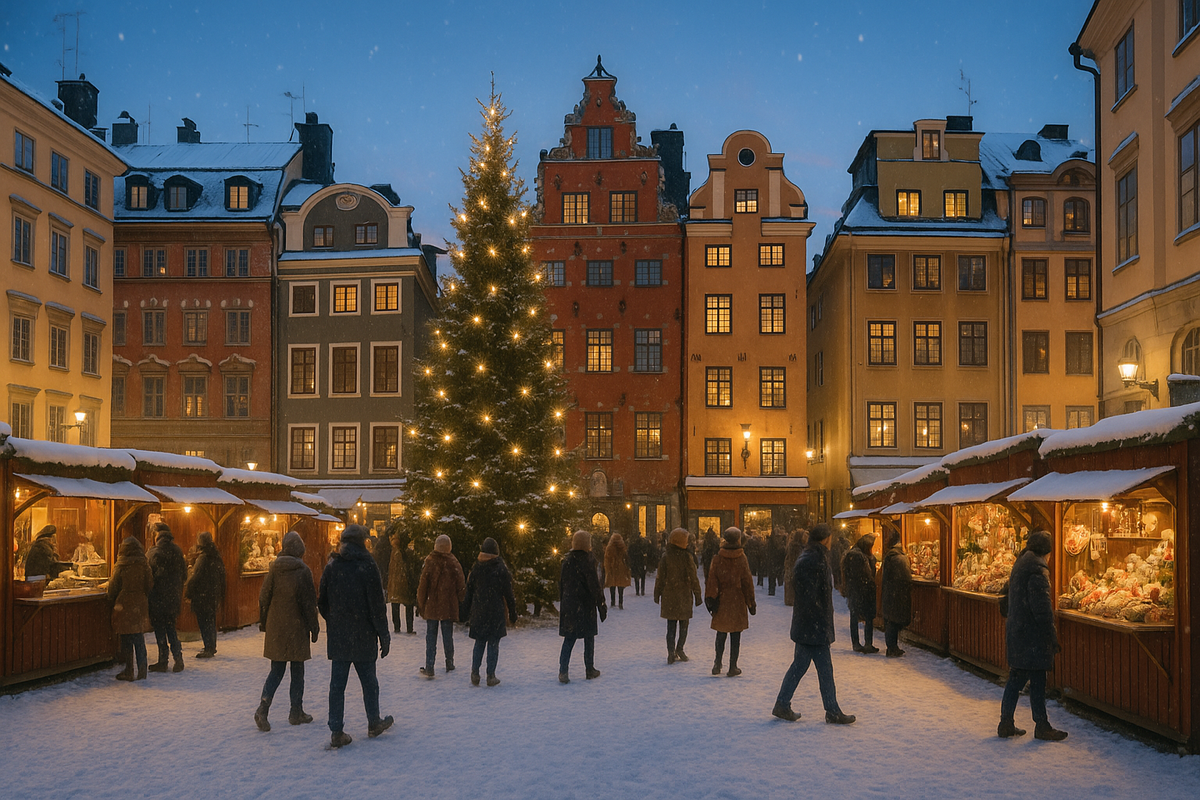
Stockholm is the perfect place to experience Scandinavian Christmas markets for the first time. In the Old Town, on Stortorget Square, the Christmas market transforms the stone facades of Gamla Stan into a living postcard: wooden houses with lights, the aroma of mulled wine and baked goods, street choirs. On the island of DjurgĂ„rden in Skansen, you will find a more ‘authentic’ Swedish Christmas with traditional houses, craft shops and folk dancing. And if you want something less touristy, in December you can visit the intimate markets in the palaces and on the islands of the archipelago — they are a great complement to the classic Christmas markets in Stockholm.
Stockholm a classic Christmas card

Swedish Christmas markets are strongly rooted in jul traditions: there are lots of candles, wooden decorations, textiles and natural materials. Be sure to try glögg (mulled wine with almonds and raisins), crispy pepparkakor, saffron buns lussekatter and non-alcoholic julmust. For those who want a real gastronomic experience, it is worth booking a Swedish Christmas buffet — julbord — in advance: it is a good way to experience how the Swedes themselves celebrate the holidays and end the day after a walk around the fairs.

🧭 Practical Stockholm

  • If your goal is Christmas markets, it’s most convenient to stay in the city center: in Gamla Stan you’ll be just steps from Stortorget, while Norrmalm and Östermalm offer more hotel options and are still within walking distance of the markets.
  • Södermalm is a great choice if you prefer a more local vibe: it’s easy to walk to the Old Town from there, and you’ll find plenty of cafĂ©s and bars for the evening after the market.
  • A handy one-day plan: a morning visit to Skansen and the museums on DjurgĂ„rden, an afternoon stroll along the waterfronts and some shopping, and in the evening — the market in Gamla Stan and dinner with a Swedish Christmas buffet (julbord).
  • If you’re planning several days in Stockholm, add a short archipelago outing: ferries and islands by day, then back to the Christmas market lights in the center in the evening.
  • For more ideas for winter trips around the country, check out our Sweden section.
🎡 Copenhagen: hygge and the lights of Tivoli Gardens


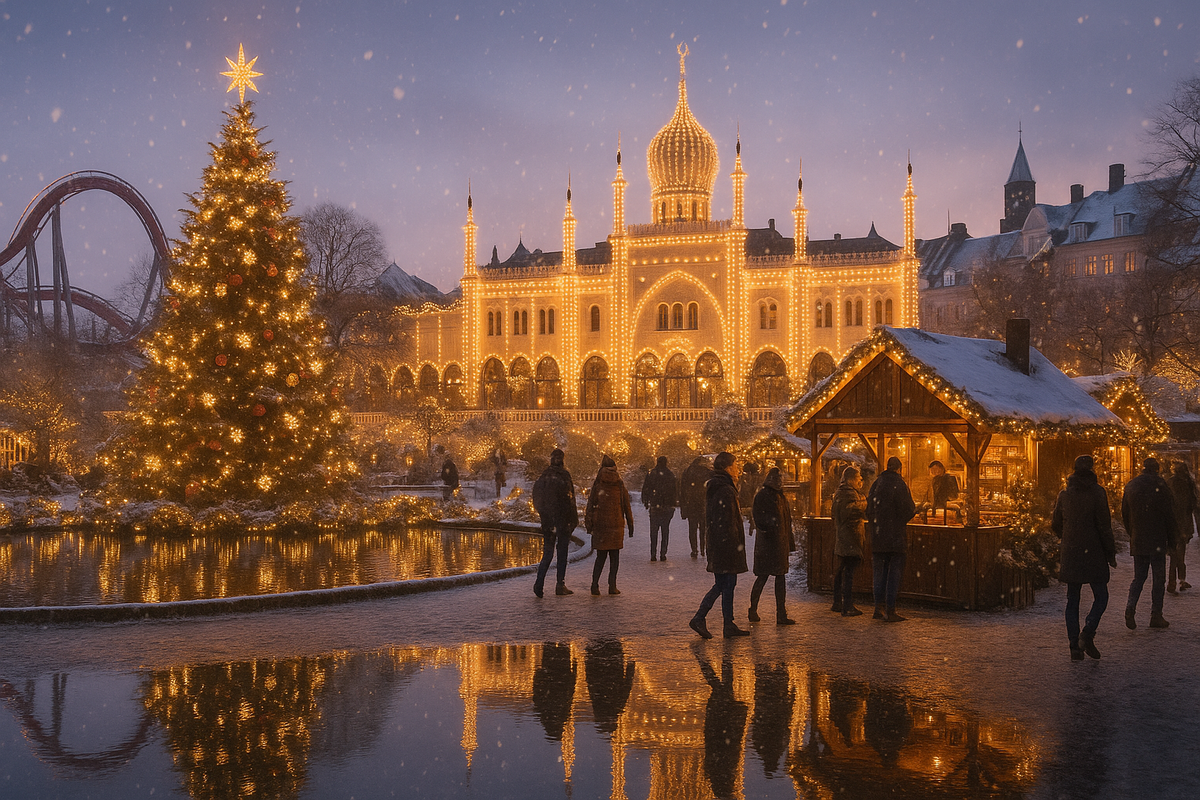
Copenhagen offers a completely different Christmas experience — here, hygge lives not only in cafĂ©s, but also in the lights of Tivoli Gardens. This historic amusement park in the heart of the city is transformed into a real Christmas fairy tale for the winter: thousands of garlands, decorations, an ice rink, Ferris wheels and lights floating above the park. There is an entrance fee, but inside you will find attractions, restaurants, and Christmas stalls with gifts and treats — it is no coincidence that Tivoli often appears in international rankings of the most atmospheric Christmas destinations.

Copenhagen hygge and the lights of Tivoli Gardens

Outside the park, Christmas markets in Copenhagen continue in the heart of the city. On the Nyhavn waterfront, between the bright houses and ships at the docks, you can drink glĂžgg from wooden stalls and stroll along the water. Kongens Nytorv and HĂžjbro Plads squares offer a more classic European format with craft souvenirs, street food and illuminations. And for those who want something less glossy, there are more alternative winter markets to check out, including Christiania. All in all, Christmas in Copenhagen can easily be turned into both a family trip and a short hygge weekend.

🧭 Practical Copenhagen

  • Family trips with kids. Tivoli Gardens offers several scenarios at once: rides, an ice rink, trains and carousels, restaurants with kids’ menus, and bright decorations. It’s best to plan the entire park for the evening — at least half a day.
  • Food lovers and fans of Danish design. Inside Tivoli and around the central squares there are many restaurants and cafĂ©s where you can try modern Scandinavian cuisine. Near the markets it’s easy to combine a walk with visits to design stores and showrooms.
  • Regional residents and a “quick hygge weekend”. Copenhagen is well connected with other Scandinavian capitals: many direct flights, trains toward Malmö and Stockholm, ferries, and cruises. Format: arrive on Friday evening, spend Saturday and half of Sunday in the city and at Tivoli.
  • Budget planning. Entry to Tivoli is paid, and rides are charged separately, so it makes sense to buy tickets online and check combo options (entry + ride pass) if you’re travelling with kids or theme-park fans.

đŸŒšïž Oslo: Christmas winter between the fjord and the forest

Oslo is a Christmas city literally nestled between the water and the forest. In the centre, near the Spikersuppa ice rink on Karl Johans gate, Jul i Vinterland unfolds: Oslo's main winter space with a Ferris wheel, ice arena, street food and Christmas stalls. It's easy to spend an entire evening here: ride the Ferris wheel, see the city lights from above, warm up with glþgg and buy gifts in wooden huts — all within walking distance of the train station and main streets.

Oslo Christmas winter between the fjord and the forest

For a more ‘classic’ Norwegian Christmas, head to the Bygdþy peninsula at Norsk Folkemuseum. Traditional life comes to life here in old wooden houses and open-air streets: craft stalls, treats made from old recipes, games and activities for children. On certain weekends in December, the museum turns into a large fair where whole families come to visit. Oslo is the best place to experience the ‘city + nature’ formula: in the morning you can walk along the Oslofjord, in the afternoon visit fairs and museums, and the next day you can be skiing in the hills above the city.

🧭 Practical Oslo

  • Oslo for those who love both the city and nature. If you want to combine Christmas lights with walks along the fjord and forested hills, Oslo is one of the best choices: Jul i Vinterland is right in the center, and you can reach forests and ski trails by public transport.
  • A “city + skiing” plan for 3–4 days. Set aside 1–2 days for the center: Jul i Vinterland, museums, and walks along the Oslofjord. Another 1–2 days can be devoted to trips to Holmenkollen and the forests of Nordmarka for skiing or winter hiking.
  • Where to stay. It’s most convenient to stay near Karl Johans gate, Oslo S station, or Nationaltheatret: from here it’s easy to walk to the market, theatres, and the waterfront, and also hop on a train or metro toward the hills.
  • A short winter escape for Scandinavia-based travelers. Oslo is well connected by flights and ferries with other regional capitals, so a “arrive Friday evening — return Sunday” format is very realistic even if you live in another Scandinavian country.
  • What to consider about the weather. Layered clothing and sturdy winter shoes are essential: one day you might stroll downtown and skate, and the next you could be walking through snowy forest trails. It gets dark early, so it’s best to plan markets and lights for the second half of the day.

🎹 Helsinki: design, sauna and market on Senate Square

Helsinki is a peaceful, bright version of a Christmas fairy tale. The main attraction here is the Helsinki Christmas Market on Senate Square (Tuomaan Markkinat). It is the oldest and most famous market in the city, located at the foot of the majestic cathedral: wooden houses, soft fairy lights, the smell of cinnamon and mulled wine against the backdrop of a white façade and wide steps. Every year, the market attracts hundreds of thousands of visitors and usually runs from the end of November to 22 December: dozens of craft and food stalls, a free vintage carousel for children and a very intimate, almost homely atmosphere.

Helsinki design, sauna and market on Senate Square

The Finnish approach to Christmas can be felt in every detail: many local designers, sustainable gifts, natural materials, neat ceramics, textiles and wooden products. At the market, it is worth trying glögi, fish dishes, cinnamon pastries and, of course, Karelian pies — karjalanpiirakka. The perfect day in Helsinki might look like this: a morning walk through the city centre and along the bay, the Helsinki Christmas Market in the afternoon, and a sauna and dinner at one of the nearby restaurants in the evening. This format will be especially appreciated by those who love to combine design, comfort and leisurely winter travel.

🧭 Practical Helsinki

  • Where to stay. It’s most convenient to stay in the center: areas around Senate Square, Kamppi, or Kruununhaka let you walk to the market, the waterfront, and the main museums.
  • How to plan your day. Morning — a walk through the historic center and along the bay; afternoon — the Helsinki Christmas Market with warm glögi and local designers; evening — a sauna visit and a cozy dinner in the city.
  • Who it suits. Helsinki is especially appealing to fans of Finnish design and a calm, intimate atmosphere, families with kids (thanks to the carousel and easy navigation), and those flying in for a short weekend from other Scandinavian cities.
  • When to visit the market. It’s best to plan your visit for the second half of the day: you’ll see the daytime market and the lights in the evening. But keep in mind that the Helsinki Christmas Market closes relatively early, and it can be very chilly by the water after dark.

✹ Where the atmosphere is strongest: choosing a capital city to suit your style

Where the Christmas atmosphere is strongest is not a question of ratings, but of travel style. Some people prefer the narrow streets of Stockholm and jul traditions, others dream of the Tivoli lights in Copenhagen, some want to combine the city and fjord in Oslo, and others are looking for a quiet, designer version of Christmas in Helsinki. This section is a quick guide to help you choose the capital that suits your trip and understand how many days to allow for your itinerary.

Where the atmosphere is strongest

Quick guide: which capital suits whom

Stockholm

For lovers of historic centers and jul traditions: narrow Gamla Stan streets, classic markets, and the feel of an old-fashioned Christmas postcard.

Copenhagen

For those seeking hygge, Tivoli Gardens lights, rides, and a rich food scene: from street food to restaurants of the New Nordic cuisine.

Oslo

For those who want to combine Christmas lights with a fjord and active time outdoors: the city, the Jul i Vinterland market, and quick access to skiing and forests.

Helsinki

For fans of Finnish design, saunas, and an intimate vibe: the Senate Square market, waterfront walks, and a calm, cozy city rhythm.

Sample time-based itineraries

If you have 3–4 days

  • One capital at a comfortable pace: one or two main Christmas markets, city-center walks, 1–2 museums, and unhurried dinners.

Tip: choose the one city that resonates most with your style — this way you’ll feel the atmosphere rather than just ticking boxes.

If you have 5–7 days

  • Stockholm + Helsinki: a flight or overnight ferry between the capitals, 2–3 days in each city.
  • Copenhagen + Oslo: train, ferry, or short flight; you can pair Tivoli and Nyhavn with the fjord and winter walks in Oslo.

Tip: try to plan at least two full days for each capital, not counting travel.

For residents of Scandinavia, Christmas markets easily turn into “mini holidays”: an evening train or flight on Friday, all of Saturday in the city, part of Sunday at the market and on a walk — and you can be back home before the workweek starts.

🎄 Christmas markets in Scandinavia

Christmas markets in Scandinavia

Practical tips: weather, budget, and key details

Clothing and weather

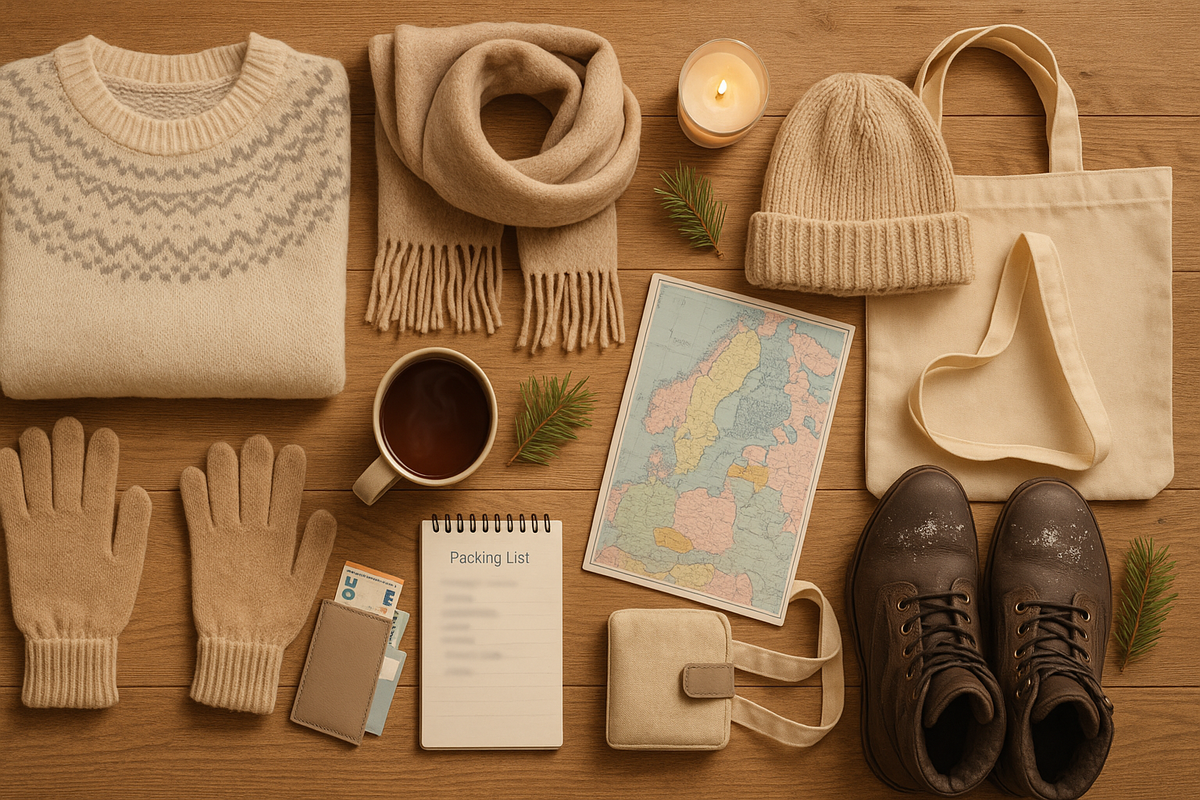
  • Dress in layers: thermal base, a warm sweater or fleece, plus a wind- and waterproof jacket.
  • Waterproof insulated shoes with good grip are a must-have: sidewalks can be slippery.
  • Don’t forget accessories: hat, gloves, scarf or buff, warm socks. Better to bring an extra set than freeze in the wind by the water.

Daylight hours and market schedules

  • In winter, daylight in Scandinavia is short and dusk comes early — exactly when the market lights look the most magical.
  • Plan your main market stroll for the second half of the day; use daytime for museums and warm cafĂ© stops.
  • Before your trip, check the specific market schedules: opening hours, closed days, and December end dates.

Budget: where to save and where not to

  • Free: illuminated streets and shop windows, walks along waterfronts and parks, city lights from bridges and viewpoints.
  • Worth the splurge: rides and decorations at Tivoli Gardens in Copenhagen, the ice rink and Ferris wheel at Oslo’s winter village, and tastings of local treats and glögg in Helsinki and Stockholm.
  • If your budget is tight, pick one “paid highlight” (for example, Tivoli or an ice rink) and pair it with a long, beautiful free city walk.

Alcohol and local rules

  • Scandinavia has state monopolies for strong alcohol and fairly high prices, especially in bars and restaurants.
  • Glögg is often available in a non-alcoholic version — handy for family trips and anyone who doesn’t drink.
  • If you plan duty-free purchases, keep import allowances and entry/exit rules for each country in mind to avoid extra questions at control.

An eco-friendly approach to your trip

  • Choose gifts from local makers and artisans: it supports the local economy and reduces the footprint of long-distance logistics.
  • Use reusable cups or a thermos for mulled wine and hot chocolate when possible.
  • In cities, walking and public transport — plus trains and ferries — are often faster and greener than taxis.

A few simple choices — the right clothing, a couple of pre-selected “paid highlights,” and a small eco focus — can noticeably boost the comfort of a winter trip to Scandinavia’s Christmas markets.

As a result, each Scandinavian capital offers its own version of a northern Christmas fairy tale: Stockholm with its historic streets and jul traditions, Copenhagen with its Tivoli lights and hygge evenings, Oslo with its rare combination of city, fjord and forest, and Helsinki with its design, saunas and the intimate atmosphere of the market on Senate Square. Choose the one that best suits your mood, decide whether you want to visit one capital or two in one trip, and put together your itinerary — whether it's your first winter trip to Scandinavia or your usual seasonal ritual of returning to your favourite Christmas markets.

Anastasia
By:

Anastasia

Post: I will reveal Sweden to you – without stereotypes and pompousness.

I am 32 years old, and every day I fall in love with Sweden all over again — a country where the silence of the forest sounds as natural as chatting over a cup


Visit author

0 comments


Log in to leave a comment