



🏛 Free museums
🌿 A Cultural Capital Without Extra Costs
Stockholm knows how to surprise: you can enjoy a full cultural day without spending money on entrance tickets. Free museums in Stockholm are a perfect way to explore Swedish history and art while keeping your travel budget under control. This is especially helpful if you are planning your first trip to Scandinavia and want to understand the rhythm of the city. Museums work well in any season because there is always a warm and inspiring place to step into. They are also ideal for locals who want a spontaneous cultural break after work. The key is understanding what “free admission” actually includes and how to build a route around your interests.
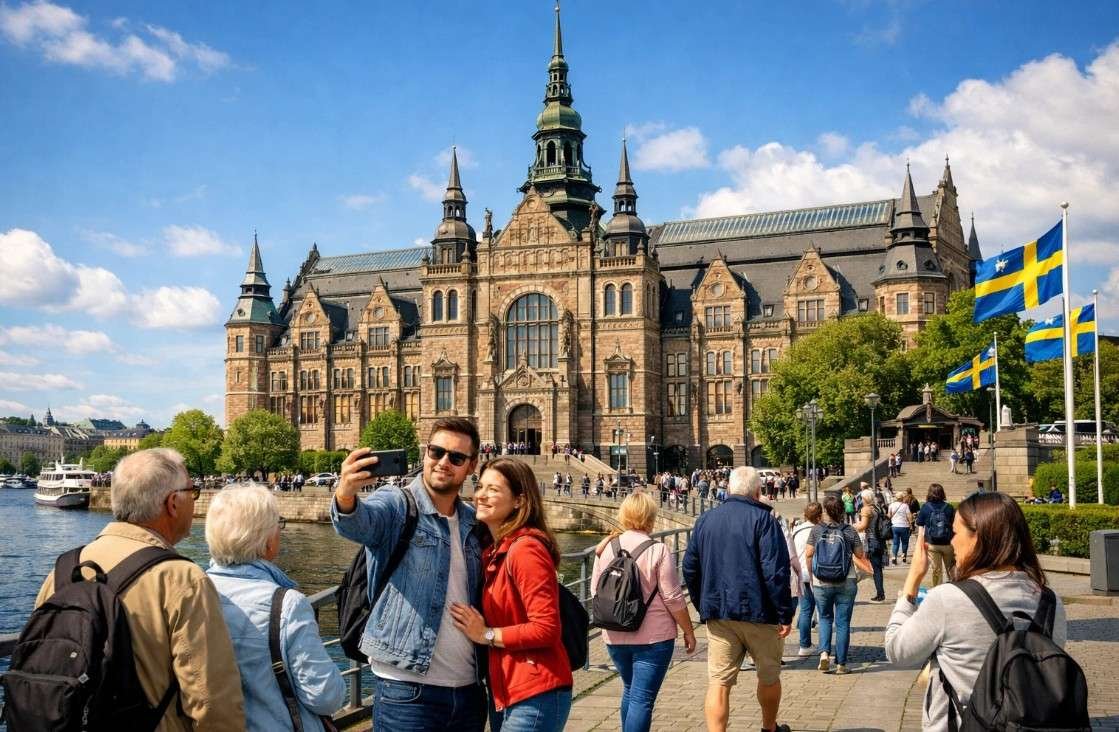
🍵 How to Plan a Relaxed Museum Day
Plan museum visits as a pleasant walk, not a marathon, so impressions do not blur together. Start with one main museum and keep a second as a flexible option. Add a fika break in between — in Sweden, coffee is part of the cultural experience. If it’s your first time in the Nordic region, allow extra time for navigation. Dress in layers, since museums are warm but the weather outside may be windy even in spring.
Create a simple checklist before heading out: opening hours, location, and whether booking is required. Wear comfortable shoes, as museum spaces can be larger than expected. Do not try to “see everything” — it is better to remember a few strong impressions. If traveling with children, agree in advance on a few key highlights. Leave room for spontaneity — sometimes the best discovery is unplanned.
Choose a theme for the day, such as “Swedish design” or “Viking history.” This makes your route feel cohesive. Take photos of details that inspire you to create your own travel memories. For locals, this approach makes museum visits a regular habit. For visitors, it helps you quickly connect with Stockholm’s character. Free museums then become not just a budget option, but a meaningful travel experience.
🏛 State Museums with Free Admission
In Stockholm, several state museums offer free entry to their permanent exhibitions. This format is convenient because you can drop in without pressure to “get your money’s worth.” For a first trip to Scandinavia, this is an ideal way to ease into the culture. The most popular themes include classical art, contemporary art, and Swedish history. It makes sense to combine museums located close to each other to save time. Remember that temporary exhibitions may require a ticket.
🎨 A Smart Starter Combination
If you want classical art and Scandinavian design, choose a major national art museum. To balance it, add a contemporary art space for a fresh perspective. A history museum helps you understand Sweden’s background and identity. An international collection can offer a surprising cultural contrast. Together, this creates a well-rounded view of Stockholm.
Build your route around two anchor museums and leave time for a walk nearby. Stockholm’s cultural spots are often close to water and charming neighborhoods. Even if you are not a museum enthusiast, a short visit can add depth to your day. For locals, it is an easy cultural recharge. For travelers, it structures the exploration of Sweden’s capital.
If your stay is short, match museums to your mood. Do not try to cover everything — leave a reason to return. Always have a backup plan for rainy days. Museums are perfect for unpredictable Nordic weather. Planning ahead keeps your cultural day smooth and enjoyable.
🎟 What “Free Admission” Usually Means
In Sweden, “free entrance” typically applies to permanent collections, but details vary. Temporary exhibitions, audio guides, or special events may cost extra. A quick check online before your visit prevents unexpected expenses. For travelers, this keeps the trip budget transparent. For Scandinavian residents, it makes spontaneous visits easier. The general rule is simple: core exhibitions are free, premium add-ons may not be.
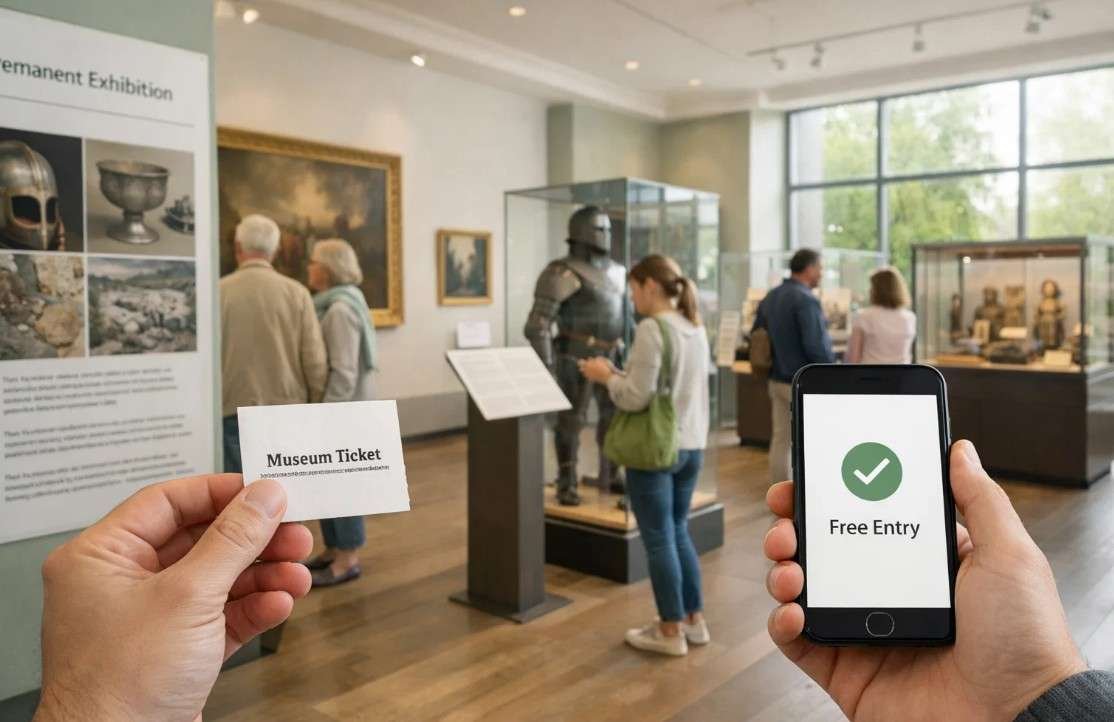
🔍 How to Check Quickly and Avoid Extra Costs
Look at the “Admission” or “Tickets” section on the museum’s website. It usually explains clearly what is included. If you want simplicity, choose days without major temporary exhibitions. Visit in the morning to avoid queues. Check photography rules to avoid interruptions.
Compare museums by format — some are best for a short visit, others for half a day. For first-time visitors, choose museums with clear layouts and thematic sections. If traveling with children, look for interactive areas. In bad weather, choose larger museums with cafés and rest areas. In good weather, prioritize those near scenic walks.
Have a backup museum nearby in case your first choice has a paid exhibition. This keeps the day flexible. Locals can keep a shortlist of free museums for weekends. Travelers should remember that meaningful impressions rarely require extra tickets. Quality matters more than quantity. Stockholm makes this easy.
- Permanent exhibitions
- Main collections
- Some family-friendly zones
- Temporary exhibitions
- Audio guides and special tours
- Lectures or special events
🍂 Planning by Season
Stockholm’s season strongly shapes your museum experience. In winter, focus on cozy indoor routes with short outdoor transitions. In summer, schedule museums for the morning and enjoy islands and waterfront walks later. Spring and autumn offer a balanced pace with fewer crowds. For first-time Scandinavia visitors, remember that daylight hours are shorter in winter. Museums help maintain a positive rhythm regardless of weather.
🌦 Easy Seasonal Scenarios
In winter, choose one large museum and one nearby backup option. Add coffee breaks to stay warm and relaxed. In summer, combine a museum with a long outdoor stroll. Spring and autumn allow more flexibility in walking routes. Always keep one indoor option for rainy days.
Seasonal interests also shift: winter suits deep historical themes, while summer fits lighter creative exhibitions. Families may prefer more indoor time in colder months. In summer, mix museum time with parks and waterfronts. Locals use seasonal changes to rediscover the city. Visitors benefit from this balanced approach.
The colder and darker it gets, the more compact your route should be. The warmer it is, the more space you can add between stops. Stockholm rewards balance. You do not need a strict schedule — just a few anchor points. That is the Scandinavian way of traveling.
🧭 Matching Museums to Your Interests
Free museums in Stockholm feel most rewarding when chosen by interest, not by checklist. Some visitors come for Viking history, others for Scandinavian design and art. For a first Scandinavian trip, combine one “explainer” museum about Sweden with one inspiring art space. Locals may experiment with new formats each visit. This approach keeps the cultural route personal and meaningful. Free admission becomes a bonus, not the main goal.
🎯 Build Your Route in 10 Minutes
Ask yourself whether you prefer facts or emotions. History museums provide context and understanding. Art museums provide inspiration and strong visuals. With half a day, choose one museum and leave time for a walk. With a full day, combine two with a long break in between. Families should prioritize interactive exhibits.
Decide on your pace: slow and immersive or quick and dynamic. Early mornings are ideal if you dislike crowds. Photographers should plan around good natural light. This flexible structure works for tourists and locals alike. It keeps the experience enjoyable rather than exhausting.
Add a pleasant “extra” — a design shop, a café, or a waterfront viewpoint. This connects museum time with city atmosphere. The day becomes memorable beyond exhibition halls. In Scandinavia, less is often more. Quality over quantity defines the experience. That is how Stockholm is best explored.
🏙 Where to Stay and Getting Around
Choosing the right base in Stockholm saves time and energy. The city is built on islands, but transport connections are excellent. Many museums can be combined into walkable routes. Central neighborhoods reduce commuting time. Easy transport access is helpful if you plan to mix museums with island trips. The simpler your logistics, the more relaxed your trip.

🚇 Avoiding Common Mistakes
If you enjoy walking, stay near central waterfront areas. If transport flexibility matters, choose accommodation near major metro stations. For local atmosphere, select neighborhoods with cafés and small shops. Short trips benefit from central locations. Longer stays allow quieter areas with direct transport links.
Think about your morning start — can you easily reach your first museum? In bad weather, simple routes are invaluable. First-time visitors should keep logistics straightforward. Returning travelers may experiment more. Comfort should outweigh small savings.
Do not change accommodation daily. A stable base reduces stress and increases enjoyment. Museums become part of your routine rather than a task. For locals, this is ideal for spontaneous visits. For visitors, it makes the city feel welcoming. That is how Stockholm stays memorable.
⏳ How Many Days to Plan
To enjoy Stockholm’s free museums without exhaustion, plan your time wisely. Two days offer a brief introduction, but three to four days feel more balanced. This allows museum visits, island walks, and relaxed coffee breaks. For locals, a weekend format works perfectly. For international visitors, extra days reduce pressure. The longer you stay, the calmer your rhythm.
📆 Sample Time Scenarios
With 1 day, visit one major museum and explore the center. With 3 days, plan two museum days using the “2+1” formula and one outdoor day. With 5+ days, space museum visits every other day. In winter, shorten daily schedules. In summer, shift cultural time to the morning. Always keep a buffer slot for rest or spontaneous plans.
Stockholm rewards slow exploration. One meaningful exhibition is better than rushing through many. Free museums allow short and flexible visits. This reflects Scandinavian travel style — calm, practical, and beautiful. Once experienced, you will want to return.
❓ Frequently Asked Questions
Usually for permanent exhibitions; temporary exhibitions may require payment.
Weekday mornings are typically the quietest.
Yes, especially those with interactive or historical exhibits.
No, Stockholm’s public transport and walkable areas are sufficient.
Plan 1.5–3 hours for a comfortable visit.

0 comments
Log in to leave a comment