



🏝 Island road trips
🏝 Why Island Routes Are the Best Way to Discover Sweden
Island routes in Sweden allow you to experience several sides of the country without long transfers. You can combine the sea, charming fishing villages, and scenic hiking trails in one trip. This format works equally well for international tourists and Scandinavians looking for a short reset. An archipelago route can be adapted to any budget and pace, from one day to a full week. Traveling between islands often feels calmer than staying in a big city, yet just as rich in impressions. If this is your first trip to Scandinavia, island hopping is one of the most welcoming ways to start.
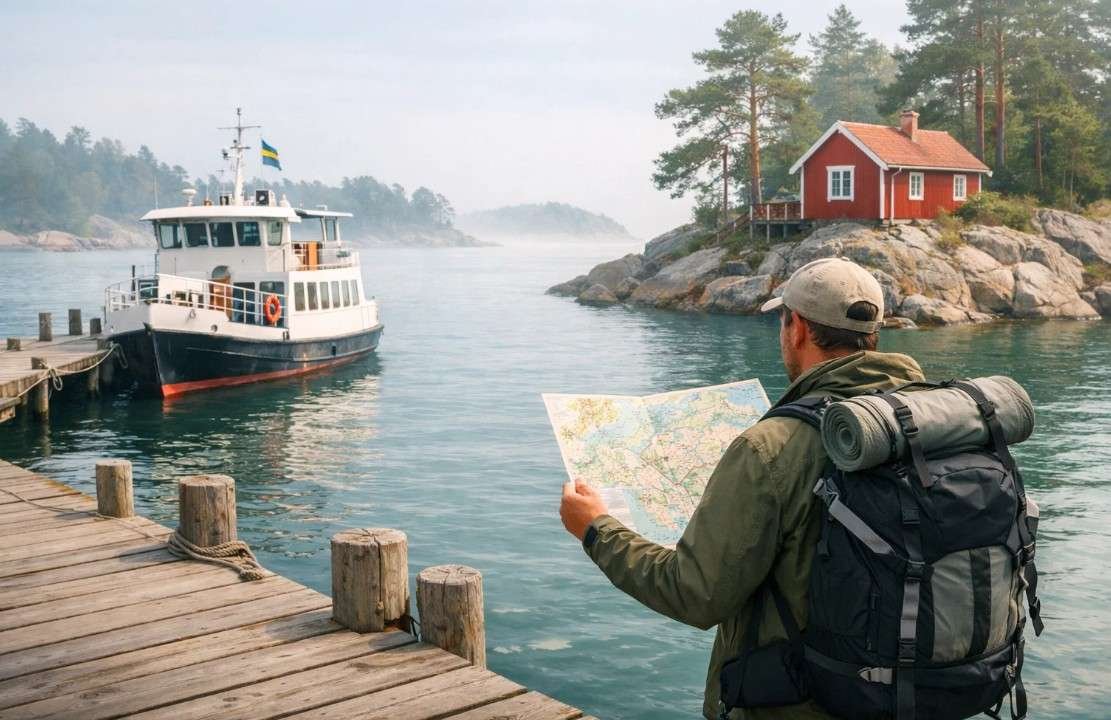
Sweden island routes • archipelago travel • island hopping Scandinavia • first trip to Sweden
☀️ How to Choose a Route by Season
In summer, the islands are at their most vibrant, and long daylight hours allow you to explore without rushing. Spring and autumn offer quieter, more atmospheric travel with dramatic coastal scenery. Winter routes are also possible, but it is best to choose islands with reliable infrastructure. For a first trip to Sweden, think about what kind of weather and activities you expect. Plan enough time on each island not only to “see” it, but to truly experience it. The cooler the season, the more you will appreciate cozy cafés and shorter transfers.
🌞 Summer: Sea, Trails and Active Days
Summer in the Swedish archipelago feels light and effortless. You can easily combine swimming, hiking, and short ferry rides. Even a simple “ferry — walk — dinner” day feels like an adventure. During high season, allow extra time for transport and reservations. For your first visit, choose islands with regular ferry connections and clear navigation.
Plan one main activity per day, such as a longer hike or kayaking trip. Leave the rest of the time for spontaneous stops and sea views. Evenings are especially beautiful and perfect for photos. Families will appreciate islands with good infrastructure and short travel times. This keeps the journey relaxed and enjoyable.
🍂 Spring and Autumn: Calm, Nature and Local Flavors
In the shoulder seasons, there are fewer visitors and more space to breathe. Walks become more reflective, and the landscapes feel dramatic. Dress in layers and check the weather forecast, as conditions can change quickly. This is an ideal time to see authentic Swedish island life. For first-time visitors, it is a quieter introduction to Scandinavia.
Spring is about fresh air and blooming landscapes, while autumn pairs well with food-focused stops and scenic trails. Choose islands with year-round cafés or shops for convenience. Avoid overpacking your schedule and allow time for spontaneous discoveries. A slower pace makes the journey feel alive rather than planned to the minute.
🧭 How to Match a Route to Your Interests
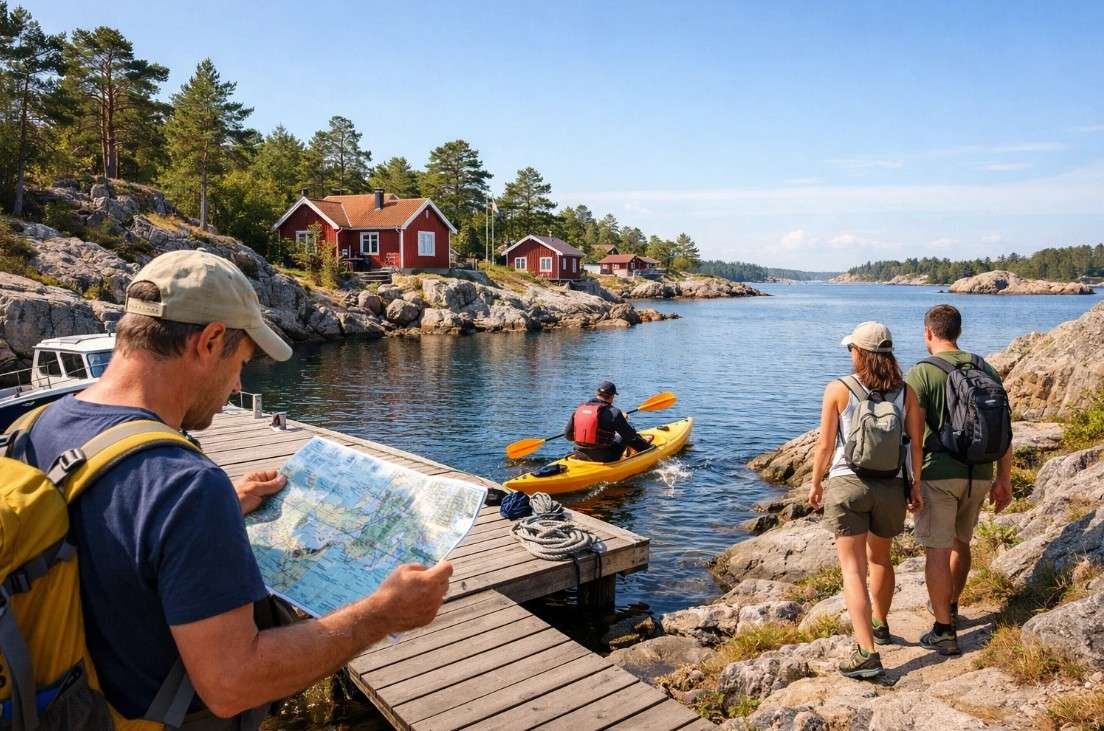
The easiest way to design an island route is to focus on what you truly enjoy. Some travelers seek hiking and outdoor activity, while others prefer peaceful sunsets and waterfront cafés. Swedish islands are flexible, allowing you to adjust your pace without changing the whole itinerary. For first-time visitors to Scandinavia, choose one core theme: nature, food, family time, romance, or digital detox. This creates a more meaningful and less stressful journey. Even locals can discover new nearby islands with this approach.
🏡 Where to Base Yourself: City or Island
Your base shapes the entire experience. For a first trip to Sweden, staying in a city provides easier logistics and more accommodation options. Staying directly on an island offers deeper immersion and a true sense of escape. Season matters, as summer fills up quickly and some off-season services may be limited. A balanced option is two nights in the city and one or two nights on an island. This gives you both comfort and atmosphere.
🚆 City Base: Convenient and Flexible
A city base simplifies transport, tickets, and luggage storage. You can adjust plans according to weather without losing accommodation. This is especially helpful for first-time visitors to Scandinavia. Cities also provide restaurants and cultural alternatives if the weather changes. It is a safe and flexible starting point.
Plan day trips to islands and return in the evening. Choose accommodation near ferry terminals or transport hubs. This makes even a short one- or two-day route efficient. Add at least one longer walk or scenic stop per island visit. That way, the experience feels complete rather than rushed.
🌿 Island Base: Full Immersion
Spending the night on an island changes the rhythm entirely. Evenings become quiet and peaceful, and mornings by the sea feel special. This format is perfect for slow travel and relaxation. For first-time visitors, select islands with reliable ferry connections. Keep the schedule light and allow time to simply enjoy the surroundings.
Focus on exploring one island deeply instead of rushing through several. Plan one full day of walking and perhaps a short excursion nearby. Check seasonal opening hours in advance. Bring layers and allow extra time for ferries. The goal is to experience the island, not just tick it off a list.
⏳ How Much Time to Plan
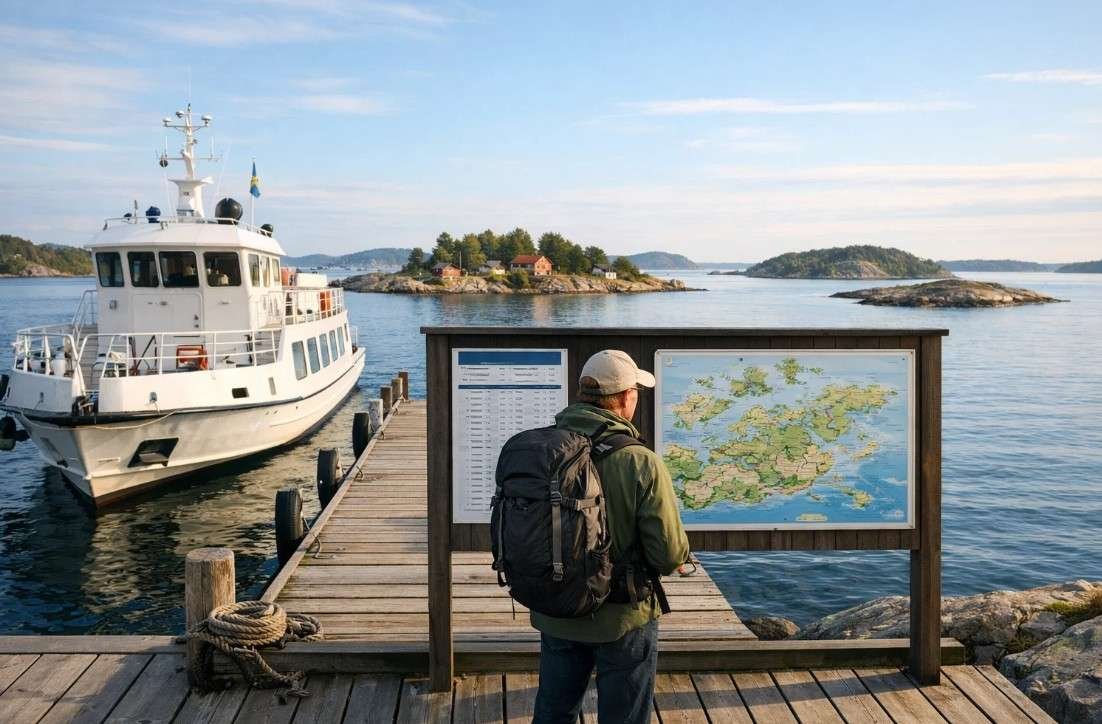
An island route can work even as a one-day escape, but pace makes a big difference. For a first trip to Sweden, 2–3 days is usually ideal. If you want to fully experience archipelago life, plan 4–7 days with overnight stays. Time flows differently on the islands, and that is part of the charm. Avoid overloading your schedule with too many stops. Fewer islands with more time often create stronger memories.
🎒 Practical Tips for Your First Island Trip
Start simple with one clear base and straightforward connections. Pack layers, as coastal winds can change the temperature quickly. Book ferries and accommodation in advance during peak season. If traveling without a car, check transport links carefully. Leave room for weather changes and spontaneous stops. The best island journeys are balanced between planning and flexibility.
❓ Questions & Answers
A 2–3 day route with a city base and one or two island trips works perfectly.
Yes, many archipelagos are accessible by public transport and ferries.
Summer offers the most activities, while spring and autumn provide a calmer atmosphere.
Two to three days are usually sufficient, but a week allows deeper immersion.
Choose one main focus and limit yourself to one or two key stops per day.

0 comments
Log in to leave a comment