



🧭 Stockholm
🧭 Why Stockholm Is Worth Visiting
Stockholm is the capital of Sweden, where city life and water exist in perfect balance. It feels both historic and modern, making it appealing to travelers and residents of Scandinavia alike. It is an ideal starting point for a first trip to the Nordic region because everything is organized, safe, and easy to navigate. The city allows you to build your itinerary around any season or interest. Even a short visit feels rich and complete because distances are manageable. And if you choose to explore deeper, Stockholm quickly reveals itself through its neighborhoods, museums, and islands.
🧩 How to Prepare for Your First Scandinavian Trip
Stockholm is perfect for travelers visiting Scandinavia for the first time. The city naturally introduces you to the Nordic lifestyle: calm, comfort, and respect for space. Public transport is intuitive, neighborhoods are well structured, and nature is always nearby. The weather can change quickly, so flexibility is key. Before arriving, decide what matters most to you: museums, walking routes, or gastronomy.
Avoid trying to see everything in one day and instead leave breathing room in your schedule. Plan your route by islands: city center one day, museums the next, archipelago after that. Consider daylight hours, which are short in winter and long in summer. If photography is important to you, reserve time for early morning and evening light by the water. If you are focused on atmosphere, add one slow, relaxing stop per day such as a park or café.
Choose accommodation near a metro station to stay flexible in any weather. Wear comfortable walking shoes because Stockholm invites exploration. Keep one or two key highlights per day and leave the rest open. The city rewards slower travel. Flexibility often leads to the best experiences.
🏙️ First Impressions of Stockholm
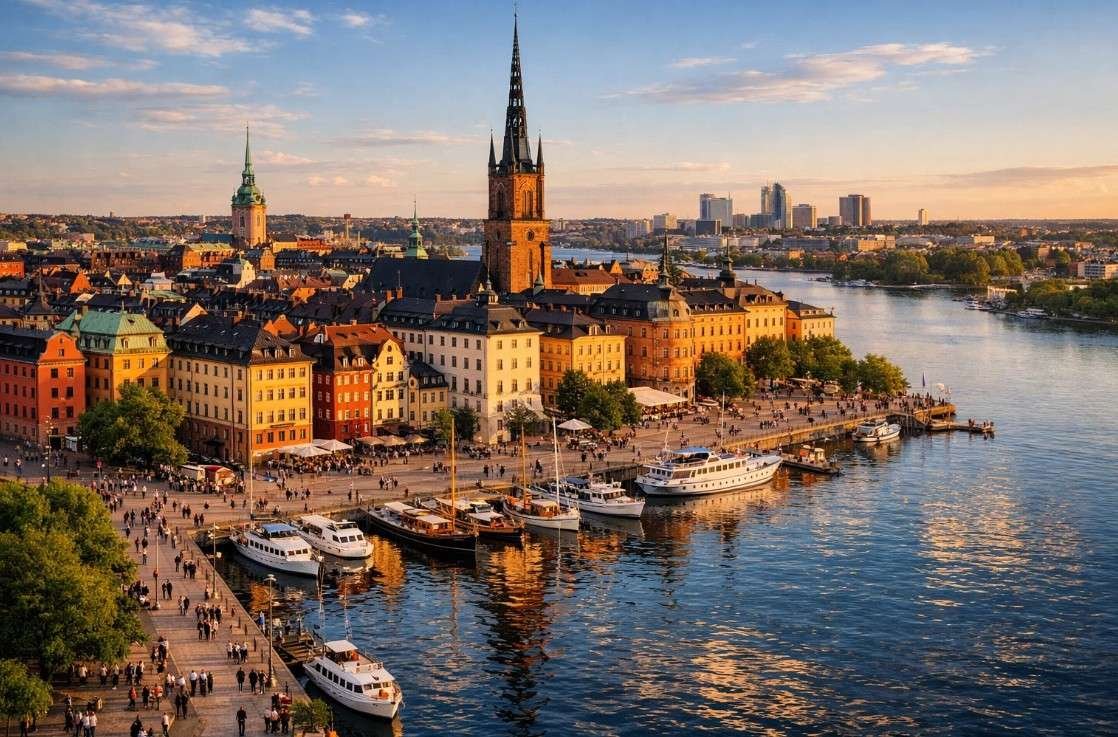
Stockholm leaves a strong impression thanks to its combination of water, islands, and elegant architecture. In a single day, you can move from medieval streets to modern design spaces. The city is visually stunning, with panoramic views almost everywhere. Even aimless walks often lead to beautiful discoveries. It is also ideal for a weekend getaway from other Scandinavian countries. Most importantly, it is a city people return to because each district feels different.
🏰 What You Should Experience: Old Town, Water, and Nordic Design
Gamla Stan offers more than landmarks; it creates a mood with cobbled streets and colorful facades. Early mornings are especially magical before crowds arrive. Water is not a background element but part of the journey. A short waterfront walk can feel like a small adventure. Scandinavian design appears in shop windows, cafés, and public spaces.
Choose one panoramic viewpoint and one waterfront walk each day. Stockholm works best with a “walk–pause–observe” rhythm. One island per day creates a clear structure. Families benefit from open spaces and shorter museum visits. If you live in Scandinavia, compare neighborhoods for subtle cultural differences. Evening light softens the city beautifully.
Modern districts create contrast after visiting the old town. Crossing a bridge can feel like entering another city. There are many comfortable spaces to rest and recharge. Comfort is part of the travel experience here. Balance outdoor exploration with one indoor highlight daily. Leave room for spontaneity.
🍃 Choosing Your Route by Season
The season strongly shapes your Stockholm experience. Summer highlights water, islands, and long daylight hours. Spring and autumn are ideal for museums and relaxed neighborhood walks. Winter transforms the city into a cozy Nordic setting. Instead of fighting the weather, adapt your itinerary to it. This approach guarantees a satisfying trip.
☀🍂❄ Building Your Seasonal Plan
In summer, focus on the archipelago, parks, and waterfront routes. Plan one major indoor activity in the morning and outdoor exploration later. Even in summer, bring a light jacket because it can be windy near the water. Short boat trips create memorable highlights. Use long daylight hours for scenic evenings.
During spring and autumn, combine museums, cafés, and district walks. Fewer tourists and better accommodation availability make travel easier. Organize your days by neighborhood clusters. Always keep an indoor alternative for rainy moments. Sunshine can instantly shift your plans toward parks and waterfronts.
In winter, keep activities compact and centered around daylight. Plan one or two main highlights daily. Christmas markets and illuminated streets create atmosphere. Dress in layers for comfort. Winter in Stockholm is about coziness rather than speed.
🎯 Planning by Interest
Stockholm adapts easily to different travel styles: culture, nature, family, or gastronomy. Choose one main focus to avoid overloading your schedule. Some travelers prioritize museums and history, others islands and outdoor walks. Families benefit from slower pacing and parks. Food lovers can explore markets and cafés. Even residents of Scandinavia enjoy discovering subtle differences in Stockholm’s vibe.
🧠🌿👨👩👧👦🍴 Four Travel Scenarios
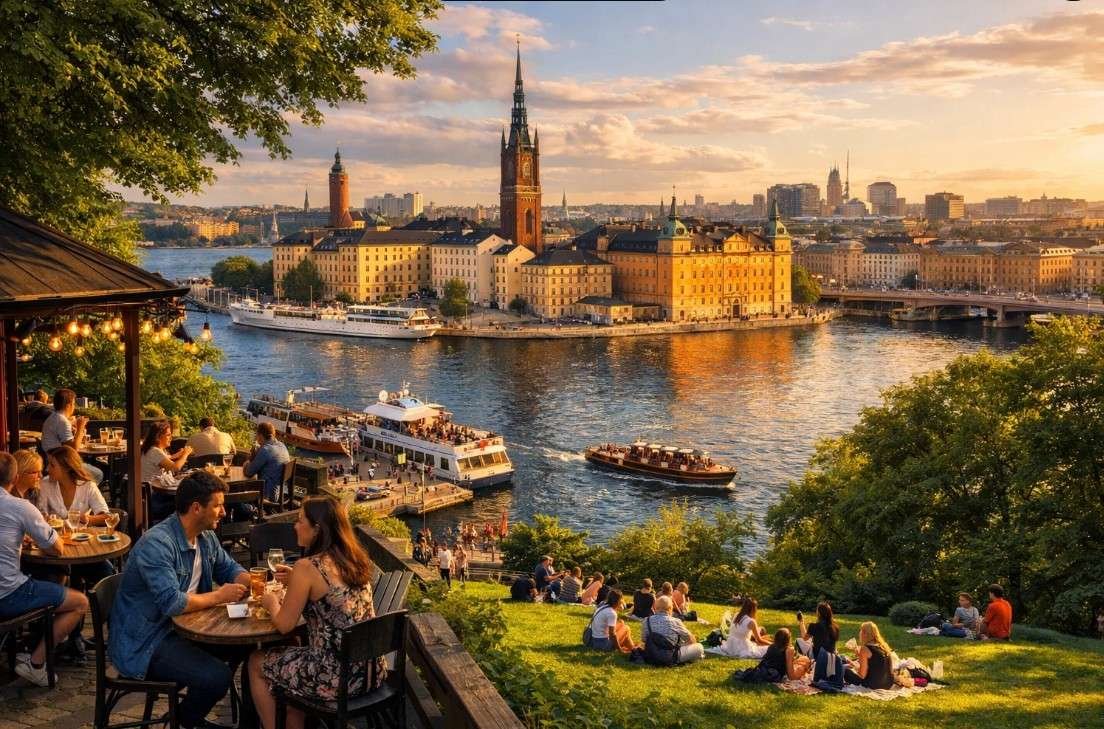
For a cultural itinerary, select one main museum per day and pair it with a neighborhood walk. Morning visits allow quieter exploration. Take breaks in cafés to maintain energy. End the day by the water. This balance keeps experiences fresh.
For nature-focused trips, combine parks, waterfronts, and short archipelago excursions. Plan rest points along the way. Windy days call for sheltered routes. Leave extra time for scenic pauses. Water views are often the highlight.
Family trips require efficient logistics and fewer transfers. Choose open spaces and interactive venues. Plan meals in advance to avoid stress. Keep daily distances manageable. Stockholm works very well for family travel.
Gastronomic routes revolve around key dining spots and neighborhood cafés. Include at least one traditional fika experience. Balance meals with walks to different districts. Vary casual and refined dining. Food becomes part of understanding local culture.
One museum + one district walk daily
Parks + water + short boat trip
Fewer transfers + open spaces
Markets + fika + neighborhood dining
🏨 Where to Stay in Stockholm
Choosing the right base simplifies your entire trip. For a first visit, central locations save time and energy. Gamla Stan offers atmosphere and proximity to major sights. Norrmalm provides transport convenience. Södermalm appeals to those seeking a creative, local vibe. Staying near a metro station is always practical.
🗺️ Gamla Stan, Norrmalm, or Södermalm?
Gamla Stan suits travelers who want to stay inside history. Early mornings there feel magical. Many sights are within walking distance. It may be busier in high season. Still, it is memorable for first-timers.
Norrmalm is logistically efficient and well connected. It works well for active itineraries. Accommodation options are diverse. It is easy to reach other districts. Practical travelers often prefer it.
Södermalm offers creativity and viewpoints. It feels more local and relaxed. You may use transport slightly more often. It appeals to repeat visitors. The atmosphere feels authentic.
⏳ How Many Days Do You Need?
Stockholm works well for both short and extended stays. Two to three days cover the essentials. Four to five days allow a relaxed rhythm and archipelago visits. A full week enables deeper exploration. For first-time visitors to Scandinavia, four to five days are ideal. This balance prevents fatigue while offering depth.
🧾 2–3, 4–5, or 7 Days?
In 2–3 days, keep your route compact. One main attraction and one waterfront walk per day is enough. Focus on the historic center and one additional district. Avoid over-scheduling. Quality over quantity works best.
With 4–5 days, add the archipelago and slower exploration. This format suits both tourists and Nordic residents seeking a short escape. You gain flexibility with weather changes. Spontaneous discoveries become possible. The city truly opens up.
With 7 days, travel at a Scandinavian pace. Divide the city into zones. Alternate active and relaxed days. Include more islands and green spaces. This feels less like sightseeing and more like living locally.
💡 Practical Tips for First-Time Visitors
Stockholm is easy to navigate, but small details improve the experience. Public transport is efficient and user-friendly. Cashless payments are standard. Weather shifts quickly, especially near water. Book popular attractions in advance during peak season. Always keep a flexible backup plan.
✅ Transport, Weather, and Planning
Metro and walking routes are usually enough. Staying near public transport simplifies logistics. Comfortable shoes are essential. Layered clothing works year-round. Cars are unnecessary in the city.
Advance bookings save time in high season. Accommodation fills quickly in summer. Combine city days with one archipelago excursion. Stockholm supports independent travel very well. It remains one of the best gateways to Scandinavia.
❓ Questions & Answers
Summer for archipelago and light, winter for atmosphere, spring and autumn for museums.
Minimum 2–3 days, ideally 4–5.
Gamla Stan for atmosphere or Norrmalm for convenience.
No, public transport is sufficient.
Choose one focus—culture, nature, family, or food—and build your days around it.

0 comments
Log in to leave a comment