



🚋 Västtrafik transport
🚋 What Is Västtrafik and Where Does It Operate
Västtrafik is the public transport system of Western Sweden, connecting Gothenburg with the entire Västra Götaland region. It allows travelers to move around easily without a car and makes exploring Scandinavia simple and stress-free. The network includes trams, buses, regional trains, and ferries working as one integrated system. Even if it’s your first time in Sweden, the routes are relatively easy to understand. Timetables are generally reliable, and transfers are logically organized. This makes the system convenient both for tourists and for residents of the region.
🧭 Types of Transport and Travel Scenarios
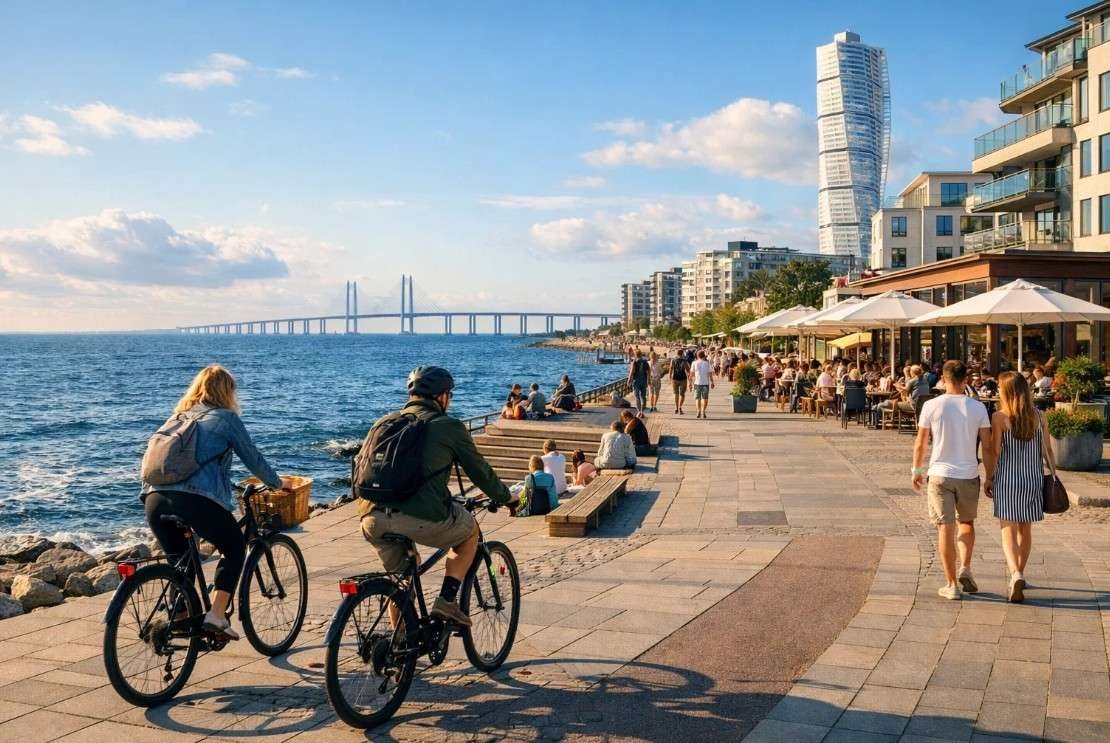
Trams in Gothenburg cover the main districts and provide quick access to the city center, museums, and waterfront areas. Buses complement the tram network and reach neighborhoods without tram lines. Regional trains connect Gothenburg with other towns in the region and are ideal for day trips. Ferries provide access to the archipelago and turn the journey itself into part of the experience. Altogether, the system feels cohesive and intuitive.
When planning your trip, it helps to identify your key destinations in advance and arrange them in a logical order. If your focus is mainly on the city, routes will be compact and straightforward. If you want to explore the islands or coastal areas, ferry schedules should be considered. For business trips, direct routes with fewer transfers are often more efficient. This structured approach helps you maintain a comfortable travel pace.
If this is your first visit to Scandinavia, start with the simplest routes and gradually expand your plans. Public transport helps you adapt quickly and gain confidence in a new environment. Even short rides can become part of your cultural experience thanks to the cleanliness and organization. The system is not overloaded with complicated схемes and works in a calm manner. This creates a sense of order and security.
🎫 Tickets, Zones, and Payment Options
The system operates on a zone-based fare structure, meaning the price depends on distance and selected zones. The most convenient way to purchase tickets is through the mobile app, which allows you to choose your ticket in advance. For active travel throughout the day, daily or multi-day tickets are often more cost-effective. Single tickets are suitable for occasional trips and a slower travel pace. Ticket inspections are conducted randomly, so your ticket must remain valid for the entire journey. Choosing the right ticket type saves both time and stress.
📲 How to Choose the Right Ticket
If you plan several trips per day, a day pass eliminates the need to buy tickets repeatedly. It is especially useful for a busy itinerary across different neighborhoods. For limited travel, single tickets may be sufficient. It is important to check which zone your accommodation is located in and where you intend to travel. This helps avoid unnecessary expenses.
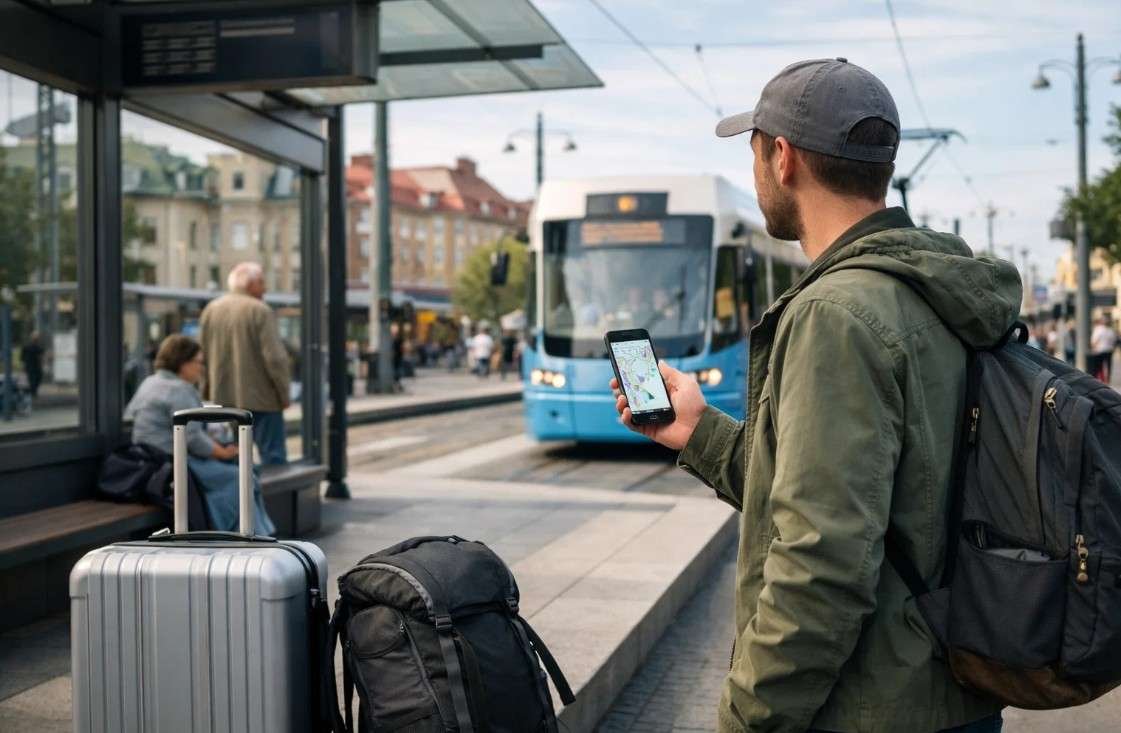
When traveling outside the city center, check zone boundaries and fares in advance. The app usually displays the route and price before purchase confirmation. This makes planning transparent and predictable. For tourists, this system is particularly convenient because everything is handled digitally. Ticket management stays within your smartphone.
If you are traveling in a group, decide in advance who will manage the tickets. One person can store and present them during inspections. This simplifies transfers and reduces confusion. Calm preparation makes journeys smoother. Overall, the experience becomes more comfortable.
🎫 Quick Ticket Tips
- For an active day, a day pass is often more economical.
- For occasional trips, single tickets may be enough.
- Check zones in advance when traveling outside the city.
- The app simplifies planning and ticket control.
🗺 How to Choose Routes by Season and Interests
The season in Western Sweden significantly influences travel experiences. In summer, trips to the archipelago and coastal areas are especially popular. Spring and autumn are ideal for combining city walks with nature excursions. In winter, compact city routes with fewer outdoor waiting times are more comfortable. You can easily design a themed day focused on culture, waterfront walks, or gastronomy. The flexibility of the system allows you to adapt your plans to any travel style.

🌊 Seasonal Travel Scenarios
In summer, a ferry trip to the islands often becomes the highlight of the journey, offering stunning views of the sea and rocky coastline. It is best to dedicate a full day to such an excursion without overloading the schedule. A relaxed pace allows you to fully enjoy the archipelago atmosphere. Returning to the city in the evening creates a pleasant contrast. This format works well for both tourists and locals.
In spring and autumn, city exploration can be combined with short trips to coastal districts. Weather can change quickly, so having a backup plan is helpful. Urban routes are easy to adjust throughout the day. This flexibility makes your itinerary more resilient. You control the intensity of your schedule.
In winter, it is practical to focus on cultural venues and compact routes within the city. Warm cafés and museums create a cozy atmosphere. Avoiding complex transfers and long outdoor waits improves comfort. Planning with extra time reduces fatigue. This approach makes the trip more enjoyable.
🏨 Where to Stay: City Center or Suburbs
Your accommodation choice directly affects your daily logistics. Staying in the city center provides quick access to major attractions and makes spontaneous changes easier. Suburban areas are often quieter and more affordable. However, commuting to the center requires additional travel time. For a first trip, choosing accommodation with minimal transfers is usually simpler. A well-chosen base saves energy and enhances flexibility.
🧩 A Practical Approach to Choosing a District
The city center suits travelers seeking an intensive urban experience with minimal commuting time. Most routes start or pass through central areas, simplifying logistics. This is particularly convenient for short stays. It is easier to adjust plans if the weather changes. Overall, this option offers maximum flexibility.
Suburbs are ideal for those who prefer a quieter and more relaxed environment. It is important to check transport frequency and travel time to the center. Long daily commutes can become tiring. Areas with direct connections are usually the best choice. This creates a comfortable balance between cost and convenience.
If you plan regional excursions, choose accommodation near a major transport hub. This makes morning departures faster and evening returns easier. Thoughtful logistics reduce stress. This is especially valuable on your first visit to Sweden. A convenient base helps preserve energy.
🏨 Quick Tip on Choosing a Base: City center offers maximum flexibility and fast access to routes. Suburbs provide peace and often lower prices. Choose a balance between travel time and budget.
⏳ How Much Time to Allocate for Travel
Travel duration depends on distance and the number of transfers. Within the city, journeys are usually reasonably short, though waiting times should be considered. Trips to the archipelago or regional destinations require more planning time. It is better to add a buffer than to rush and feel stressed. A slower pace aligns well with Scandinavian travel culture. This approach makes the experience more harmonious.
🕒 Planning Time Without Overloading Your Schedule
For a city day, choose a few key locations and leave space for spontaneous walks. Trying to see everything in one day is rarely satisfying. Breaks for rest make your schedule more sustainable. A small time buffer reduces stress during transfers. This adds flexibility.
For archipelago trips, allocate a full day so travel and exploration do not feel rushed. The islands encourage a slower rhythm and scenic enjoyment. Plan your return time in advance. Allow room for spontaneous stops. This makes the day fulfilling without exhaustion.
For regional travel, select one main destination per day. Additional stops can be added depending on your energy level. An overloaded itinerary quickly leads to fatigue. Comfort is more important than quantity. This helps preserve energy until the end of your trip.
🌿 Practical Tips for Your First Trip to Scandinavia
Planning routes through the app increases confidence and clarity. Punctual transport helps structure your day effectively. Having an alternative plan for changing weather is wise. Calm behavior aligns with local culture. Respecting personal space is important on public transport. Flexibility and preparation make your trip smoother.
✅ A Quick Checklist for a Confident Start
Save key routes in advance and check your ticket before boarding. Add a small time buffer for transfers, especially during your first days. Start with simple city routes before expanding your plans. Prepare an alternative option in case of rain or wind. This approach makes adaptation easier.
Avoid overloading your first days with a dense schedule and allow time for rest. Depart earlier during high season to avoid peak hours. Consider weather conditions when planning coastal trips. Staying calm and flexible enhances the experience. This is especially important on your first visit to Sweden.
Thoughtful logistics reduce fatigue and save time. Trust official schedules and information sources. Plan routes sequentially without unnecessary rushing. A slower rhythm reflects Scandinavian lifestyle. This is how your journey becomes truly comfortable.
❓ Questions & Answers
No, a digital ticket on your smartphone is sufficient.
Yes, ferries are part of the public transport network.
Yes, it is convenient for regional travel and same-day returns.
It is wise to have a buffer of 5–15 minutes.
Yes, if you plan active travel for several days, it is often more economical than single tickets.

0 comments
Log in to leave a comment