



⚓ Gothenburg archipelago boats
⚓ Traveling the Gothenburg Archipelago by Boat: What You Need to Know
The Gothenburg archipelago is one of the most enjoyable destinations on Sweden’s west coast for both short and longer trips. People come here for the sea air, peaceful islands, walks across smooth coastal rocks, and the feeling of real Scandinavia without too much rush. The main feature of the region is that boats and ferries are not just a tourist attraction, but part of the everyday transport system. That makes island travel easy to fit even into a short stay in Gothenburg. This format works well both for first-time visitors to Sweden and for travelers from neighboring Nordic countries looking for a refreshing weekend away. The archipelago is attractive in every season because each time of year gives the route a different mood.
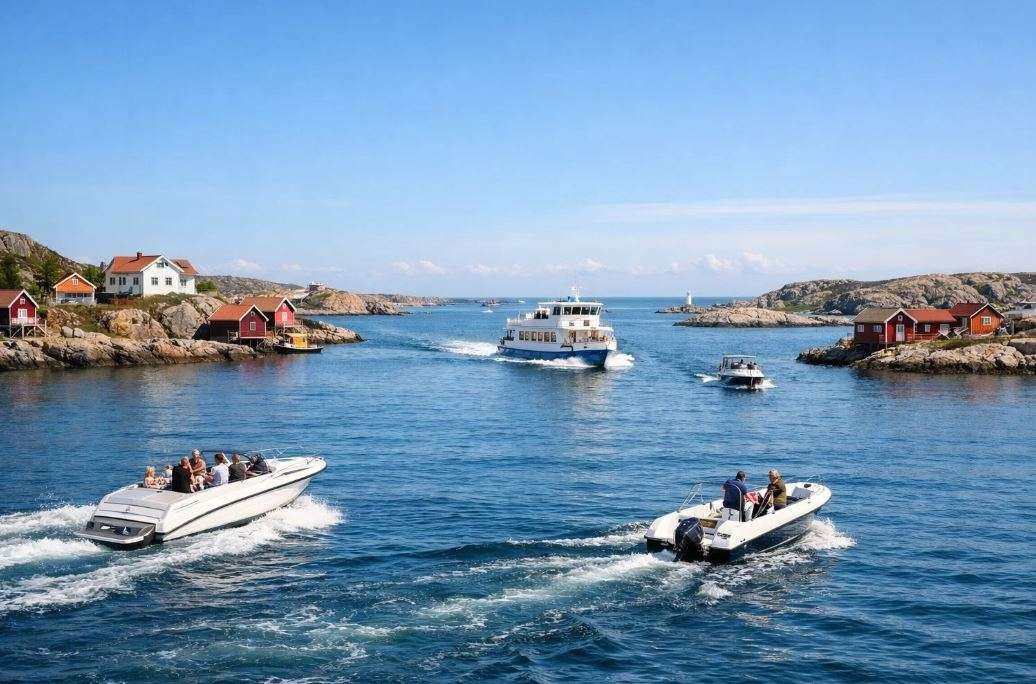
🚤 Why the Gothenburg Archipelago Is a Great First Trip in Scandinavia
The archipelago near Gothenburg is convenient because it does not require complicated planning or long transfers. First, the traveler gets to the city, then simply continues by public transport to the ferry terminal. The whole route feels clear even for people who have never used Swedish ferries before. It is easy to combine time in the city with time by the sea. That is why the archipelago is often recommended to travelers who want to see Sweden beyond streets and museums.
For a first trip, it is especially important that the islands have different characters while still staying easy to reach. Some are better for slow walks, while others are good for beaches, rocky viewpoints, and fishing village atmosphere. There is no need to rent a car in order to feel freedom of movement. On many routes, everything feels calm and logical. This makes the archipelago easy to understand even for independent travelers with little experience.
🚤 How Boats and Ferries Work in the Gothenburg Archipelago
Boats and ferries in the Gothenburg archipelago are built into the region’s regular public transport system. For travelers, this means island hopping feels like a natural part of a trip around Sweden rather than a separate tour. Most passengers follow the same simple pattern as in the city: check the timetable, choose the right terminal, and board the ferry. This is especially useful for people who do not want to overpay for organized excursions. It is also pleasant that the journey itself becomes part of the experience thanks to sea views and changing island scenery. Before a first trip, it is enough to understand where the ferries leave from and how the southern archipelago differs from the northern one.
🛥️ Västtrafik Ferries as the Main Way to Get Around
Most routes in the archipelago are operated by Västtrafik, and this is the system that most travelers use. This makes the trip very convenient because the logic of moving around stays familiar for anyone who has already used public transport in Sweden. Ferries here feel almost like trams or buses, only with the sea instead of streets in front of you. In practice, this makes the journey more accessible and less tiring. It is especially useful for first-time visitors who do not want to deal with complicated transport systems.
For the southern archipelago, one of the main starting points is often Saltholmen, which is easy to reach from Gothenburg. The terminals are usually calm and well organized. Ferries run on a schedule, so even a one-day trip is easy to plan. This matters a lot when time is limited. Even a short crossing offers beautiful views of the water, rocky shores, and island houses.
🧭 Southern and Northern Archipelago: Which One to Choose
The southern archipelago is often chosen by people who want calm surroundings, walks, and a holiday feeling without cars. This part is especially appealing to travelers looking for a slower rhythm and a softer seaside atmosphere. It is easier here to walk between villages, breathe in the salty air, and stop by the water. The southern islands are very good for a first introduction to the region. They give a complete impression of Swedish island life.
The northern archipelago usually feels more varied in structure and everyday life. It is easier there to build routes if you want to see more of the local coastal side and residential settlements. Some islands in the north create the feeling of a living coastal world. This can be especially interesting for Scandinavian travelers who value authenticity, not just postcard views. For a trip of several days, this part of the archipelago also works very well.
🗺️ Quick choice: southern or northern archipelago
- More peaceful atmosphere and slower rhythm
- Ideal for a first trip and scenic walks
- Great for a short one-day route
- A strong choice for sea views, nature, and quiet
- A more varied coastal feeling
- Interesting for a 2–3 day trip
- Good for travelers who want more local life
- Works well for a fuller itinerary
🗺️ The Best Islands in the Gothenburg Archipelago for a First Trip
The islands of the Gothenburg archipelago differ not only in size, but also in mood. Some are better for gentle walks by the water, while others suit a longer day with viewpoints, walking paths, and lunch stops. For a first trip, it is important not to try to include every island in one route. It is much better to choose two or three places that match the season and your pace. Then the journey feels more complete and memorable. The most popular islands work well because they combine accessibility, beautiful views, and simple logistics.
🌊 Popular Islands Among Travelers
Styrsö is often chosen for its balance of accessibility, nature, and classic island atmosphere. It is pleasant for slow walks, watching houses, boats, and coastal paths. The island suits travelers who want to experience the archipelago calmly and without an overly active plan. It is easy to include in a first route. At the same time, it gives a strong picture of Swedish island life.
Vrångö appeals to people who want more nature and a stronger sense of the open sea. It is especially good for longer walks, rocky scenery, and spending time outdoors. This island feels more open and maritime in mood. Brännö, Hönö, and Fotö are also interesting for calm trips and short stops. This variety is exactly what makes the archipelago good for repeat visits.
🌿 Islands for Nature, Walks, and Quiet Relaxation
If you want more peace and quiet, it is best to choose islands with good walking routes and open coastal stretches. In such places, it is easy to spend half a day without feeling rushed. The landscape of the archipelago is built on the combination of rocks, water, wind, and light. That is why a walk here is often more memorable than a busy sightseeing program. This format suits a calm Scandinavian-style trip very well.
Nature-focused islands appeal to travelers who enjoy longer walks without city pressure. Here you can watch the sea, pause by the shore, and change the rhythm of the day according to your mood. Fishing villages add character and help you feel the region’s connection to the sea. Even a short stop in such a place makes the trip feel more alive. If you do not chase the number of islands, the impressions become deeper and more rewarding.
📅 When Is the Best Time to Visit the Gothenburg Archipelago
The season has a strong effect on how a trip through the islands feels. In summer, the archipelago looks more lively, in spring and autumn it feels calmer and more photogenic, and in winter it becomes almost intimate. There is no universal perfect time because much depends on why exactly you want to visit the islands. Some people care most about walks and cafés, while others want empty paths, sea air, and silence. For a first visit, it helps to decide in advance whether you want an active route or a slow escape. Then the season supports the experience instead of limiting it.
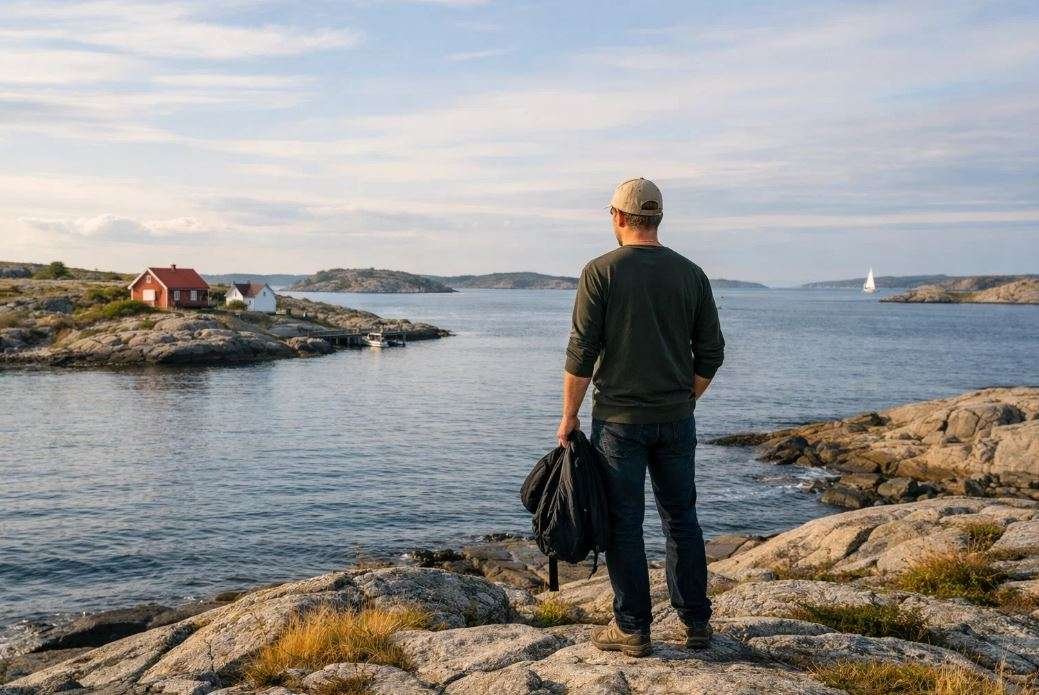
☀️ Summer as the Best Season for Island Trips
Summer is the easiest time to build fuller routes because there are usually more departures and the days are longer. It is the season when the archipelago feels most open for slow travel with several stops. You can combine crossings, walks, swimming, and breaks in cafés by the water. For people visiting Sweden for the first time, summer often feels like the clearest and most comfortable format. Everything looks bright, lively, and friendly for independent travel.
The summer archipelago is especially good for travelers who want to see the islands in their most open and colorful form. There is more movement along the shore, and in good weather the walks can last almost the whole day. It is a convenient time for photography, longer stops, and seeing several islands. Still, summer is exactly when it is important not to try to do too much in one day. It is better to leave room for pauses and enjoy the journey between places.
🍂 Spring and Autumn as the Best Time for Walks
In spring and autumn, the archipelago opens up in a softer and calmer way. During these months, there is less tourist noise and it is easier to feel the real rhythm of the coast. The landscapes look more graphic, and the sea often gives a strong mood to the whole route. This is a very good time for walking. It is especially pleasant for travelers who value atmosphere more than a packed schedule.
Spring and autumn trips work well for one or two islands in a day. In this format, there is no need to rush, and more time can be given to the place itself rather than the transfers. The light, wind, and changing weather make the trip feel more cinematic. This is a strong choice for people who love restrained northern beauty. The main thing is to dress for the weather and keep the route flexible.
❄️ Winter for Short but Atmospheric Routes
In winter, the archipelago becomes quieter and more focused in mood. This is not the season for a long island-hopping race, but for a shorter trip built around atmosphere. The sea, wind, cold light, and nearly empty spaces create a powerful impression. This kind of route is especially good for people who love northern aesthetics and do not mind the cold. In winter, the archipelago feels more reflective and raw.
In the colder months, it is better to plan one main goal rather than a long chain of islands. Then you do not have to depend on an overly tight schedule and can adjust more calmly to the day. A winter trip requires warmer clothes and a little more attention to the weather. At the same time, it is in winter that the contrast between city and sea feels strongest. For a first trip, it is simply important not to expect summer intensity and to keep the day compact.
🕒 Seasonal guide for planning your trip
The best choice for a full day, several islands, long walks, and breaks by the water.
Great for calm routes, atmospheric views, photography, and a slower rhythm.
Ideal for a short trip focused on northern mood, sea air, wind, and silence.
🏨 Where to Stay for Island Trips
Your base has a big influence on how convenient the whole archipelago trip feels. Some travelers prefer staying in Gothenburg and going out to the ferries for the day, while others like spending the night on one of the islands and slowing everything down. For a first trip, a city base is usually easier. It gives you more flexibility with weather, food, and transport. Still, an island overnight stay can become an important part of the experience if you want quiet and closeness to the sea. It is best to choose not by pretty pictures, but by the pace of travel you really want.
🏙️ Gothenburg as the Most Convenient Base
Gothenburg is usually the most practical choice for a first trip through the archipelago. In the city, it is easier to find accommodation for different budgets and to adapt your route to arrival and departure times. From here, you can easily head out to the ferries for the day and come back in the evening to a more lively urban setting. This is especially convenient for people who want to combine islands, cafés, and walks around the city itself. This format makes the trip varied and easy to understand.
Another advantage of using the city as a base is flexibility. If the weather changes, you can spend part of the day in Gothenburg and move the island trip to the next day. For first-time visitors, this lowers stress and makes the journey easier. Gothenburg is also simpler for restaurants, shops, transport, and evening plans. That is why the city usually becomes the best starting base.
🌅 Staying on the Islands for a Slower Trip
Staying overnight on an island suits travelers who want more than just a day trip. This format makes the journey slower, more intimate, and more connected to nature. Morning and evening on an island feel different from a short daytime visit. It is a good choice for people who value silence, sea air, and the chance not to rush back to the city. It is especially pleasant in summer or in the softer shoulder seasons.
An overnight stay often gives a deeper impression of the place. During the day, the archipelago can seem like a beautiful route, but in the evening it begins to feel like a separate world. You get more time for aimless walks and peaceful pauses by the water. Still, an island base works best when you consciously choose a slower rhythm. Then the trip becomes truly memorable.
⏱️ How Many Days You Need for the Gothenburg Archipelago
It is better to choose the length of the trip not by the maximum number of islands, but by the rhythm you want. You can see the archipelago in one day, but it opens up very differently over two or three days. If you have more time, it becomes possible to combine different parts of the coast without feeling rushed. For a first trip, it is especially important not to overload the plan with too much ambition. Sea travel feels best when there is room for stops, weather changes, and small discoveries. That is why a realistic duration almost always gives a better result than trying to see everything at once.
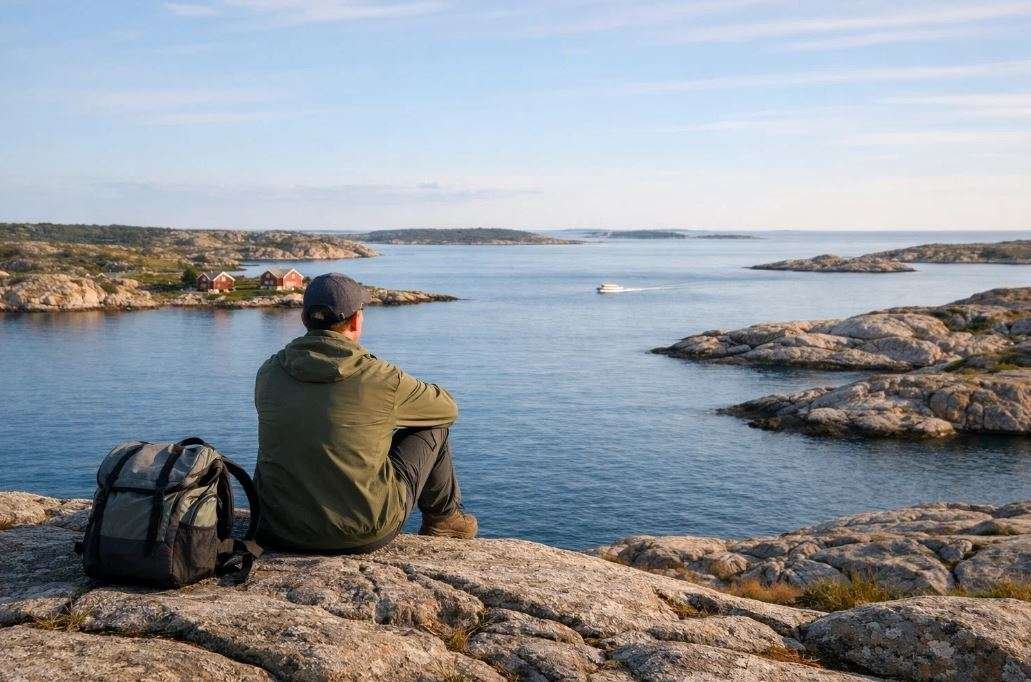
⌛ If You Only Have One Day
One day is enough for a first introduction to the archipelago if you do not try to include too much. It is better to choose one main island or two places that fit naturally together. Then the day feels complete rather than like a race between terminals. For a first visit, this is actually helpful because it lets you feel the region properly. This option is especially convenient during a short stay in Gothenburg.
In a one-day route, it is important to allow time not only for the crossing but also for the island itself. The walk, the stop by the water, and the calm rhythm are what make the trip memorable. If everything is planned too tightly, the sea journey can turn into transport only. That is why it is better to choose less and experience the route more deeply. One day is a very good format for a gentle start.
🧳 2–3 Days as the Best Option
Two or three days usually give the best balance between variety and comfort. In that time, you can see several islands without turning the trip into a logistics marathon. There is space to choose your pace and adapt to the weather. One day can be more active and another more relaxed and walk-focused. For a first visit to the archipelago, this is the strongest format.
This amount of time lets you combine the city and the islands without feeling that anything important was left out. You can spend part of the trip in Gothenburg and then devote one or two separate days to sea routes. Another advantage of the 2–3 day format is that it gives you the freedom not to hurry. You can stop at a café, stay longer on a walk, or change the route according to your mood. This is exactly the pace at which the archipelago usually shows itself best.
🌍 4–5 Days for a Full Archipelago Journey
If you have four or five days, the archipelago can be explored as a destination in itself rather than as an addition to Gothenburg. This amount of time suits travelers who want to sink deeper into the coastal rhythm and avoid rushing. You get the chance to combine different islands, change your base, or add longer walks. On a trip like this, the differences between parts of the archipelago become much clearer. It turns from a simple excursion into a small Scandinavian seaside story.
A longer trip also lets you leave room for slow days, which is very important here. You do not need to move to a new island every day, and sometimes it is better to spend more time in one place. This approach makes the impressions deeper and less disposable. For people who love nature and slow travel, it is close to ideal. Even in 4–5 days, it is still better to build the trip around a few strong places rather than trying to cover everything.
🕒 How much time to plan for the route
Good for a first trip, one main island, and a calm introduction to the sea atmosphere.
The best option for most travelers who want to see several islands without rushing.
Suitable for a fuller holiday with different routes, overnight stays, and a slower rhythm.
🎒 Useful Tips Before Traveling to the Islands
Practical details make a trip through the archipelago much calmer and more enjoyable. Even a beautiful route can become tiring if you do not check the ferry times, forget about the wind, or choose a plan that is too ambitious. For a first trip, it is especially important to simplify the day and leave yourself extra time. Then the journey will not depend on rushing or small random problems. The most useful tips here are quite simple, but they often shape the final impression more than anything else. Good preparation does not make the trip heavier, but freer.
🎫 How to Buy Ferry Tickets
Before the trip, it is best to understand the Västtrafik ticket system in advance so you do not waste time on unnecessary decisions on the spot. Once the basics are clear, the whole route feels much calmer. The traveler sees the day as one connected journey rather than as a set of separate tickets and steps. This is especially useful for people who are using transport in Sweden for the first time. Simple preparation in advance gives a sense of confidence from the very morning.
The easiest way is usually to use the app, because it helps you navigate routes and not depend on random queues. When buying a ticket, it is important to think not only about the ferry crossing, but also about the journey to the terminal and back. If you see the trip as one whole route, the logistics become much easier. Then the day feels more organized and less fragmented. For a first visit, this is an especially useful approach.
🧥 What to Bring With You
Even in summer, the islands can be windy, so a light windproof jacket is almost always a good idea. Weather by the sea changes faster than in the city, and it is worth keeping that in mind from the start. Comfortable shoes are also very important, because even a calm walk through the archipelago can become longer than it first seems. It is best to be ready for rocky paths and coastal stretches. Then the route will stay pleasant until the very end.
It is also useful to bring water, a phone charger, and a little free space in your plan for the day. The archipelago feels best when you can allow yourself to stay longer in a beautiful place. That is why it is better to carry only what you really need and not overload yourself. In cooler seasons, layered clothing becomes especially important. Sea trips reward sensible preparation.
⚠️ Common Mistakes Travelers Make
The most common mistake is trying to include too many islands in one day. Because of that, the journey turns into constant time-checking instead of a proper walk. The archipelago is valuable not because of the number of places, but because of the quality of the feeling between them. If you leave more space in the route, the day becomes much calmer and more beautiful. This is especially important on a first visit.
Another mistake is not checking the schedule in advance and relying on complete spontaneity. Many people also underestimate the weather and the time needed on the island itself. Sometimes it seems that the main thing is simply getting there, and the walk will somehow take care of itself. But the real meaning of the trip begins after arrival. It is much better to make the route slightly shorter and experience it properly.
❓Questions and Answers
Yes, in many cases the ferries are part of the region’s regular public transport system.
The price depends on the zone and ticket type, so it is best to look at the whole route together.
For a first trip, it is best to choose a calm island with simple logistics and an easy walking route.
Yes, but it is better to keep the route shorter and dress carefully for the weather.
For the southern archipelago, one of the main departure points is usually Saltholmen.
One day is enough for an introduction, while 2–3 days give a more comfortable and complete experience.

0 comments
Log in to leave a comment