



🚘 Parking & fines
🚗 What you need to know about parking in Sweden
Parking in Sweden is well organized, but it requires attention to detail. Chaos is rare here, but there are almost always clear signs, time limits, and payment rules. For a tourist, this is an advantage because the system is logical and easy to understand within the first days of a trip. For residents of Scandinavia, the topic is also relevant, especially when traveling between cities and during high season. A mistake usually costs more than a few minutes spent checking parking conditions. That is why it is important not to rush and to read the signs as carefully as you follow your route.
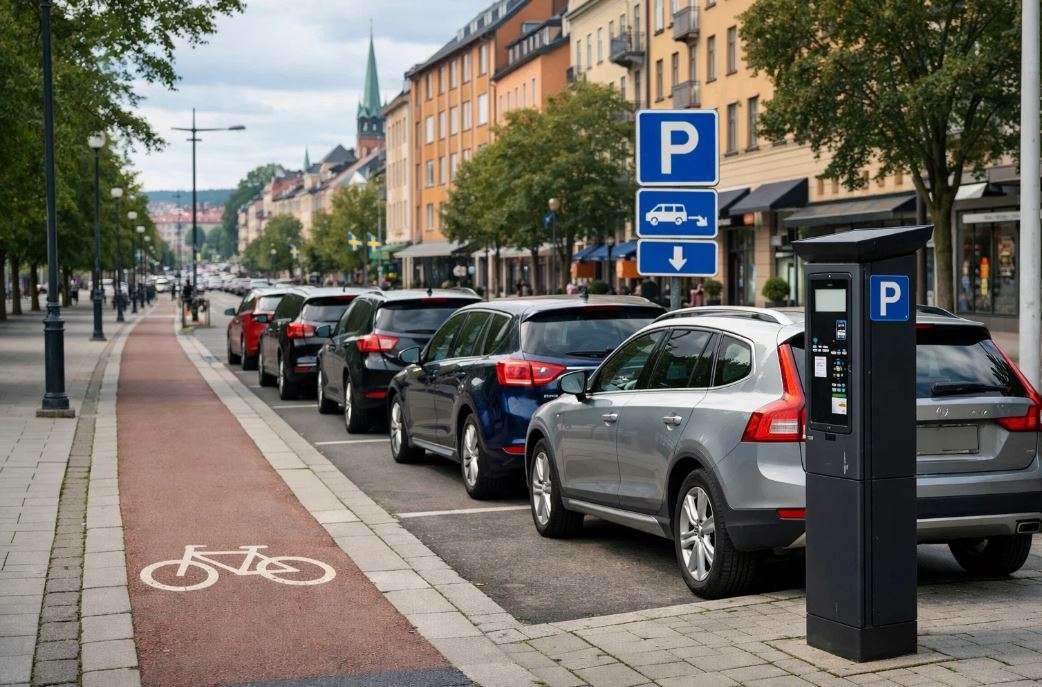
🅿️ How parking works in Sweden
In Sweden, parking often depends on the area, time of day, and day of the week. In city centers, conditions are usually stricter, while on the outskirts and near shopping areas parking is easier. Tourists benefit from the fact that most information is displayed directly on signs or in apps. Even if a place looks ordinary, the rules nearby may differ from the next street. In popular areas, it is important to understand in advance where parking is short-term and where you can leave your car for several hours. This is especially relevant in Stockholm, Gothenburg, Malmö, and resort areas during summer.
📍 Parking zones and how to read them
In Sweden, parking zones are indicated by road signs, additional plates with time limits, and specific conditions. The same spot may have different rules on weekdays, evenings, and weekends. Free parking does exist, but it is often time-limited and may require a parking disc. Paid zones are usually located in city centers, near stations, tourist streets, and busy public areas. The closer you are to active urban life, the more likely you are to see stricter time limits.
It is important for a traveler to look not only at the main parking sign but also at the smaller plates below it. These usually indicate how long you can stay, when payment is required, and whether there are exceptions for local permits. Some streets allow parking only during certain hours, while at other times restrictions apply for cleaning or service vehicles. In winter, additional seasonal rules appear due to snow removal and road maintenance. If a sign looks overloaded with information, it is better to spend a minute understanding it than later dealing with a fine.
💳 Parking payment methods
Parking in Sweden is often paid through mobile apps, and this is one of the most convenient options for travelers. In many cities, parking meters are still available, but cash is rarely used. Sometimes you can pay by card on the spot, and sometimes it is easier to enter your car number in an app and select the parking duration. This method allows you to extend your parking remotely if your plans change. For a first trip around Scandinavia, this is especially useful because you do not need to return to your car.
Before your trip, it is a good idea to check which apps are popular in the region where you plan to stay. In tourist areas and major cities everything works quickly, but in smaller towns conditions may differ. Sometimes parking starts automatically by entering a zone number, while in other cases you need to carefully select the exact location. A mistake in the license plate number or parking time can also lead to problems. That is why it is better to save confirmation and take a screenshot after payment.
🧭 How to quickly check parking before leaving your car
- Look at the main sign and all additional plates below it
- Check the hours of validity for weekdays and weekends
- Confirm whether payment or a parking disc is required
- Match the zone number in the app with the number on site
- Save your payment confirmation on your phone
⚠️ Parking fines: how much and for what
Parking fines in Sweden are issued regularly and without warnings. The system is calm but quite strict, especially in cities and transport hubs. For tourists, problems often begin when a car is left just a few minutes longer than allowed. For locals, the issue is often relying on habit and not rechecking conditions on familiar streets. The fine amount depends on the violation and municipality, but in any case it means extra expenses during your trip. It is much easier to understand the system in advance and avoid typical mistakes.
💸 Fine amounts
The amount of a fine depends on where the violation occurred and how serious it is considered. In large cities, fines feel more significant than in smaller towns, especially during a short trip. Even if the violation seems minor, the system does not usually make exceptions for tourists or lack of knowledge. Parking incorrectly near crossings, in restricted areas, or in special-use zones can be particularly costly. That is why it is better to treat parking as part of your travel budget rather than a minor detail.
It is important to understand that in Scandinavia a fine is not seen as a debatable issue but as a direct result of a violation. If the conditions were indicated on a sign, the driver was expected to read and follow them. This is why claiming unfamiliarity with the rules usually does not help. For travelers, this is a useful reminder to plan parking expenses near accommodation, stations, and city centers. This way, the trip remains comfortable and stress-free.
🚫 Common violations
The most common mistake is leaving a car where a parking sign is visible, but additional plates restrict time or conditions. Tourists also often forget that free parking may require indicating the start time with a parking disc. Another frequent situation is paying for the wrong zone in the app or entering an incorrect license plate number. Some drivers assume that a few extra minutes do not matter, but enforcement in Sweden is quite precise. Even a short overstay can result in a fine notice.
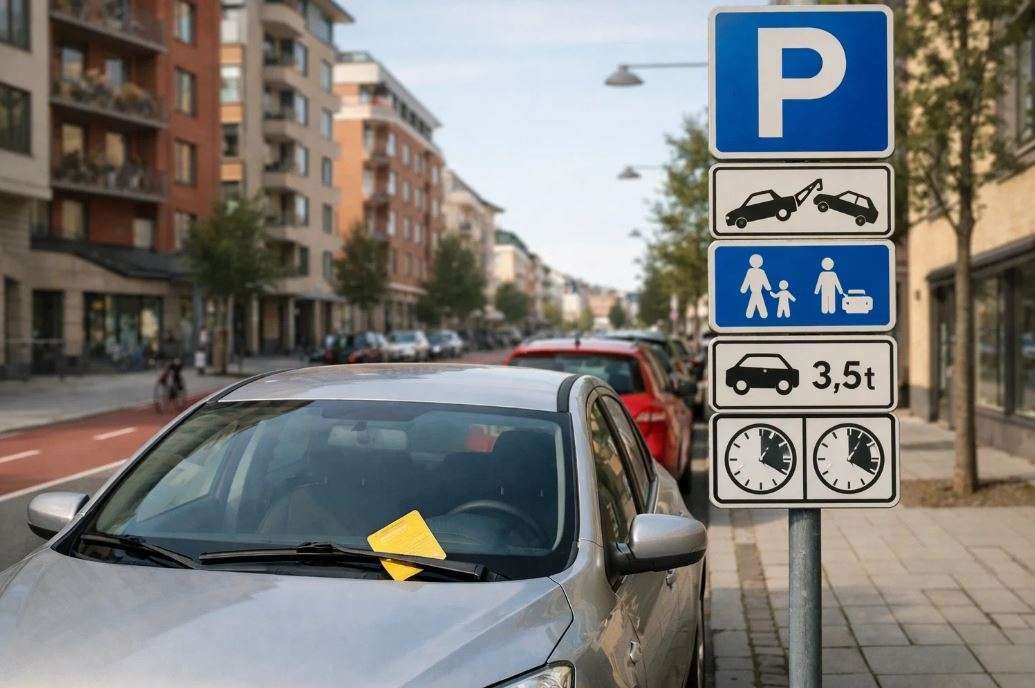
In winter, risks increase due to seasonal restrictions and snow removal zones. Residential areas may have limits on night parking or specific days of the week. In tourist locations, drivers sometimes rely on other parked cars instead of checking signs. However, the presence of other cars does not guarantee that parking is allowed. It is always safer to rely only on official information on site.
📬 How fines are issued and paid
Most often, a fine notice is placed on the car, and this is the first sign that parking was incorrect. The document usually explains the reason, the amount, and the payment process. For rental cars, this is especially important because the fine may be processed through the rental company with an additional service fee. That is why it is better to check your car before leaving and not postpone dealing with the issue until the end of your trip. The sooner you handle it, the smoother your journey continues.
If a fine has already been issued, it is better not to ignore it or assume it will disappear. In Scandinavia, such matters are handled systematically and consistently. With rental cars, an unpaid fine may later appear in your card statement or as a notice from the rental company. If you believe there was a mistake, you should keep proof of payment and all parking details. In most cases, however, careful attention before parking prevents this situation entirely.
🗺️ How to plan your trip with parking in mind
If your trip around Sweden is based on driving, parking should be considered during planning, not only upon arrival. This is especially important for a first trip to Scandinavia when you want to see cities, nature, and multiple stops along the way. In summer, it is better to choose accommodation with guaranteed parking because demand is higher. In winter, you should think not only about parking but also about accessibility, snow clearing, and maneuvering time. For different travel interests such as historic towns, coastlines, or northern routes, the parking approach will vary. The more realistically your route is planned, the less effort is spent on logistics.
🌦️ How to choose a route based on season and interests
Summer routes in Sweden are ideal for combining cities, coastlines, national parks, and scenic stops. During this period, there are more tourists, so parking near popular locations should be planned in advance. For city walks, it is convenient to leave the car outside the center and continue on foot or by public transport. If your focus is nature and quiet roads, it is easier to build a route through smaller towns and stay near key locations. This format provides more flexibility and usually reduces parking stress.
Autumn and winter trips are better suited for those who enjoy a slower pace, northern atmosphere, and fewer crowds. In colder seasons, it is important to plan with extra time because parking and driving may take longer. For a first trip to Scandinavia, it is better not to overload your itinerary with too many moves. One or two base locations often work better than constantly changing accommodation. This approach makes travel calmer and helps control parking and transport costs.
🏡 Where to stay
For a first trip, it is practical to choose accommodation not in the city center but in an area with easier parking and good transport connections. This option is often more convenient and affordable than central apartments without parking. If your goal is to explore the city, it is better to stay where you can leave your car overnight and then use trains, buses, or trams. This is especially relevant in Stockholm, Gothenburg, and Malmö. Staying outside the center helps avoid stress and saves time.
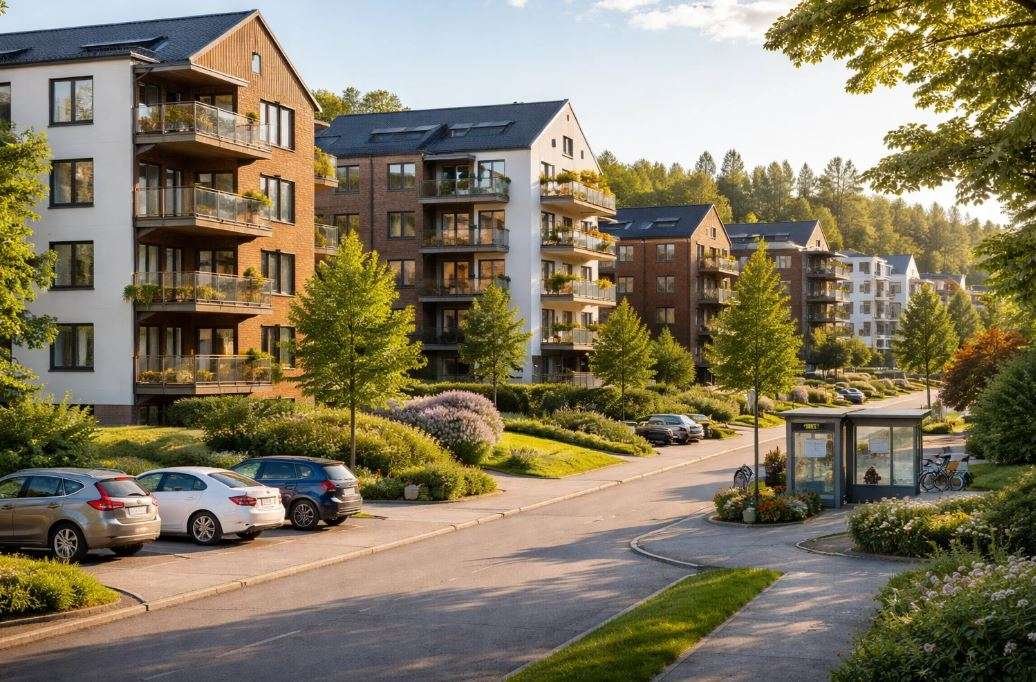
If your route focuses on nature, lakes, coastlines, or road travel between regions, it is better to choose accommodation with private parking. This makes mornings easier because you do not need to deal with new parking rules each day. For family trips, this format is particularly comfortable as the car is always accessible. For short trips, one well-chosen base is often more effective than multiple relocations. Less logistical effort means more energy for the journey itself.
⏳ How much time to allow
When heading into a city center, it is best to allow extra time for parking, especially on weekends, in summer, and during events. Even if the route looks short on the map, the final part of the journey may take longer due to searching for a space. Travelers should consider not only driving time but also time for parking, payment, and checking rules. This is especially important if you have scheduled activities such as tours, trains, ferries, or check-ins. A small buffer of time makes the entire trip more relaxed.
For northern routes, winter travel, and intercity journeys, an even larger time buffer is recommended. In smaller places, parking may be simpler, but there may be fewer alternatives if a spot is unavailable. That is why it is helpful to include a time reserve for each important stop. For a first trip to Scandinavia, it is better to plan a slightly lighter schedule than to rush. This approach helps avoid unnecessary stress and fines.
Choose accommodation with parking or near convenient public transport
In summer book early, in winter check seasonal restrictions and snow clearing
Add extra time for finding parking, payment, and reading signs
For a first trip, fewer relocations and one or two base locations work best
💡 Tips and useful hacks
The most useful tip in Sweden is never to park based on intuition if there is a sign nearby. It is always better to spend a minute checking than to deal with a fine or extra fees later. For a first trip to Scandinavia, it is especially helpful to download a parking app in advance and save your payment details. Choosing accommodation with parking, even slightly outside the center, often makes travel easier. When your route is planned according to season and interests, parking becomes much more predictable. And when your daily schedule includes a small time buffer, the trip feels more relaxed.
✅ Quick checklist before leaving your car
❓ Questions and answers
Yes, but it is usually time-limited and requires checking the signs carefully.
Unpaid parking, overstaying the allowed time, or choosing the wrong zone.
Yes, this is the most common and convenient method in Sweden.
It is more convenient to stay outside the city center with parking and good transport access.
It is best to add at least ten to fifteen minutes to your arrival time.
Yes, summer is busier and winter includes weather and seasonal restrictions.

0 comments
Log in to leave a comment