



🚋 Urban transport (SL/UL/Västtrafik/Skånetrafiken)
🚋 Urban Transport in Sweden: What Travelers Need to Know
Urban transport in Sweden is considered one of the most convenient ways to get around the country for both tourists and locals. In major cities, the system is designed to quickly connect the center, residential areas, railway stations, and airports. For a first trip to Scandinavia, this is especially helpful because routes are usually easy to understand and transfers are well organized. Public transport in Sweden not only saves time, but also helps you feel the rhythm of the city better. In Stockholm, Gothenburg, and Malmö, transport is part of everyday urban life. That is why it is often more convenient to start discovering Sweden through its city transport network rather than by car.
🚍 Why Urban Transport Is Ideal for Exploring Sweden
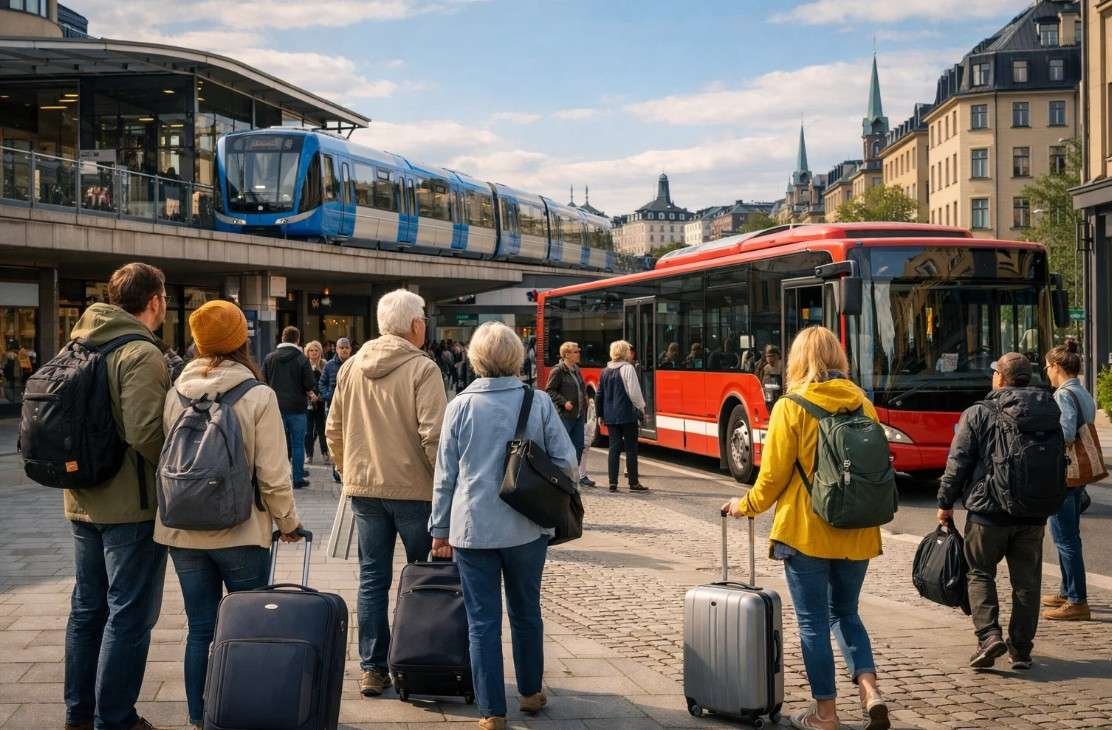
Urban transport in Sweden is a great choice for those who want to see more in a short time. It covers not only tourist attractions, but also ordinary neighborhoods where the city’s atmosphere feels more authentic. For travelers, it is a practical way to discover Sweden without spending extra money on taxis. Many routes pass through beautiful districts, waterfronts, and central streets. That means even an ordinary ride can become part of the travel experience.
This topic is also relevant for people living in Scandinavia, because it shows how daily mobility works in Swedish cities. It is interesting to compare transport habits across the Nordic countries and notice useful solutions for short city trips. Sweden is often associated with order and efficiency, and urban transport reflects that very well. It helps people plan their day calmly and without rush. Even in an unfamiliar city, it is usually easy to understand how to get where you need to go.
If someone is traveling to Scandinavia for the first time, urban transport removes part of the stress from the trip. There is no need to figure out parking, road rules, or car rental costs. It is enough to choose an area to stay in and check the routes in advance. This is especially important on trips of two or three days, when you want to see as much as possible without overload. That is why an article about transport can be not only useful, but also inspiring for a future journey.
🚇 Main Types of Urban Transport
In Swedish cities, the transport system is designed so that everyone can choose the most convenient way to travel. The metro is especially important in Stockholm, where it quickly connects different parts of the city. Trams play a major role in Gothenburg and help people move comfortably through central districts. Buses complement the network and cover routes that rail lines do not reach. In coastal areas and on islands, ferries are also useful. This combination makes urban transport in Sweden flexible and convenient in every season.
🚋 Metro, Trams, Buses, and Ferries
The metro in Stockholm is convenient for longer city journeys and for fast connections between neighborhoods. Tourists like that stations are often located close to major attractions. During rush hour, the metro can save a lot of time. It is especially useful in winter, when you want to spend less time outdoors. For a first introduction to the capital, it is one of the most practical forms of transport.
Trams are most strongly associated with Gothenburg and create a very clear urban rhythm. They are ideal for relaxed rides through the center and nearby districts. Many routes go through interesting city spaces and lively streets. This makes the trip not only useful, but also visually enjoyable. For those who like to watch the city through the window, the tram is especially appealing.
Buses remain the most universal solution because they help you reach almost any part of the city. Ferries add a special mood to the journey and are helpful where water is part of the city’s transport logic. In some cases, a ferry ride can be both transport and a small sightseeing trip at the same time. This is especially true in summer and in good weather. That is why it is best to understand in advance which format matches your route and interests.
🎫 Tickets and Transport Cards
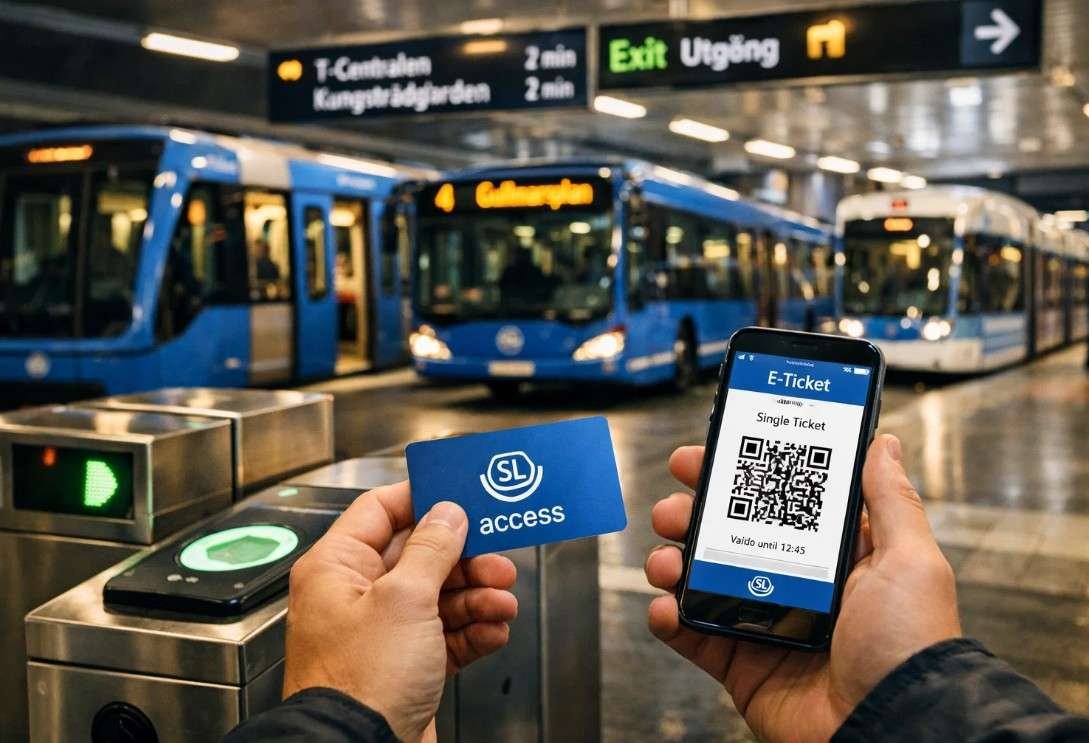
Understanding the fare system in Sweden is usually easier than it seems before the trip. In many cities, the same ticket works across different forms of urban transport. This is convenient because one ticket may be valid for the metro, bus, and tram. Transport cards and mobile apps are especially useful for tourists, as they help save time on the spot. In many cases, contactless payment is also available. The better a reader understands tickets in advance, the calmer and smoother the first experience in the city will be.
📱 How to Pay for Transport in Swedish Cities
In major Swedish cities, the most convenient option is usually to use official transport apps. Through them, you can buy a ticket in advance and immediately see the current travel conditions. This format is especially useful for people who do not want to look for ticket machines at the station. Apps often also help you quickly plan a route with transfers. For the modern traveler, this is one of the most convenient scenarios.
Transport cards are a good option for those staying in the city for several days and planning to move around actively. They reduce the need to buy tickets repeatedly and make travel more relaxed. In some cases, it is more выгодно to buy a day pass or a multi-day ticket right away. This works well for a busy city program without strict time limits. It is a common choice for tourists who want to see as much as possible in a short trip.
Contactless payment is also becoming a familiar part of urban mobility in Sweden. Still, it is best to check in advance which payment format works in the specific city you are visiting. It is also useful to confirm whether transfers are included and how long the ticket remains valid. This helps avoid unnecessary spending and last-minute stress. For a first trip to Scandinavia, such a practical approach is especially important.
A single ticket or a short city pass may be enough
A multi-day ticket or transport card is usually more convenient
It is convenient to use a mobile app and check routes in advance
🌦 How to Choose Routes by Season and Interests
The same city in Sweden can feel very different depending on the season. That is why it is better to choose your route not only by attractions, but also by the time of year. In winter, speed and the comfort of sheltered transfers usually matter most, while in summer people often prefer panoramic rides and more walking. Those who enjoy museums and architecture should focus on central lines with frequent stops near cultural landmarks. Those who want waterfront views and a maritime atmosphere should include ferries and surface routes. This approach makes a trip to Scandinavia more personal and memorable.
❄️ Winter, Summer, and the In-Between Seasons
In winter, it is especially convenient to build your route around the metro and buses so you depend less on the weather. This helps save energy and move faster between different areas. For a short winter trip, it is better to choose a compact plan without too many stops. If the city is new and unfamiliar, it is easier to rely on central stations and simple transfers. This keeps the journey comfortable even with a full schedule.
In summer, routes can be more visual and relaxed. Trams, ferries, and longer walks between stops work very well for discovering the city in daylight. At that time of year, it is easy to combine transport and walking without feeling rushed. Summer urban transport in Sweden often becomes part of the travel experience itself. This is especially noticeable in waterfront districts and open urban spaces.
In the shoulder seasons, it is better to focus on flexibility and avoid overloading your daily plan. It is useful to look in advance at which neighborhoods are most convenient to combine in one trip. If you are interested in cafés, design, museums, and calm city quarters, it is worth choosing the center and nearby areas. If you want more local atmosphere, you can add residential neighborhoods beyond the classic tourist core. This kind of route choice makes a trip to Sweden both richer and more comfortable.
📍 Where to Base Yourself for Easy Travel Around the City
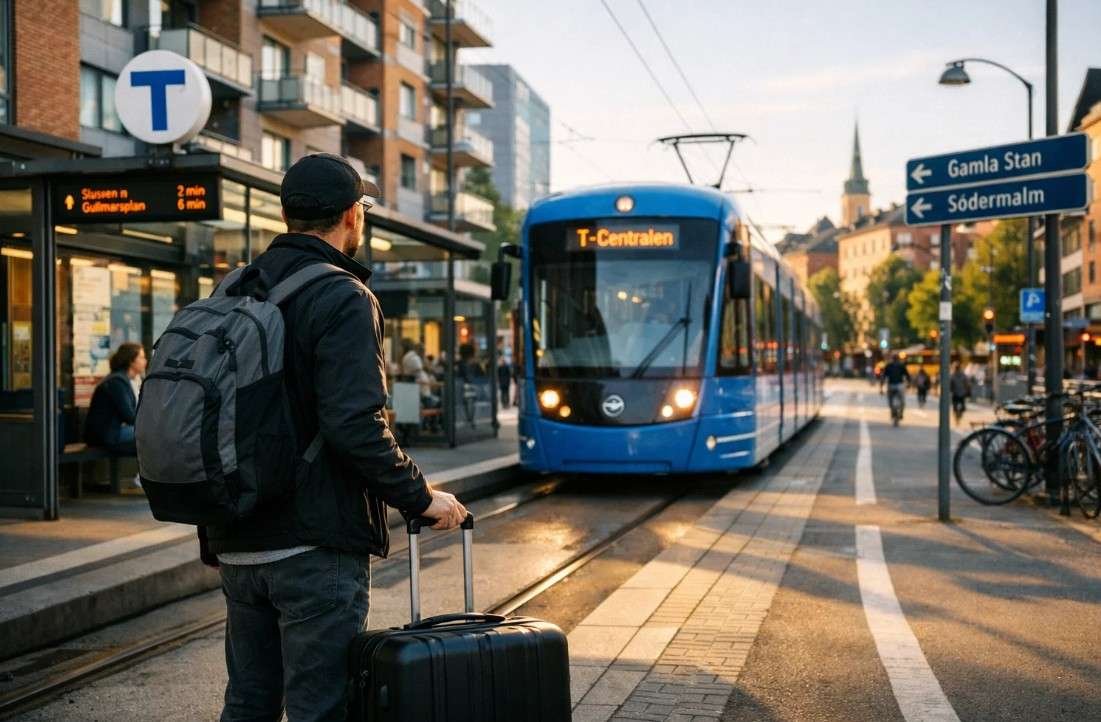
The area where you stay greatly affects how comfortable your trip around a Swedish city will be. For a first visit, it is better not to focus only on a low price, but also on transport accessibility. Accommodation near a metro station, tram line, or major bus hub can save a lot of time. This is especially important if the trip is short and you want to see more. A good base makes it easier to return in the evening and plan your morning calmly. For travel in Scandinavia, this choice makes the city feel much more welcoming.
🏙 Best Areas Near Transport Hubs
Central districts are a good choice for those who want to stay close to main streets, museums, and railway stations. This is convenient for a first introduction to Sweden and for short trips of one or two days. From there, it is easy to plan routes to different parts of the city without long transfers. The downside may be a higher cost of accommodation. Still, for a compact trip, this is often a worthwhile choice.
Areas near metro stations or major tram lines are often the best compromise between price and convenience. They allow you to stay in a calmer area without losing quick access to the center. This format is especially convenient for tourists who prefer returning to a quieter part of the city in the evening. The ride to the center remains quick and easy to understand. For practical travel, this is a very strong option.
If you are planning regional trips, it is worth looking for accommodation near railway stations or major interchange hubs. This helps combine city transport and suburban travel without extra logistics. This choice is especially useful in Stockholm, Gothenburg, and Malmö. It makes the trip more flexible and opens up more possibilities for each day. That is why your base should be chosen not randomly, but according to the rhythm of your future route.
- For a first visit, it is best to look for accommodation near the metro, tram, or railway station
- For a short trip, areas with quick access to the city center are the most convenient
- For a calmer pace, residential districts near major transport lines work well
- For city and regional trips, areas near major interchange hubs are especially practical
⏱ How Much Time to Allow for Getting Around
Even a well-organized urban transport system still requires a reasonable time buffer. In Sweden, things usually run very efficiently, but a comfortable trip still depends on a realistic plan. If the route is overloaded, the journey starts to feel rushed and tiring. It is better to understand in advance how many districts are really worth including in one day. For a first visit to Scandinavia, it is especially important not to try to see everything at once. A small time buffer makes the trip calmer and more enjoyable.
🗓 Planning Routes Around the City
If you only have one day, it is best to focus on the center and one or two neighboring districts. This pace allows you not to rush and still see the city’s main highlights. It is more convenient to choose simple routes with as few transfers as possible. This is especially important if the trip takes place in winter or with luggage. One day in the city should feel like an introduction, not a race.
With two or three days, you can plan a much deeper city experience. There is time for different districts, local places, waterfronts, and less obvious routes. In this format, urban transport shows its full value. You can comfortably combine the metro, bus, tram, and walking. This is a great format for those who want to feel the city rather than just tick off the main landmarks.
If the trip lasts four or five days, it is worth adding suburban ideas and a more relaxed rhythm. You then have the opportunity to see how transport connects not only the center, but also the wider urban environment. This format is especially good for a repeat visit or for travelers who enjoy observing city life. It is important to leave time for spontaneous stops and small changes of plan. That is often when a trip around Sweden becomes especially vivid and memorable.
💡 Useful Tips for Tourists
Practical details often shape a trip just as much as the route itself. Before heading out, it is helpful to check the schedule and possible service changes. For a busy day, it is useful to understand in advance which neighborhoods are best combined into one route. Day passes and multi-day tickets usually make travel calmer and easier to manage. During rush hour, it is wise to allow a little extra time for boarding and transfers. The simpler your plan is, the more enjoyable urban transport in Sweden will feel.
📌 What to Do Before Your First Ride
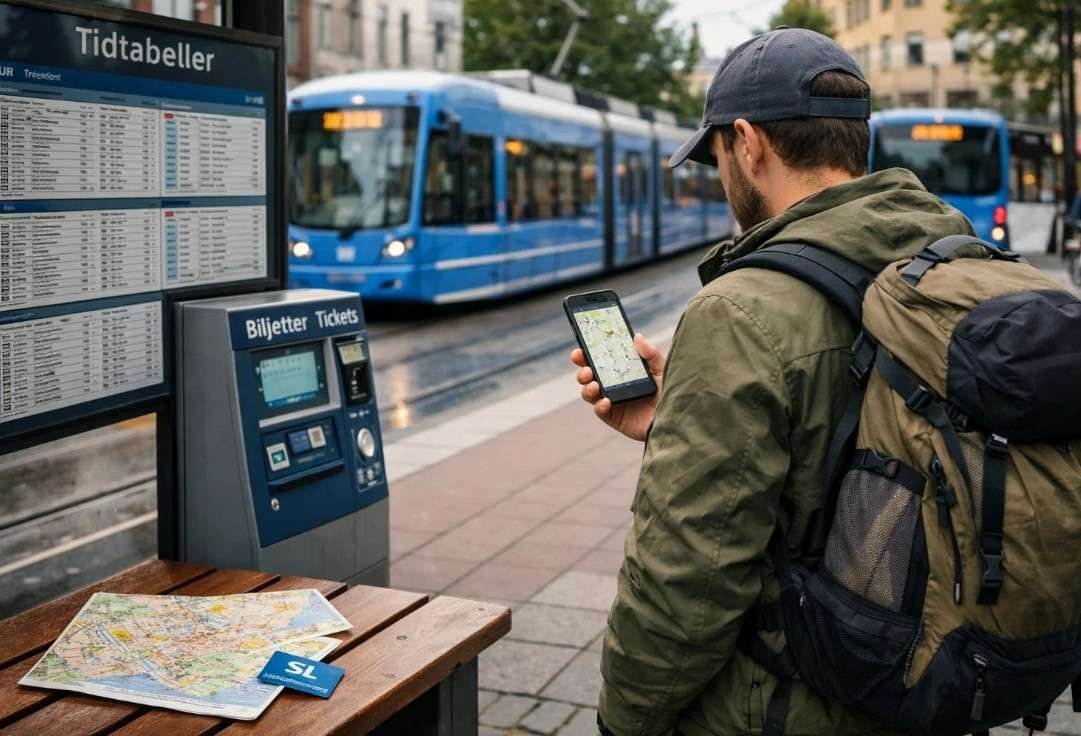
It is best to download the transport app for the city in advance and see how route planning works in it. This helps you feel more confident from the first day. It is also useful to save the name of the stop closest to your accommodation. Then getting back in the evening will be easier and calmer. Even a few minutes of preparation noticeably improve the overall experience.
Before buying a ticket, it is worth understanding how many rides you actually plan to take during the day. Sometimes tourists choose too limited an option and end up paying more later. It is much more convenient when the payment format matches the rhythm of the trip. This is especially important in larger cities, where several transfers in one day are common. A practical approach saves not only money, but also attention.
One more tip relates to the overall pace of traveling in Scandinavia. It is better not to overload the day with too many distant points. It is more rewarding to see less, but experience the city without stress. Urban transport in Sweden works especially well with a calm and logical route. That style of travel usually leaves the best impression.
❓ Questions and Answers
Yes. English is available in navigation and apps.
Metro, trams, and buses.
Near a metro station or tram line.
Usually 2–3 days.
Yes, it is simple and convenient.

0 comments
Log in to leave a comment