



🚉 Västtrafik: zones A/B/C
🚋 How the Västtrafik Transport System Works
Västtrafik is the unified public transport system in western Sweden that connects buses, trams, regional trains, and ferries. It operates across the entire Västra Götaland region and makes traveling between cities and natural areas very convenient. The system is based on a zone-based fare model where the region is divided into zones A, B, and C. Passengers only pay for the zones their journey passes through. This makes ticket prices easy to understand and helps travelers plan their transport budget in advance. Once you understand how the zones work, using Västtrafik becomes simple and comfortable even on your first trip.
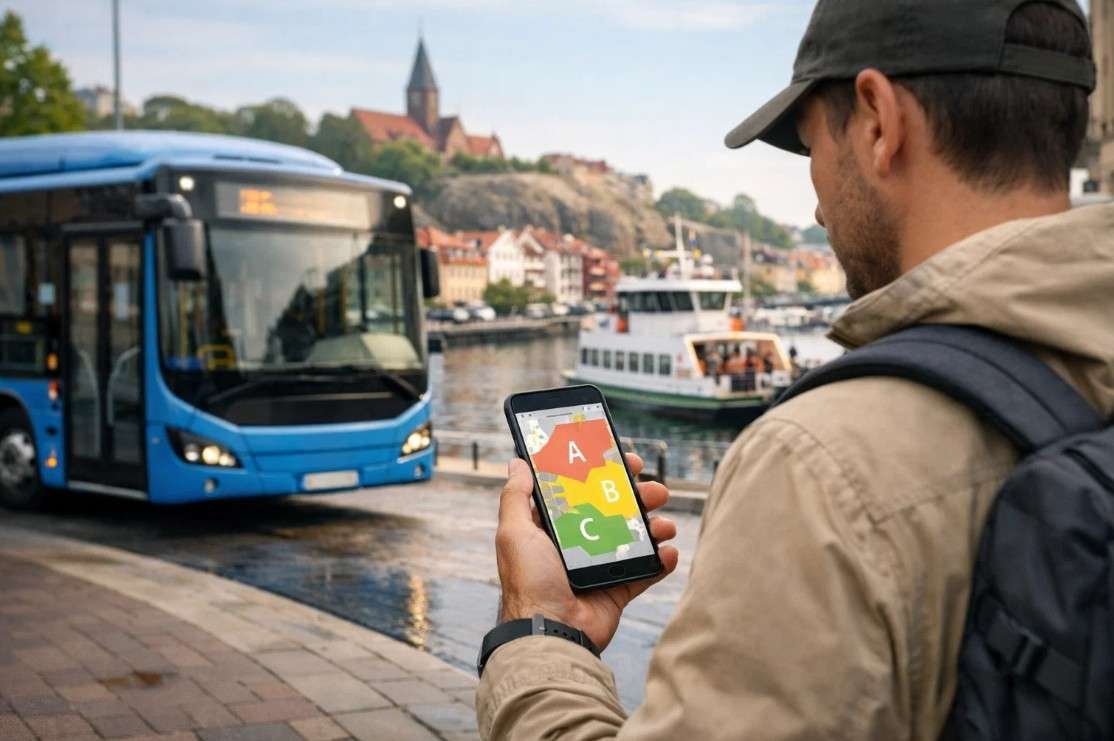
🗺️ What Zones A, B, and C Mean
The Västtrafik zone system simplifies ticket pricing and makes the regional transport network easier to understand. Instead of complex fares, the system uses geographic zones. Each journey is priced based on how many zones your route crosses. This makes the system transparent and convenient for passengers. Tourists can easily understand which ticket they need before traveling. As a result, planning routes becomes much simpler.
🚉 Zone A — Gothenburg and City Routes
Zone A covers Gothenburg and its immediate surrounding areas. Most of the city’s attractions and popular tourist routes are located here. The majority of the tram network operates within this zone. Many city buses also run through Zone A. For a short trip or a weekend visit, Zone A usually covers everything travelers need. That is why most visitors mainly use this zone.
Within Zone A it is easy to travel between museums, waterfront areas, and city districts. Many hotels and tourist neighborhoods are also located here. Thanks to the extensive transport network, journeys are usually short. This makes exploring the city comfortable and efficient. Even in one day you can see several different neighborhoods. That is why Zone A forms the core of the local transport system.
🚍 Zone B — Towns Around Gothenburg
Zone B connects Gothenburg with nearby towns and suburbs. It includes communities located around the capital of the Västra Götaland region. Many local residents commute daily between Zones A and B. For tourists, this zone opens new destinations outside the city center. It is a good option for half-day trips. Especially if you want to see more nature or quieter towns.
Traveling in Zone B offers a chance to experience a different side of the region. There are fewer tourists and more authentic local life. Small towns often feature charming streets and scenic landscapes. Because of this, many travelers include these places in their itinerary. Such trips add variety to a journey. Zone B expands the region available to explore.
🚆 Zone C — Longer Trips Across the Region
Zone C includes the more distant areas of western Sweden. It is used for longer journeys across the Västra Götaland region. These trips allow visitors to discover more cities and natural landscapes. They are often planned as day trips from Gothenburg. For travelers, this zone provides a deeper introduction to the region. Especially if the visit lasts several days.
Regional trains and long-distance buses operate within Zone C. This keeps transport convenient even across larger distances. Many travelers use this zone to reach coastal towns or historic destinations. These routes take more time but offer unique experiences. They reveal the diversity of western Sweden. For that reason, Zone C greatly expands travel possibilities.
How Västtrafik zones work
- Zone A — Gothenburg and city transport
- Zone B — towns around Gothenburg
- Zone C — longer regional trips
🎫 How to Choose the Right Ticket
Choosing a ticket depends on your route and how many trips you plan during the day. Västtrafik offers single tickets, day tickets, and multi-day travel passes. Tourists most often use day tickets. They allow unlimited travel within the selected zones. This is convenient for active sightseeing and transfers. It saves time and makes traveling easier.
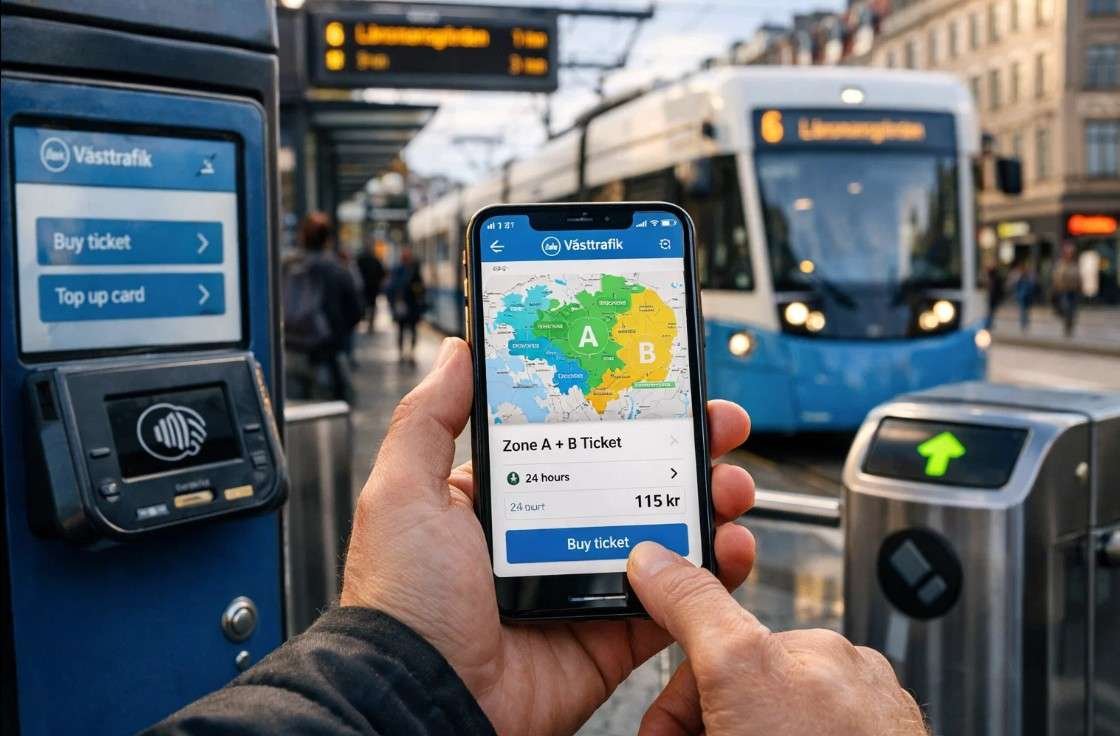
📱 Single Ticket, Day Ticket, or Travel Pass
A single ticket works well for a short journey. It is useful if you plan one or two trips during the day. Local residents often use this option. For tourists it can be less practical. Especially if several stops are planned.
A day ticket provides more flexibility. It allows unlimited travel within selected zones. This works well for a busy sightseeing schedule. Many travelers choose this option while exploring the city.
Multi-day tickets are ideal for longer stays. They remove the need to buy tickets repeatedly. This makes the trip more relaxed. Especially if you plan to explore different areas. It is one of the most comfortable options for visitors.
🧭 How to Know How Many Zones You Need
The easiest way is to plan your travel stops first. Then it becomes clear which zones the route crosses. If the trip stays within Gothenburg, Zone A is usually enough. If you travel outside the city, Zone B may be required. For longer trips, Zone C is used.
Planning ahead helps avoid unnecessary expenses. Sometimes travelers buy tickets for more zones than needed. Checking the route beforehand prevents this. It only takes a few minutes. But it makes the trip smoother.
For your first trip it helps to plan routes day by day. This makes it easier to understand which zones are required. It also reduces mistakes when buying tickets. This approach is especially useful for beginners. It makes travel much more comfortable.
🌦️ Choosing Routes by Season and Interests
Western Sweden changes a lot depending on the season. In summer many people travel to the sea and nearby islands. During autumn and spring travelers explore towns and nature. In winter cultural routes and museums become more popular. The season affects the length of trips and zone choices. That is why it should be considered when planning.
☀️ Summer: Archipelago and Coast
Summer is perfect for visiting the sea. Many travelers explore the Gothenburg archipelago islands. There you can walk, relax by the water, and enjoy nature. These trips combine easily with city sightseeing. It is one of the most popular summer routes.
Coastal trips are also very popular. Traveling becomes part of the experience itself. Tram rides, buses, and ferries create a real Scandinavian travel atmosphere.
In summer it is good to allow time for spontaneous stops. Sometimes the most interesting places appear along the route. Try not to overload the day with too many locations. It is better to enjoy the journey itself.
archipelago and coast
cities and nature
museums and city routes
🏨 Where Travelers Should Base Themselves
Choosing the right base strongly affects the comfort of your trip. The easiest option is staying in Gothenburg. The city is the main transport hub of the region. From here it is easy to reach many destinations. This is especially convenient without a car. That is why most visitors stay here.
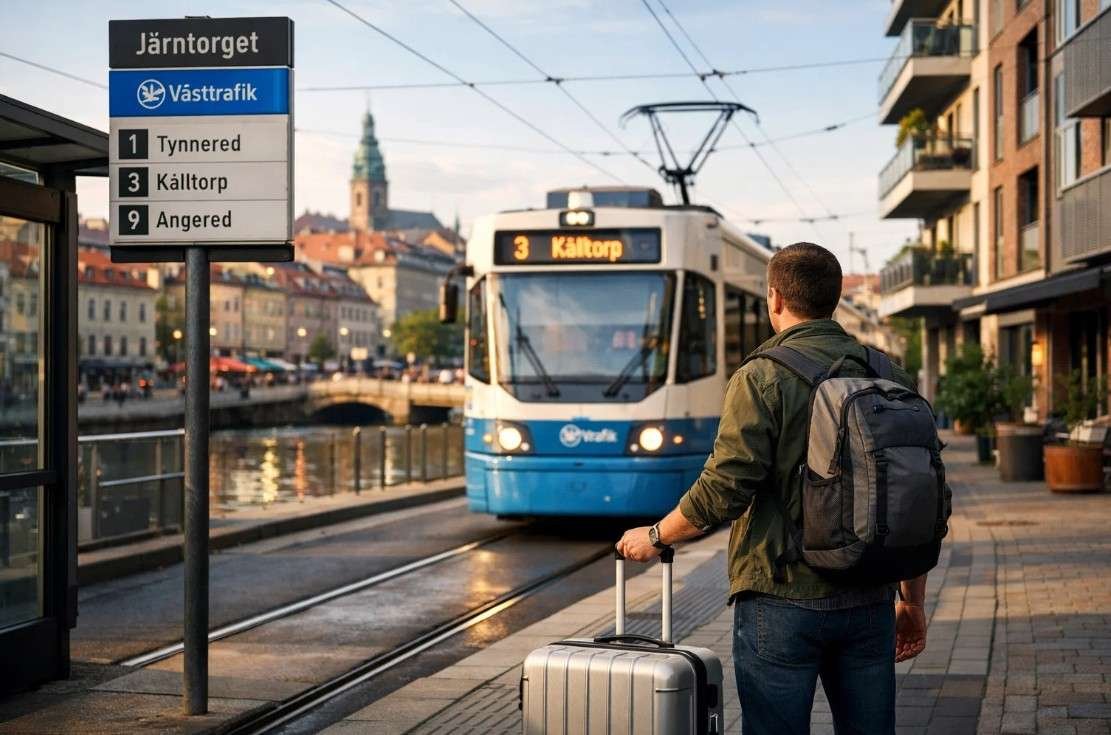
🌆 Staying in Gothenburg
Gothenburg is the ideal starting point for exploring western Sweden. The city has an excellent public transport network. From here you can easily reach coastal towns and nearby cities. This allows travelers to combine different routes.
Staying in the city center simplifies travel. Most attractions are nearby. It saves time on transportation. This makes the itinerary more convenient.
Gothenburg also offers flexibility in planning. If the weather changes, plans can change too. For example, you can swap an island trip for museums.
🌲 Staying Outside the City
Some travelers prefer staying in smaller towns. This option suits those looking for a slower pace. It allows visitors to experience the local atmosphere.
Living outside Gothenburg creates a calmer travel style. There are fewer tourists and more authentic daily life.
However, transport connections should be considered. Sometimes travel times may be longer. Planning routes in advance helps avoid difficulties.
⏳ How Much Time to Plan for Trips
The length of your trip influences your route choices. One day is usually enough for the city. Several days allow deeper exploration. That means using more zones. This creates a richer travel experience.
🕐 Trips of 1–3 Days
If you only have one day, focus on Gothenburg. You can explore the city center and waterfront. This gives a strong first impression.
With two or three days, more options open up. You can add a trip outside the city. For example, to nearby islands or towns.
It is important not to overload the itinerary. Leave time for walking and exploring. Sometimes the best moments are unplanned.
Gothenburg city center
city and nearby trips
exploring the whole region
💡 Useful Tips for First-Time Travelers
Planning your first trip in western Sweden is easier with a calm approach. Understanding the zone structure in advance helps avoid confusion. It also simplifies ticket purchases.
✅ Practical Tips
Start with simple routes. Do not try to visit too many places in one day. Exploring a few areas calmly is more enjoyable.
Leave time for walking and spontaneous discoveries. Some of the best places appear unexpectedly.
Also consider the weather. Scandinavian weather can change quickly. Having a backup plan helps keep the trip comfortable.
❓ Questions and Answers
Yes, for a first visit to Gothenburg it is usually enough.
When you travel outside the city.
Staying in Gothenburg is the most convenient option.
Two or three days is a good start.
Every season is interesting, but summer offers the most diverse routes.

0 comments
Log in to leave a comment