



❄️ Winter tyres & studs
Winter tires and studded tires in Sweden are a topic that matters not only for locals but also for tourists planning a trip around Scandinavia by car. In winter, a lot depends not only on the route but also on how well the vehicle is prepared. For a first trip, it is especially important to understand where roads will be easier and where you should expect ice, snow, and wind. Some travelers choose southern Sweden for cities and milder winters, while others go north for true Arctic atmosphere and northern lights. That is why topics like winter tires Sweden, studded tires, winter driving, and car rental in winter become part of proper planning. This article helps you quickly understand the rules, choose a comfortable base, adapt to the season, and plan realistic travel time.
🚗 Winter tire rules in Sweden
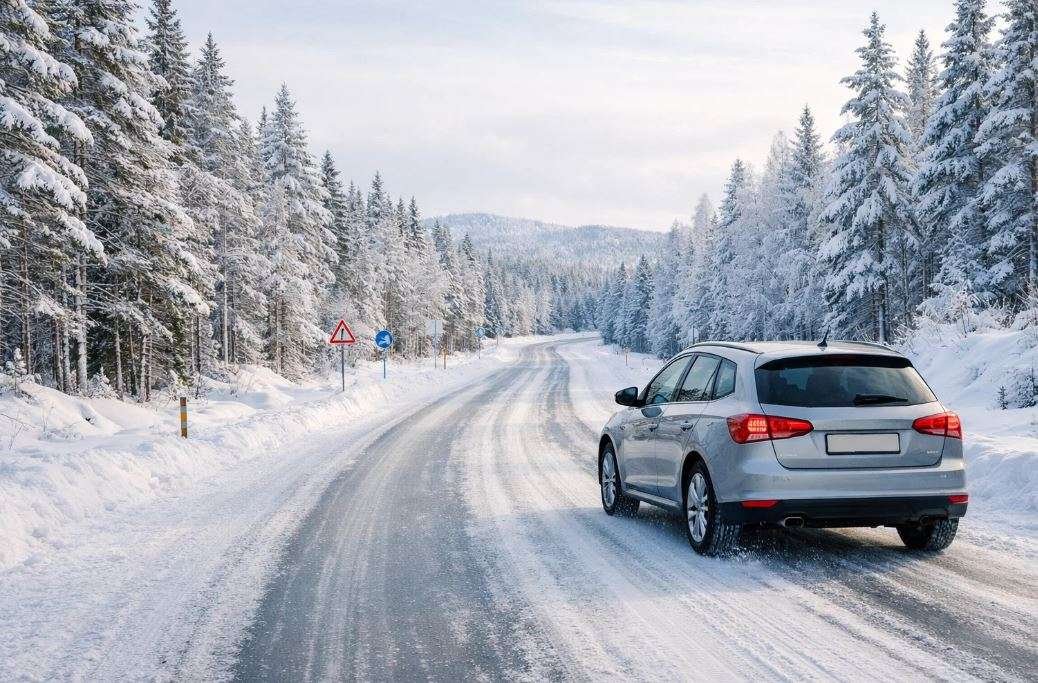
In Sweden, winter road conditions are taken very seriously, so tire requirements are about safety rather than formality. This is especially important for tourists planning to rent a car or travel between regions. Even if city roads seem clear, conditions outside urban areas can change quickly due to snow, ice, and wind. Before the trip, it helps to understand when winter tires are required, what tread depth is needed, and how friction tires differ from studded ones. This knowledge not only helps follow the rules but also makes route planning easier and more confident. For a first winter trip in Scandinavia, it is better to focus on comfort, predictability, and shorter distances.
📅 When winter tires are mandatory
During the winter season in Sweden, using appropriate tires becomes an essential part of safe driving. This is especially relevant for trips from late autumn to early spring. In practice, it is important to consider not only the calendar but also actual weather conditions. In northern regions, winter arrives earlier and lasts longer than in the south. Therefore, the same route may require different preparation depending on the month.
If you travel to Stockholm, Uppsala, or Gothenburg, winter conditions may be milder, but you still need to be prepared for slippery roads. For trips to Dalarna, Jämtland, Kiruna, or Abisko, tire requirements become even more important. Tourists should always check what type of tires are provided with a rental car and whether there are restrictions for snowy regions. When planning a seasonal route, it is easier to focus on one region instead of covering too much ground. For a first winter trip, it is best to choose routes along main roads and between larger towns.
⚙️ Tire requirements
Besides timing, technical characteristics of the tires also matter. In Sweden, winter tires must provide stability on snow, slush, and ice. This applies both to personal and rental vehicles. Tourists do not need to know every technical detail, but basic requirements are helpful. This makes it easier to compare rental options in different cities.
Friction tires are suitable for calm routes, cities, and southern regions. Studded tires are more common in the north, rural roads, and icy conditions. Tread condition is also important because it directly affects grip and braking distance. For shorter trips, it is more convenient to stay in one location and make day trips instead of moving constantly. This reduces fatigue and helps adapt to winter driving. A slower pace makes the entire trip more enjoyable.
🧊 What to check before a winter trip
- Check what type of tires the car has
- Make sure the route is suitable for winter beginners
- Compare southern and northern Sweden conditions
- Allow extra time for driving and stops
🧊 Studded tires: when and why
Studded tires in Sweden are considered a practical solution for specific winter conditions rather than a universal option. For tourists, the choice depends on region, trip length, and road types. If your route includes northern areas, small towns, and nature trips, studded tires provide more confidence. If your trip focuses on cities and main southern roads, friction tires may be enough. It is important to think not only about destinations but also about how you move between them. A good winter route is not the longest one, but the most comfortable and realistic.
🌌 Advantages of studded tires
Studded tires are especially useful on icy roads. This is common in northern Sweden, inland regions, and rural areas. For beginners, extra traction can make a big difference. Cars with studded tires handle ice and packed snow better. This adds confidence when driving in unfamiliar winter conditions.
Studded tires are ideal for routes that include winter activities and early departures. Roads near ski resorts, Arctic hotels, or scenic viewpoints can be more slippery than expected. In such cases, it is better to choose one base location and explore nearby areas instead of rushing. A 5–7 day trip works well for this style. It allows time to enjoy the experience instead of focusing only on driving. Winter travel should feel calm, not rushed.
⚠️ Limitations and nuances
Despite their advantages, studded tires are not ideal for every situation. In cities, they can be noisier and less necessary on cleared roads. Some areas may also have local restrictions or regulations. That is why it is important to understand your route before choosing tires. The more urban and compact the trip, the less need there is for studded tires.
If your trip focuses on cities, museums, and short trips, it may be better to rely less on driving. Combining walking and public transport can reduce stress. In southern Sweden, a 3–5 day trip with a single base works very well. In the north, it is better to allow more time because distances feel longer. The key is choosing tires based on real conditions, not assumptions.
🗺️ How to choose a winter route
A winter route in Sweden should be based on season, driving experience, and personal interests rather than distance. The same trip can look completely different depending on your goals. Some travelers prefer cities, cafés, and Christmas markets, while others want snow-covered forests and northern lights. It is important to decide early whether you want a soft urban winter or a stronger Arctic experience. This choice affects tires, accommodation, timing, and route planning. For a first visit, it is better to focus on one style of travel. This makes the trip more enjoyable and less stressful.
🌌 Northern vs southern Sweden
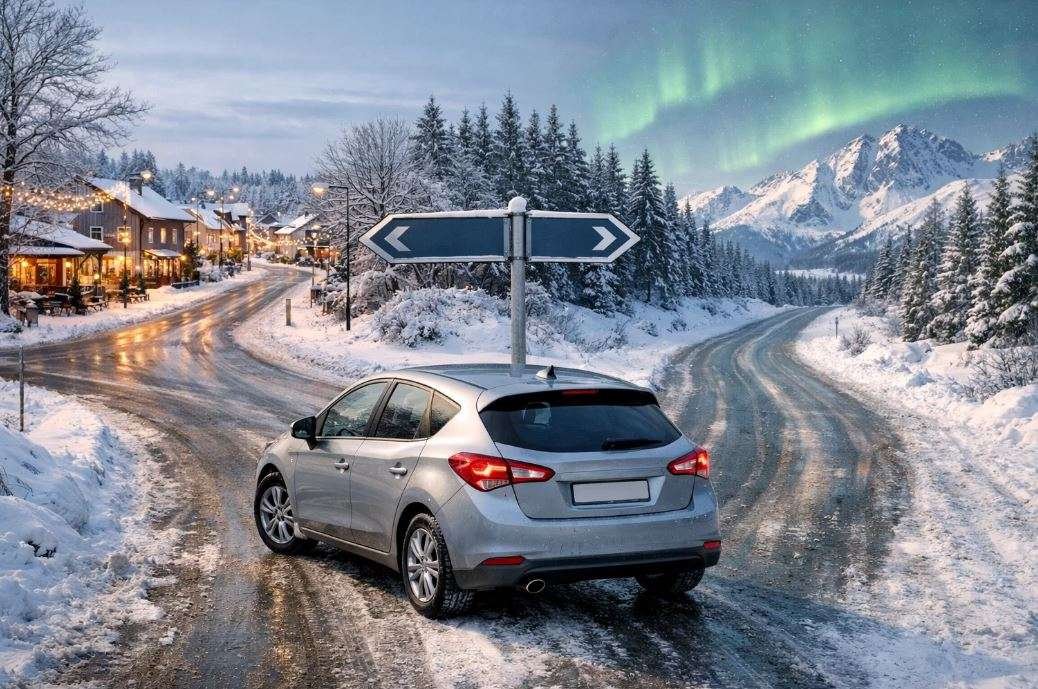
Southern Sweden is ideal for milder conditions and easier logistics. It allows a mix of city life and comfortable travel. Northern Sweden offers a more intense winter experience with snow, space, and nature. However, it also requires more preparation and time. Choosing between north and south should depend on both interest and experience.
For a first trip, the south is often easier and more flexible. The north is better for those seeking nature and winter activities. Southern routes can fit into shorter trips with fewer long drives. Northern routes usually require at least a week. This helps avoid rushing and allows deeper exploration.
🚘 Types of routes
City-based routes are ideal for exploring Stockholm, Gothenburg, or Malmö with minimal driving stress. Nature-focused routes rely more on a car and require careful planning. In these cases, winter tires and extra time are essential. A good winter route supports relaxation rather than creating pressure.
If your goal is landscapes and northern lights, it is better to stay longer in one region. If you prefer cities, choose a central base and take short trips. For first-time travelers, simple logistics are key. Staying in one place for several nights reduces stress and improves comfort. This approach works especially well in winter.
🏨 Where to base yourself in winter
Choosing the right base in winter affects the entire travel experience. A good base reduces stress, simplifies logistics, and makes the trip more enjoyable. For first-time visitors, this is especially important. It is better to stay in one place and explore nearby areas rather than move constantly. Cities offer flexibility, while nature locations offer immersion. The simpler the setup, the more enjoyable the journey. Winter travel rewards a slower and more thoughtful approach.
🏙️ Cities
City bases provide convenience, transport options, and flexibility. They are ideal for combining driving with rest days. This helps reduce fatigue and adapt to winter conditions. Cities also offer backup plans for bad weather. This makes them perfect for first-time visitors.
Stockholm is great for combining city life with short trips. Malmö works well for southern routes. Gothenburg offers access to the west coast. A 3–5 day stay works well in cities. This format keeps the trip relaxed and manageable.
🏔️ Nature regions
Nature-based trips are ideal for snow, silence, and winter landscapes. They offer a deeper experience but require more planning. Weather can be more demanding, and distances feel longer. Staying several nights in one place is the best approach. This avoids unnecessary movement and stress.
For northern Sweden, 5–7 days is often the minimum. This allows time to enjoy the environment rather than rush through it. A slower pace makes the experience richer and more memorable. Nature travel in winter is about immersion, not speed.
⏳ How much time to plan
The length of a winter trip in Sweden depends on your goals and travel style. Winter driving requires more attention, so schedules should be more relaxed. First-time travelers should always allow extra time. This is especially important for northern routes and nature trips. An extra day can improve comfort significantly. Winter travel is about balance, not speed.
📆 Short trip 3–5 days
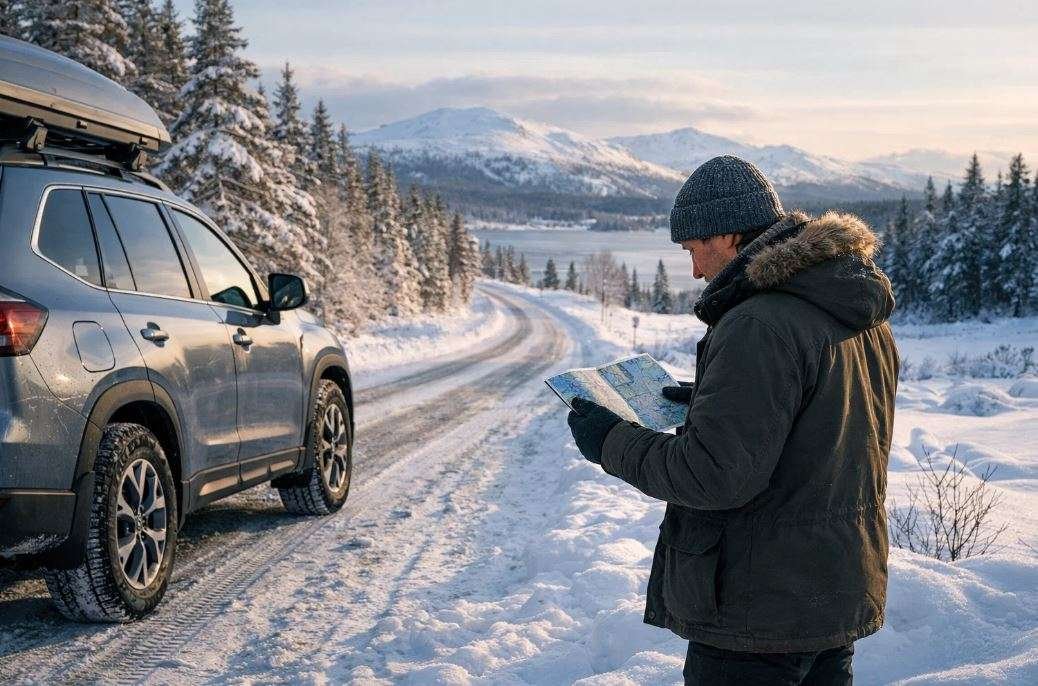
A short trip works best in one region or city. It allows you to see key places without rushing. Southern and central Sweden are ideal for this format. It is perfect for a first winter experience.
Staying in one place is more convenient than changing hotels. It reduces stress and simplifies planning. This format helps beginners feel more confident. It also makes driving conditions easier to manage.
🧭 Extended trip 7–10 days
A longer trip allows more variety and flexibility. You can include nature, cities, and longer routes. However, it is still important not to overload the schedule. Winter travel benefits from a slower pace.
This format works well for northern Sweden. It allows time for both driving and relaxing. A balanced plan improves the overall experience. It turns the trip into a real journey rather than a checklist.
🕒 Choosing the right format
One city or region, short trips, relaxed pace
More nature, northern routes, balanced travel and rest
❓ Questions and answers
Yes, they are required for safety and legal compliance in winter.
Yes, especially for northern or icy routes.
Southern Sweden is usually easier for beginners.
Choose one base and explore nearby areas.
3–5 days for a short trip, 7–10 days for a full experience.
No, if you prepare properly and drive carefully.
Fewer drives and a calmer pace.

0 comments
Log in to leave a comment